
Last updated November 16, 2026
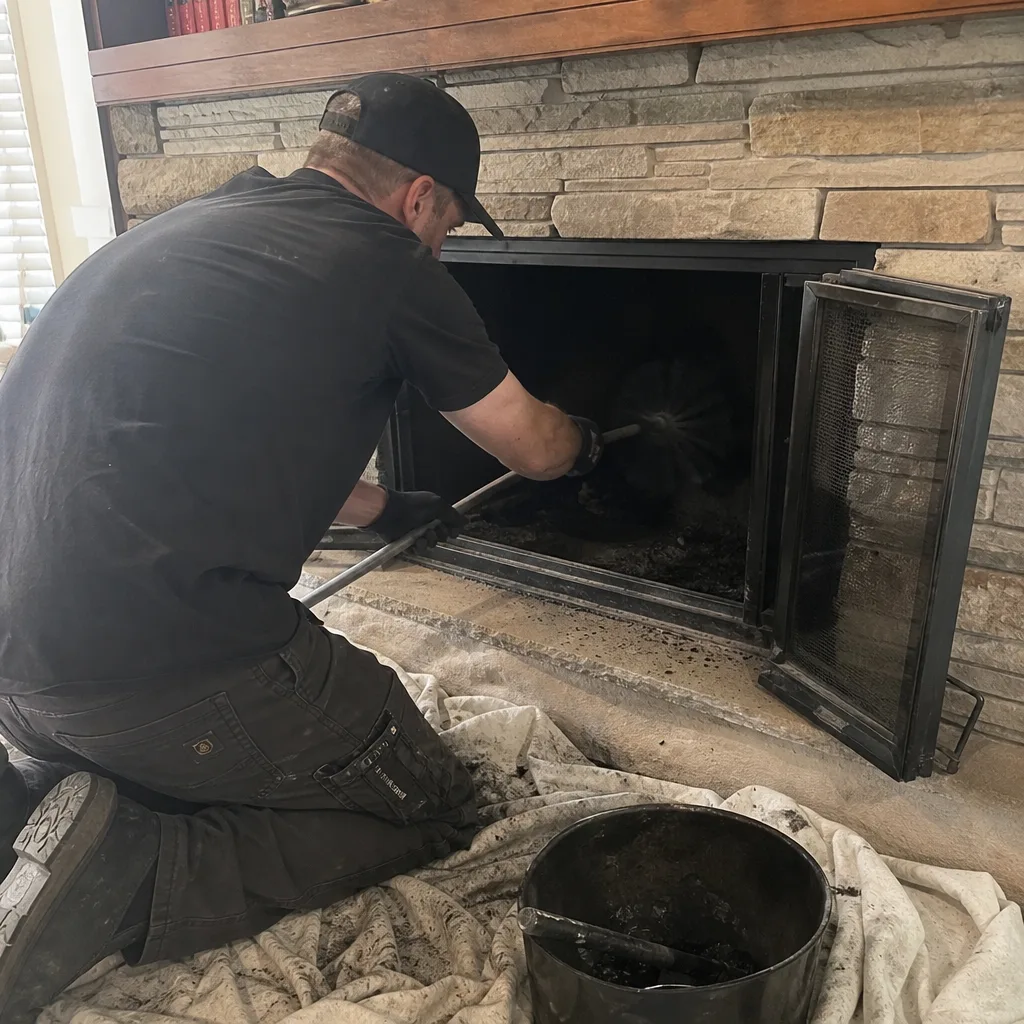
 Sweep & inspection
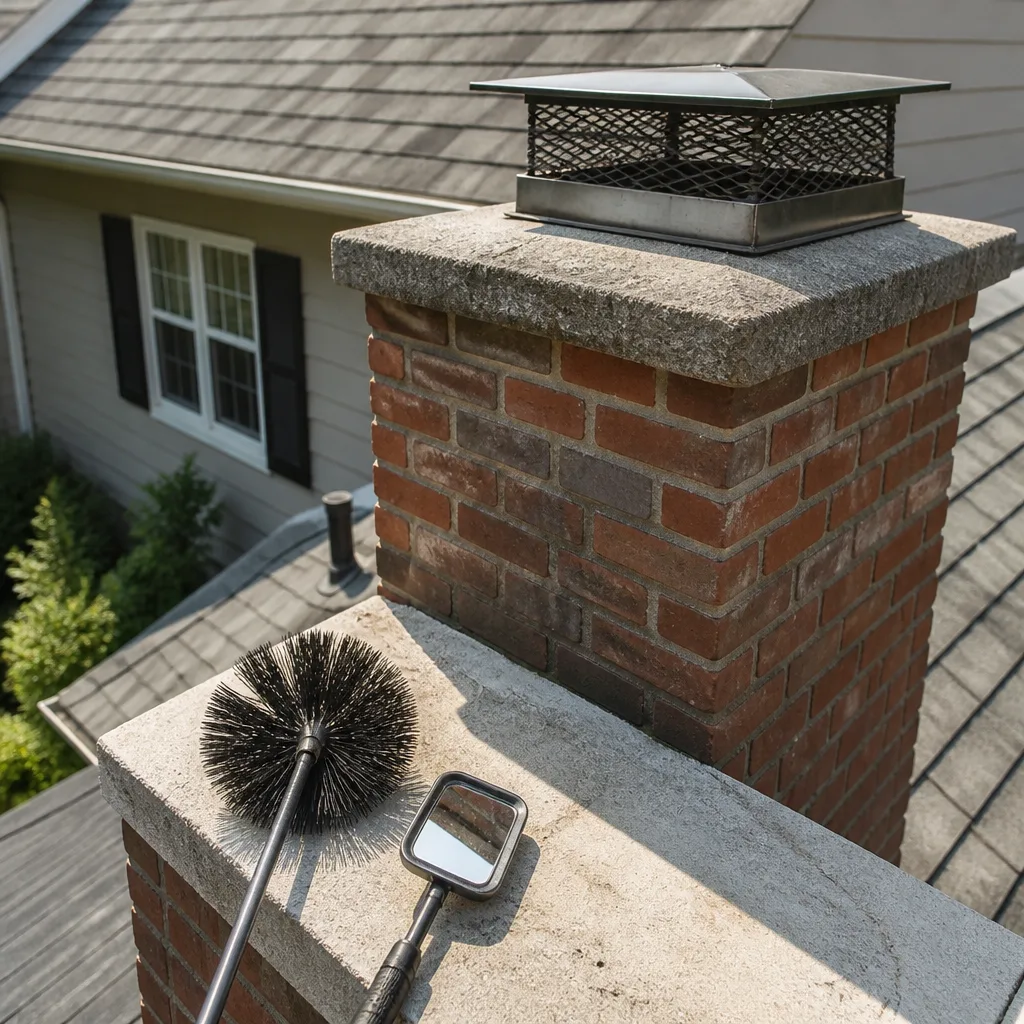
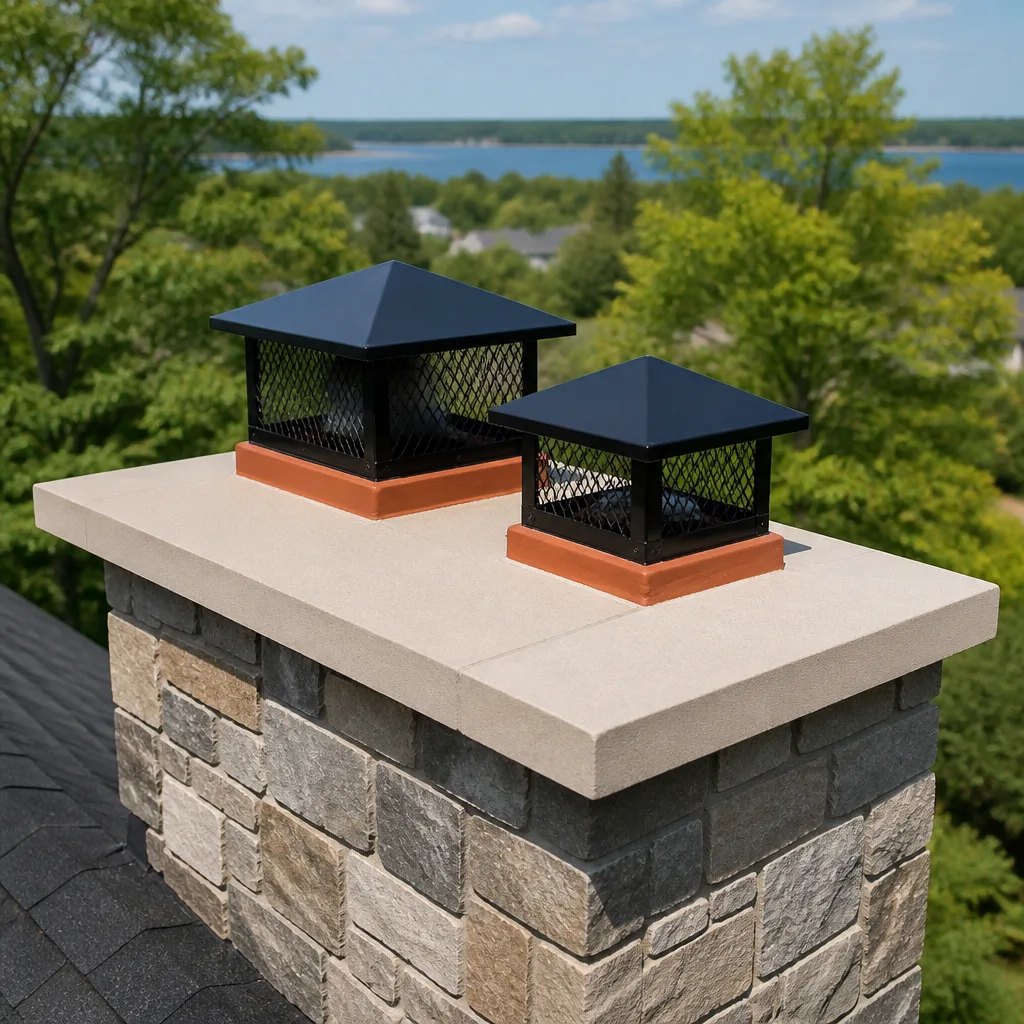 Caps & crowns
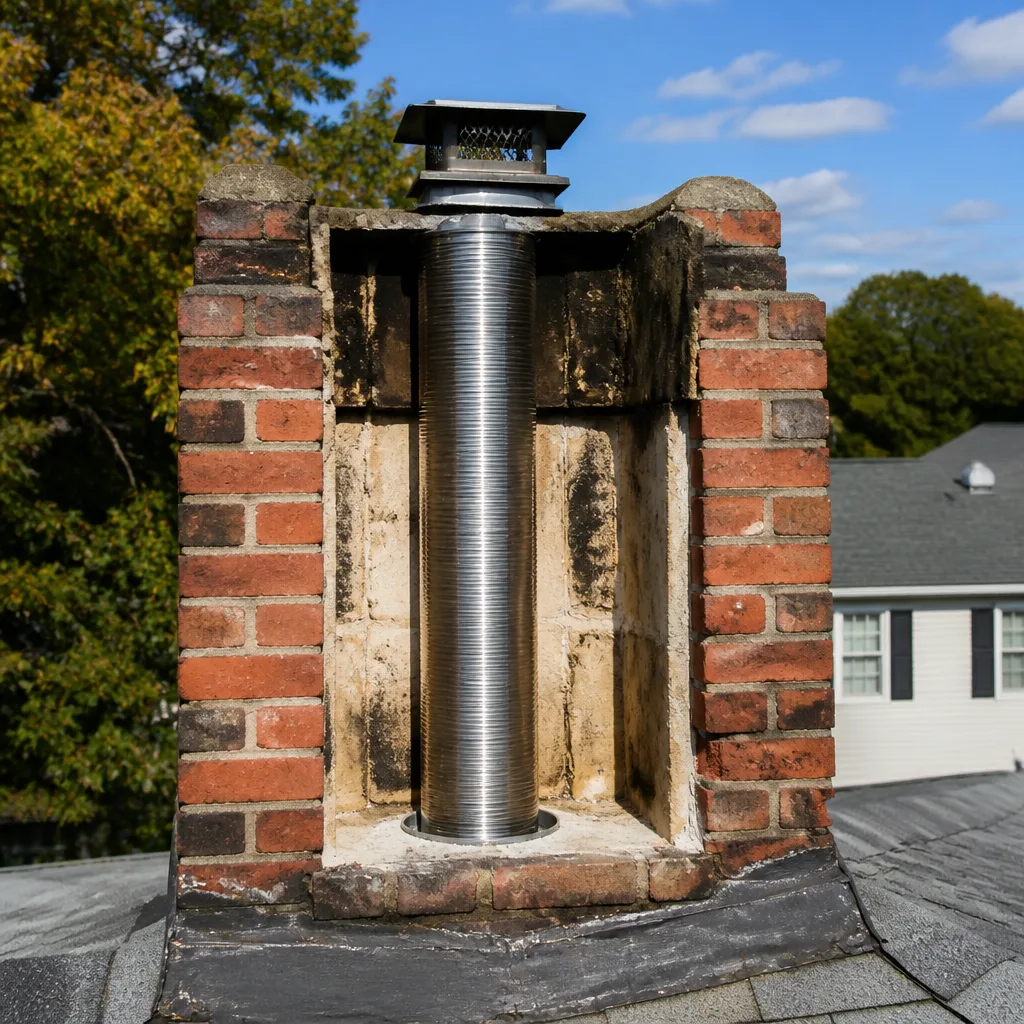 Flue relining
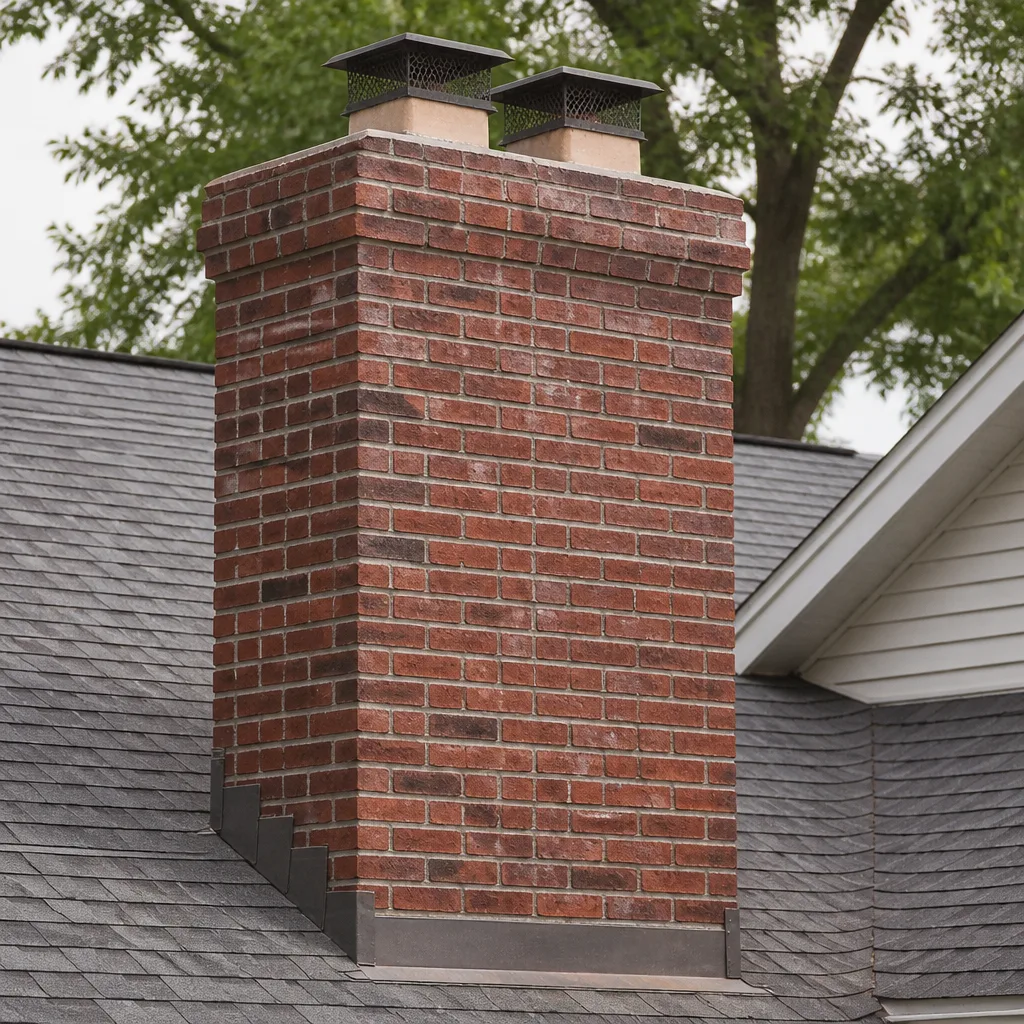 Masonry repair
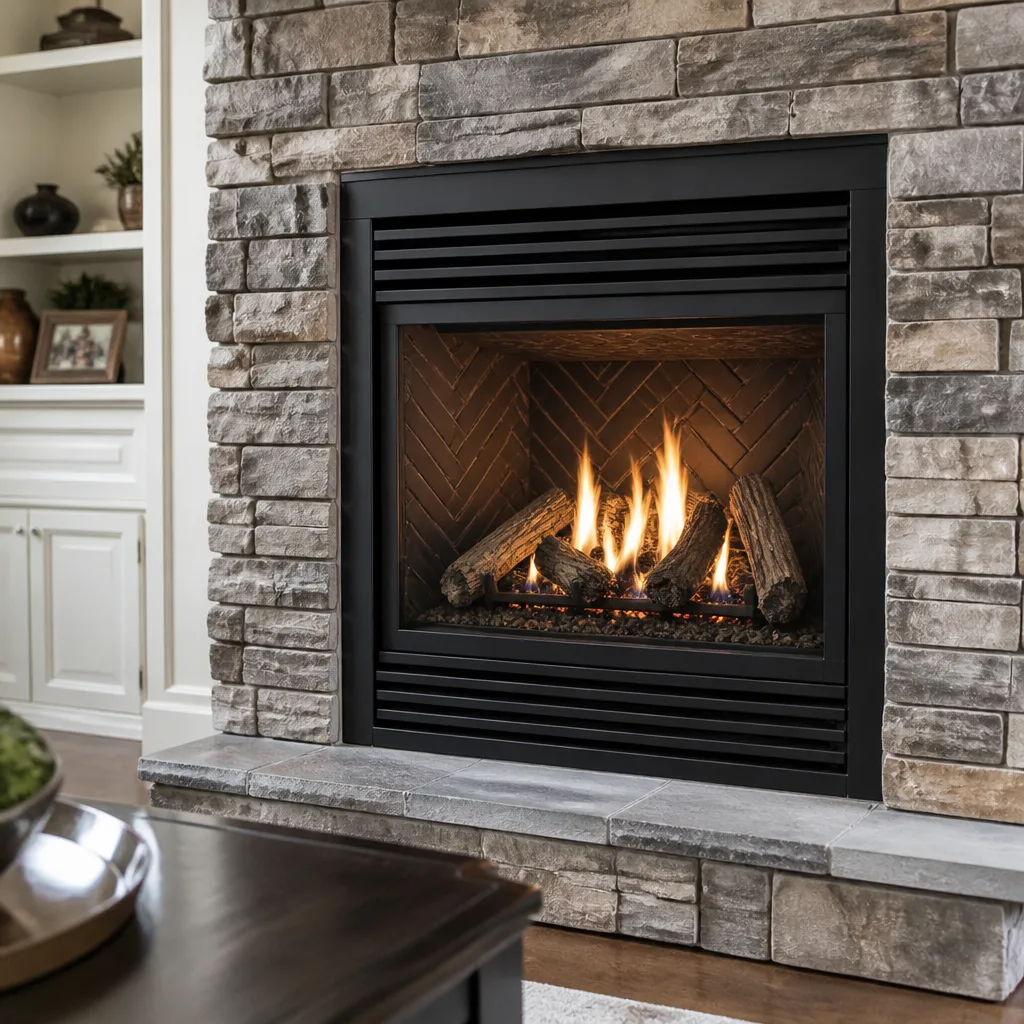 Gas fireplace service
Level 1 sweep and inspection to the NFPA 211 annual standard - flue, crown, cap, and flashing checked and photographed
Chimney sweep logs do not sweep chimneys. They loosen some creosote - which then falls where a brush and vacuum still have to collect it.
Choosing the Right Chimney Cleaning Brand: A Buyer’s Guide for Renton
When people ask about “chimney cleaning brands,” they usually picture bottles on a shelf at a hardware store. That’s the wrong thing to shop for. The brand choices that actually matter are the ones the sweep makes on your behalf: which liner system goes into your flue, which cap sits on top of it, what compound seals the crown. Two invoices can look identical and hide very different materials. A stamped aluminum cap and a stainless steel cap photograph the same way on paper, but after a couple of wet Renton winters one is still doing its job and the other is rusting into the flue. In this guide we’ll walk through what trade-grade materials actually are, what to ask before you book, and which decisions affect your home’s safety and resale value the most.
Quick Answer
The right chimney cleaning “brand” is the one that uses manufacturer-recognized, trade-grade materials (DuraFlex liner systems, HeatShield resurfacing, Gelco caps and components) and can name them when you ask. Sweeping method and material quality matter far more than whatever soap or chemical is in the bucket. If a contractor can’t tell you what liner system they install or what your cap is made of, that’s your answer: keep looking.
Styles & brands we work with
- Sweep & inspection
- Caps & crowns
- Flue relining
- Masonry repair
- Gas fireplace service
Table of Contents
- What “Chimney Cleaning Brand” Actually Means for a Homeowner
- Trade-Grade vs. Big-Box Materials: Caps, Dampers, and Crown Sealants
- What Professional Product Lines Are Used For
- How to Ask a Contractor About Their Liner System
- Cleaning Chemicals vs. Mechanical Brush Technique
- The Flue Liner Decision and What Renton Inspectors Look For
- Why Renton’s Climate Shortens the Life of Cheap Materials
- A Step-by-Step Script for Interviewing a Chimney Contractor
What “Chimney Cleaning Brand” Actually Means for a Homeowner
In the chimney trade, “brand” refers to the product systems a sweep trusts enough to install and stand behind. There’s no consumer product aisle for this. The meaningful names are the ones made for professionals: DuraFlex flexible liner systems, HeatShield chimney resurfacing, Gelco caps, Copperfield components. A contractor who works with these isn’t just buying better parts. They’re signaling a standard of work.
This matters more in a place like Renton than it might somewhere dry. Our wet winters push water into cracked crowns and around undersized caps, and water is the slow cause of most of the repair calls we see. A budget cap that looks fine the day it’s installed can start pitting and staining within a season or two. A trade-grade stainless cap is built to outlast the roof. Same idea with dampers and crown sealants: the material under the surface is the whole story.
The company you hire isn’t selling you a brand name for its own sake. It’s telling you what it trusts on its own jobs. When you call around, listen for whether the contractor can name what they use. If they talk only in generalities (“good quality parts”), that’s a clue they may be sourcing whatever the local supply house has on the shelf that week.
We’ve built our work around a short, specific list of materials because a tight focus produces better results than a wide one. The same principle applies to who does the work: a dedicated specialist is not dividing attention across roofing, HVAC, and gutters. If you want the plain version of what a routine visit involves, start with Chimney Sweep Renton and work outward from there.
Trade-Grade vs. Big-Box Materials: Caps, Dampers, and Crown Sealants
The gap between trade-grade and commodity chimney parts isn’t visible on an invoice. It shows up two or three winters later. Here’s what to compare, and what it’s actually made of.
Chimney caps
- Commodity caps: usually stamped aluminum or thin galvanized steel. They dent easily, corrode at the seams, and the mesh screens tear out in wind. In a wet climate they’re the first thing to fail.
- Trade-grade caps: stainless steel or heavy-gauge, powder-coated construction with welded or riveted seams and reinforced mesh. Gelco caps are the kind we reach for because the build holds up to rain, snow load, and the occasional wind gust off the valley.
Dampers
- Commodity dampers: thin metal plates that warp with heat cycling and stop sealing within a few seasons. A damper that doesn’t seal wastes heat and lets cold air pour down the flue when the fireplace is idle.
- Trade-grade dampers: heavier steel, better gasketing, and top-sealing designs that close off the flue at the crown. That last design keeps water and animals out, which matters in Renton’s wet months.
Crown sealants
- Commodity sealants: standard masonry caulk or hardware-store silicone. It cracks as the masonry expands and contracts with our freeze-thaw cycles.
- Trade-grade crown materials: flexible, high-adhesion sealants and cement-based crown repair systems built to flex with the masonry. A small crack in a crown lets water into the chimney structure, and that’s where expensive repairs start.
None of this is about paying for a logo. It’s about picking materials whose chemistry and thickness match the job. The next section explains what the professional product lines are actually for.
What Professional Product Lines Are Used For
Professional chimney product lines aren’t interchangeable. Each one solves a specific problem. Knowing what each is for helps you follow along when a contractor explains what they found.
DuraFlex is a flexible stainless liner system. It’s the right tool for older flues with offsets, odd angles, or non-standard dimensions where a rigid liner won’t fit. Many Renton-area homes have chimneys built decades ago for a different appliance than the one in use now, and a flexible liner lets a contractor reline that flue without tearing into the masonry. It’s also the system of choice when a flue has to be resized for a modern insert or a gas appliance.
HeatShield is a chimney resurfacing system. It’s a specialized repair for a liner that’s cracked or deteriorated but still structurally sound enough to restore rather than replace. HeatShield is applied to the inside of the flue and forms a smooth, sealed surface. This is the kind of repair most general contractors can’t offer. It takes specific training and specific materials, and it’s often the difference between a full reline and a targeted repair. We’re HeatShield-qualified, which means we can offer it when the flue qualifies.
Gelco is the cap and component line we rely on for top-of-chimney protection. A quality cap does three jobs: it keeps rain out, keeps animals out, and provides spark protection. In a climate with this much rain, the cap is doing a lot of quiet work.
Copperfield components round out the small parts – the hardware, the fittings, the pieces that hold a system together. Small parts are where cheap work hides. A contractor who uses trade-grade small parts isn’t cutting corners where you can’t see.
How to Ask a Contractor About Their Liner System
This is the question that separates a specialist from a generalist. Ask it plainly: “What brand of liner system do you install, and why?” The right answer names the system (DuraFlex is the one we use for flexible installations), explains when it’s appropriate, and admits when a different approach is warranted. The wrong answer is vague or evasive.
For a Pacific Northwest climate, the correct answer should mention a few specific things:
- The system is stainless, not aluminum. Aluminum liners fail fast in wet climates. Stainless is the standard for wood-burning and most other solid-fuel applications.
- The contractor explains the flue assessment first. No liner goes in before a camera inspection shows the flue’s actual condition, size, and any offsets. If the contractor quotes a liner before looking inside, that’s a red flag.
- The flexible vs. rigid decision is explained. Flexible liners (DuraFlex) handle offsets and odd shapes. Rigid liners work in straight, standard flues. A good contractor tells you which one your chimney needs and why.
- Insulation is addressed. A liner that isn’t insulated can lose draft and allow condensation. In our climate, insulated liners are the norm, not the upgrade.
- You’re shown the old liner or the camera evidence. If the contractor can’t show you why a reline is needed, ask for the footage.
- The brand is named without prompting. A specialist doesn’t need to be cornered into naming their system. It’s part of how they explain the work.
If someone tells you a liner is needed and can’t answer these six things, get a second opinion. If you’re not sure whether you’re dealing with a repair or a replacement, the guide to chimney repair walks through how those decisions get made.
Cleaning Chemicals vs. Mechanical Brush Technique
The brand of cleaning chemical matters far less than the person holding the brush. Sweeping a chimney is a mechanical job: a properly sized brush on the right rods, worked through the flue in the right sequence, removes creosote and soot. No spray shortcuts that step. When a company advertises “special chemicals,” ask what they’re actually used for.
There are legitimate uses for chemical treatments:
- Creosote conditioners: in severe glazed creosote cases, a chemical treatment can make hardened creosote brittle enough to brush away. This is a setup step, not a replacement for mechanical cleaning.
- Odor control: a deodorizing treatment after a sweep can help with smoke smell in a closed-up house. It’s a finishing touch.
- Rust prevention on dampers and components: in a wet climate, a protective treatment can extend the life of small metal parts.
What chemical treatments can’t do is substitute for brushing the flue clean, and no spray bottle replaces a camera inspection that shows the flue’s actual condition. If a contractor offers a “chemical-only” cleaning, that’s not a sweep. On the other side of that, a well-equipped chimney sweep shows up with the right brushes, the right rods, and a camera, and explains what they’re seeing as they go. The mechanical work is the job.
The Flue Liner Decision and What Renton Inspectors Look For
If one material decision affects your home’s resale and insurance more than any other, it’s the flue liner. A cracked, missing, or improperly sized liner is a safety issue and a disclosure issue. When a home inspector or a chimney inspector looks at a Renton home, they’re checking a few specific things:
- Is there a liner at all? Many older homes have unlined flues or flues lined with clay tile that’s cracked.
- Is the liner the right size for the appliance? An oversized flue loses draft; an undersized one restricts it. Both are problems.
- Is the liner continuous and properly connected at the top and bottom? Gaps at either end let gases escape and water in.
- Are there signs of creosote or water damage in the flue? Staining, cracked tiles, and rusted connections all get flagged.
- Is the crown and cap in good condition? The top of the chimney is where water damage usually starts.
A proper stainless liner in good condition is a selling point. A flue with a known defect is a negotiating item and sometimes an insurance concern. The decision about liner type, material, and installation method may follow you for years. That’s why it’s worth asking the brand question in the first place. If you’re buying or selling a home in Renton, a proper inspection before a transaction is one of the most cost-effective checks you can make.
On the repair side, HeatShield resurfacing can sometimes restore a damaged flue that would otherwise need a full reline, which is often the difference between a smaller job and a larger one. The right answer depends on what the camera shows, not on what’s easiest to sell.
Why Renton’s Climate Shortens the Life of Cheap Materials
Renton gets a lot of rain and a real freeze-thaw cycle every winter. That combination is hard on chimney exteriors and the parts that protect them. Water gets into masonry cracks, freezes, expands, and widens the crack. Repeat that for a few seasons and a small crown crack turns into a structural repair.
This is why cheap materials fail faster here than they would in a dry climate:
- Stamped aluminum caps pit and corrode at the seams. In a wet climate, that process starts within a season or two.
- Standard masonry caulk on a crown doesn’t flex enough to survive freeze-thaw cycles. It cracks, water gets in, and the cycle repeats.
- Uninsulated liners in a cold flue can lose draft and allow condensation, which corrodes metal and eats away at the masonry.
The materials we choose are chosen with this climate in mind. A trade-grade stainless cap with a proper screen isn’t selling you a brand; it’s ending a recurring repair. A flexible, insulated liner isn’t a luxury; it’s what a flue in this climate actually needs. Our technicians have up to 15 years of experience, and in that time the consistent lesson is that climate punishes shortcuts quietly.
A Step-by-Step Script for Interviewing a Chimney Contractor
You don’t need to become a chimney expert to hire well. You need a short set of questions and a feel for whether the answers are specific or smooth. Use this script when you call around:
- “What services do you offer?” You want to hear sweep, repair, and inspection. If the answer drifts into roofing, gutters, and HVAC, you’re talking to a generalist.
- “What brand of liner system do you install, and when do you use flexible versus rigid?” The right answer names a system and explains the decision.
- “Do you inspect with a camera, and will I see the footage?” A contractor who shows you the flue’s actual condition is working with evidence, not guesswork.
- “What’s your cap made of, and why?” Stainless or heavy-gauge, not stamped aluminum.
- “What will the visit include, and how will I know what you found?” You want a plain explanation of the work and a written estimate before anything is authorized.
- “Can I speak to a technician or supervisor about a specific concern?” Specialists are comfortable talking about their work. Generalists often aren’t.
If a company can answer these questions without deflecting, that’s a good sign. If the answers are all “we’ll figure it out on site,” that’s a sign the service is being assembled as it goes. You’re paying for a specialist’s judgment, not for someone learning on your chimney.
Common Mistakes to Avoid
- Hiring whoever is cheapest. The low bid often means commodity materials that fail in our wet climate, and a repeat job in two or three years. Ask what they install before you compare prices.
- Accepting a liner quote without seeing the flue. A liner shouldn’t be quoted before a camera inspection shows the flue’s actual condition, size, and any offsets.
- Choosing a generalist for chimney work. A contractor juggling roofing and gutters isn’t building chimney-specific expertise. The brand list a specialist can name is evidence of that focus.
- Letting a cracked crown go. In Renton, a small crown crack is how water gets into the chimney structure. Fix it while it’s small.
- Skipping the cap because the old one “still looks fine.” Rusty seams, torn screens, and missing fasteners are easy to miss from the ground. Have the cap checked during the sweep.
- Treating chemical sprays as a substitute for brushing. If a contractor offers chemical-only cleaning, that’s not a sweep. Mechanical brush work is the job.
- Not asking about insulation with a new liner. An uninsulated liner in a cold flue can lose draft and allow condensation. In our climate, insulation is standard, not an upgrade.
See the difference
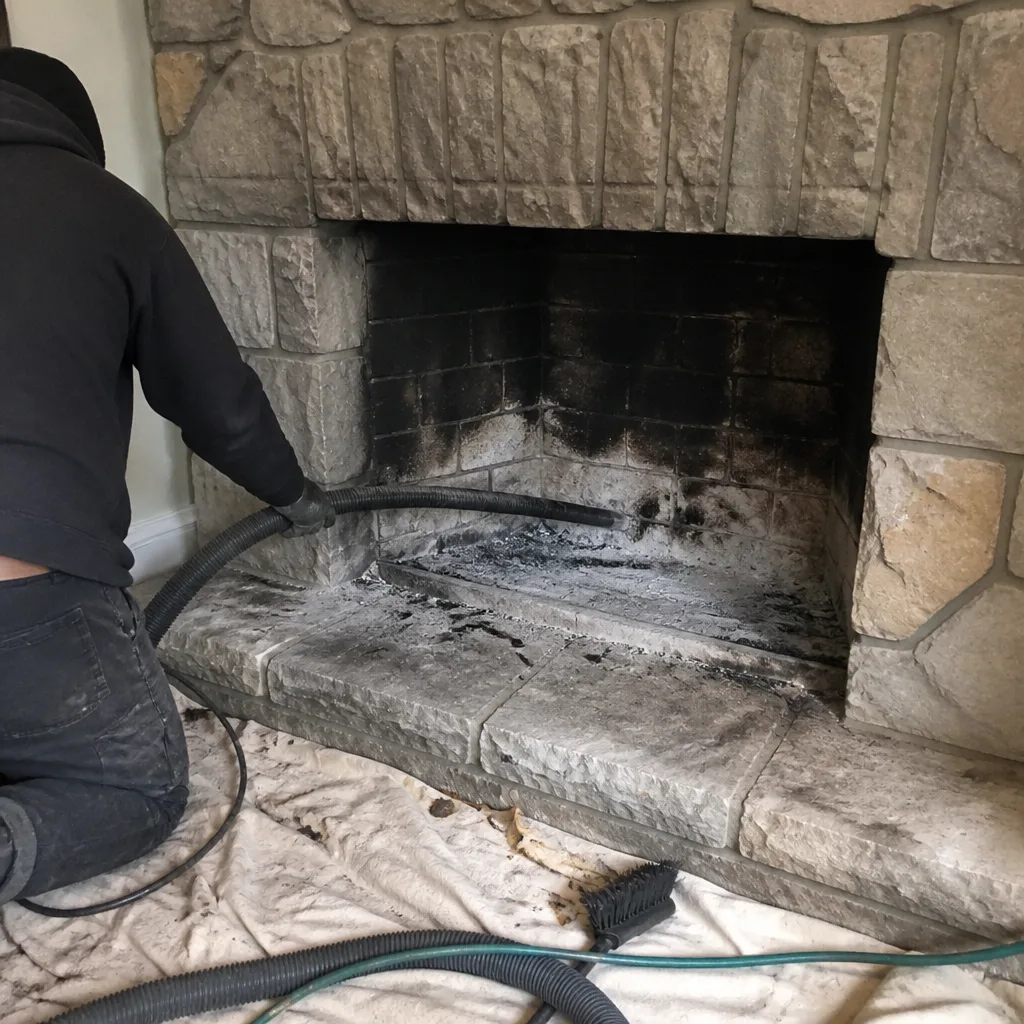 Before
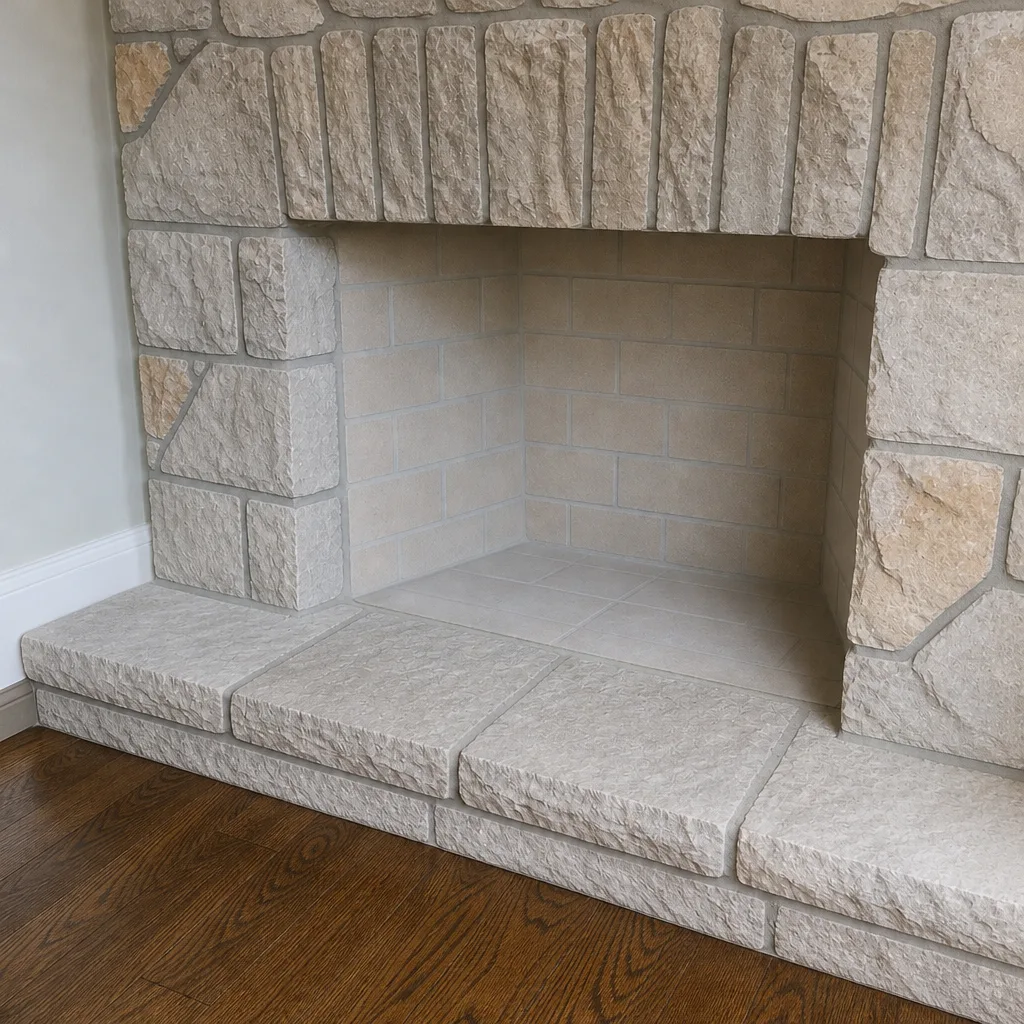 After
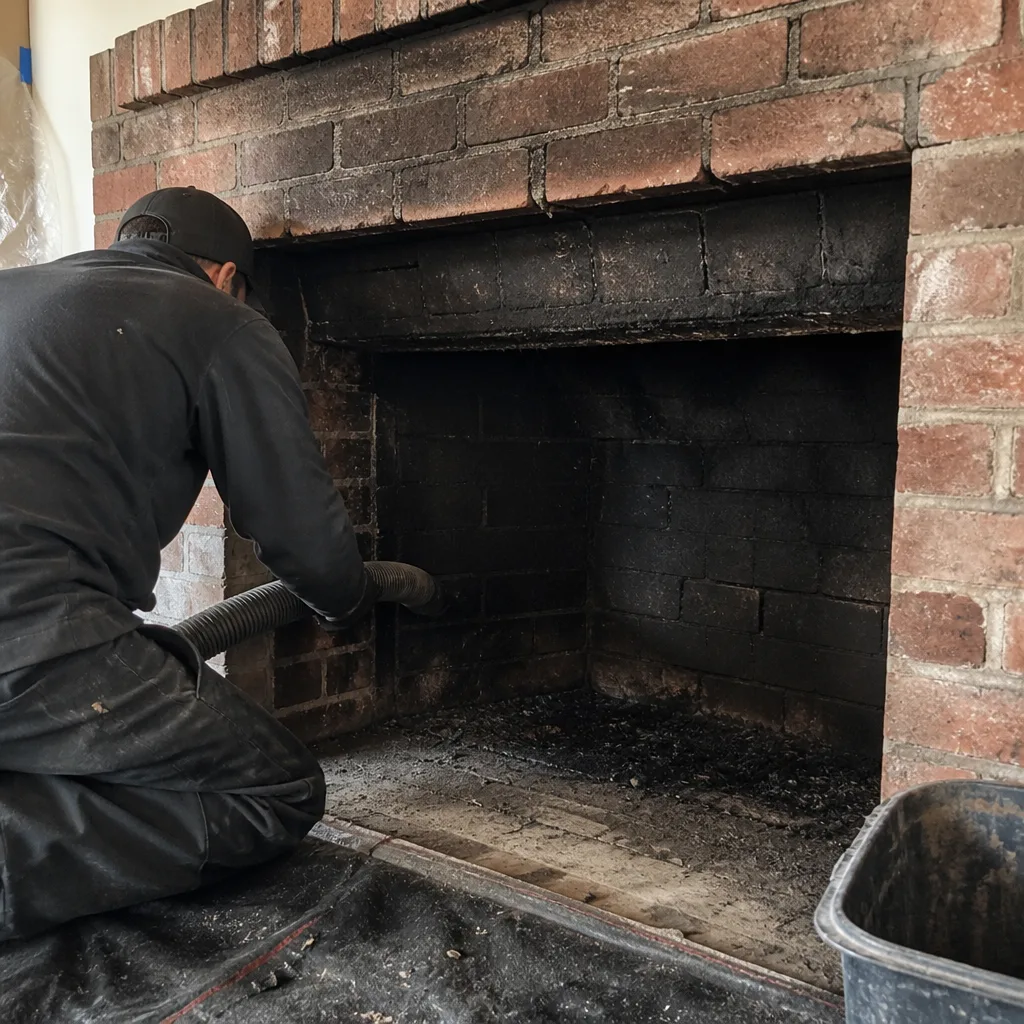 Before
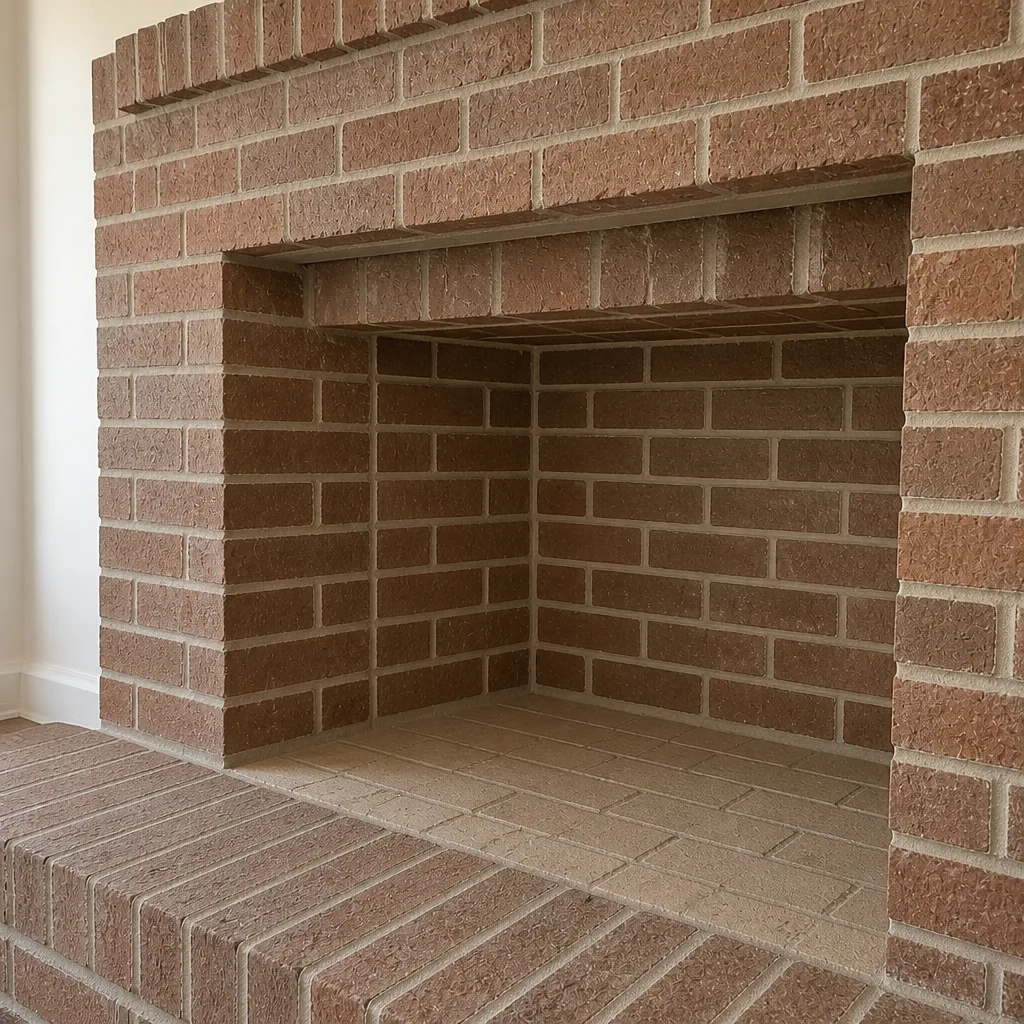 After
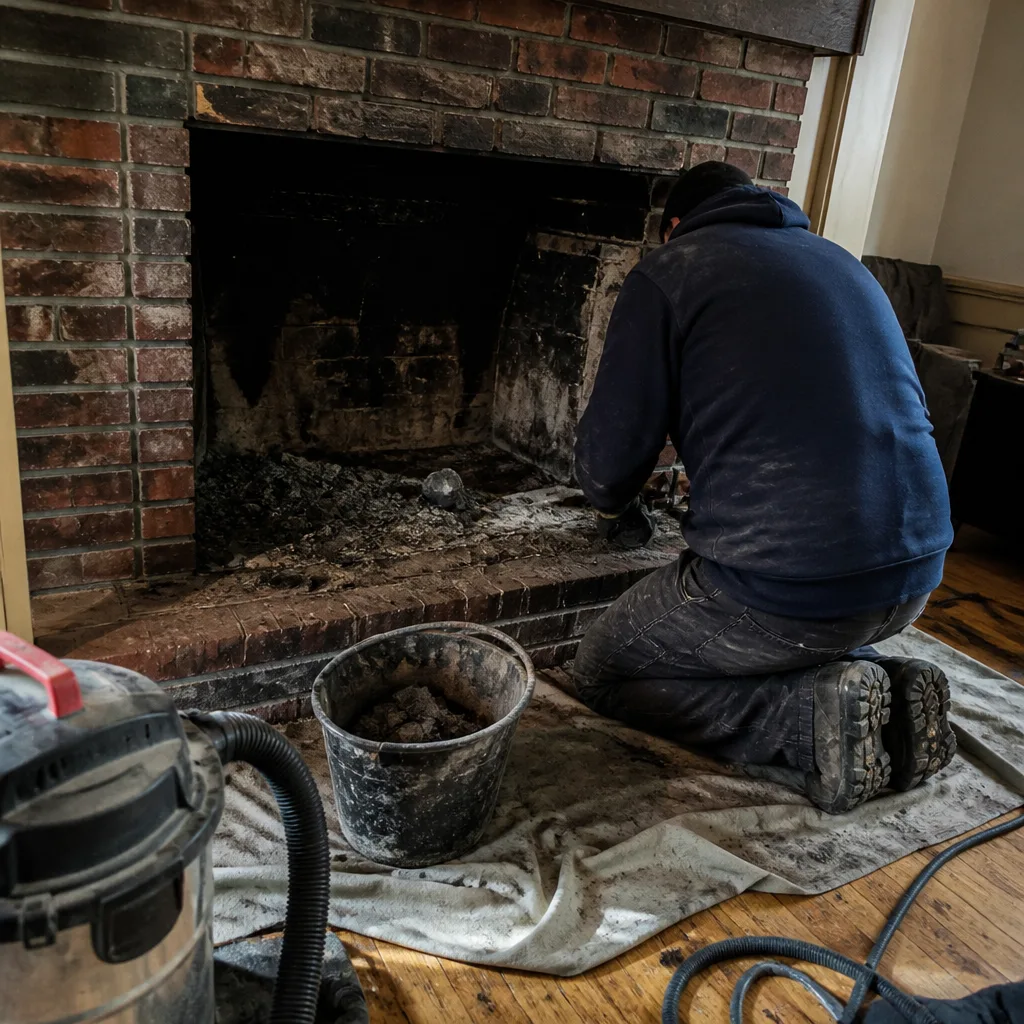 Before
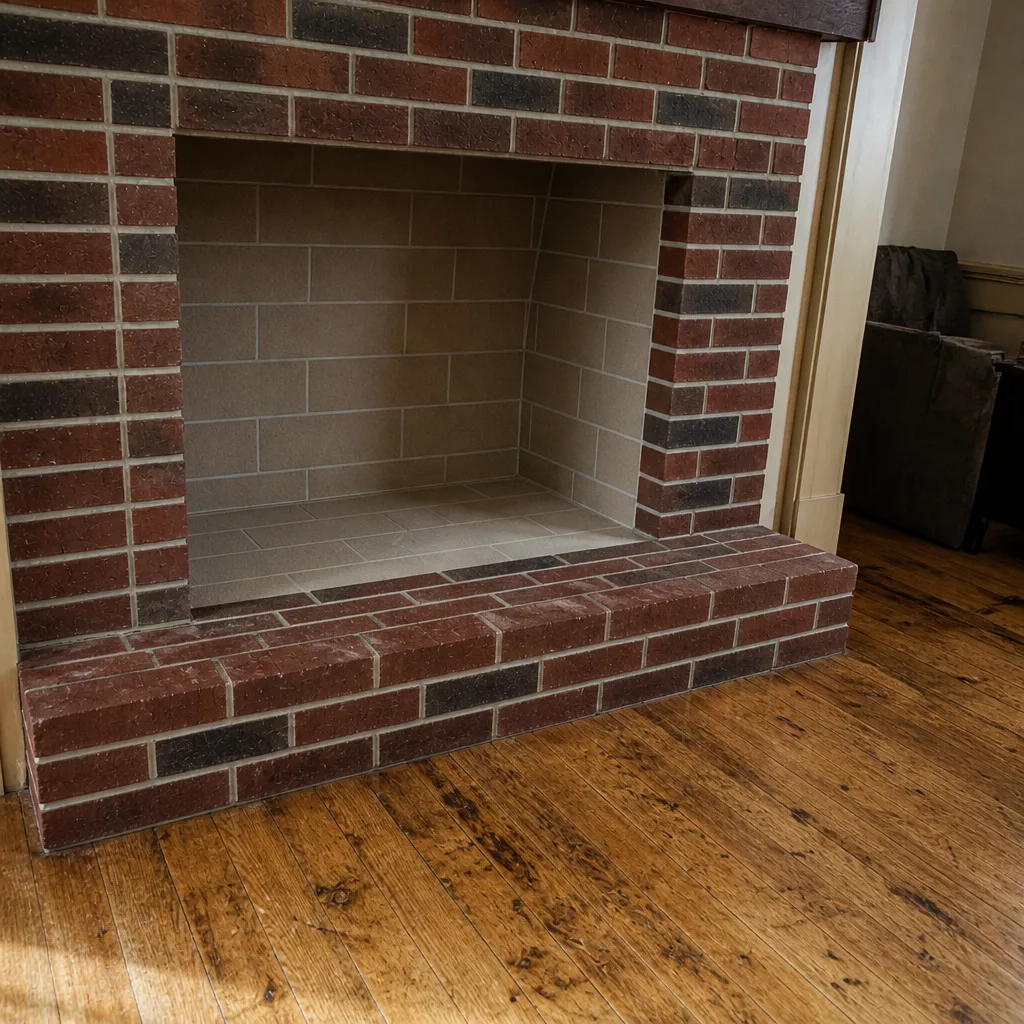 After
When to Call a Professional
Call a professional chimney contractor when you see or smell smoke in the house with the damper open, when you notice creosote buildup that’s glossy or hardened, when a rainstorm leaves water in the firebox, or when the cap is visibly damaged. Call if you’re buying or selling a home and the flue’s condition is unknown, or if you’re switching fuels or installing an insert. And call if a contractor told you a liner or masonry repair was needed but didn’t show you camera evidence. These are the situations where a proper inspection and a written estimate matter. Chimney Sweep Renton offers free estimates in Renton – call (833) 754-5974. We answer 24/7. Fast dispatch from 7am to 7pm, Sunday through Friday.
Frequently Asked Questions
A routine sweep is typically a modest flat fee that depends on the flue’s condition and accessibility, and the written estimate sets the final price. Call (833) 754-5974 for an exact quote – estimates are free. We answer 24/7.
Only if the camera inspection shows the existing liner is cracked, missing, undersized, or disconnected. A qualified contractor shows you the footage before recommending a liner. Some flues can be restored with HeatShield resurfacing instead of a full replacement. Call (833) 754-5974 to book an inspection.
Most wood-burning flues need sweeping once a year or after about a cord of wood, whichever comes first; gas appliances generally need an inspection but less frequent sweeping. Your situation depends on your fuel and usage, and a professional can tell you what your flue actually needs. Call (833) 754-5974 for an exact quote – estimates are free.
Creosote builds up in the flue, draft weakens, and the risk of a chimney fire rises. In a wet climate, water damage to the crown and cap also grows quietly. Skipping a sweep isn’t a shortcut; it’s a deferral. Call (833) 754-5974 to book a visit.
We install DuraFlex flexible stainless liner systems, chosen for their fit in older, offset, or non-standard flues common in Renton homes. The right system depends on the flue’s dimensions and condition, and we explain the choice before any work begins. Call (833) 754-5974 for an exact quote – estimates are free.
A chimney sweep is a specialty, not a general repair task, and the difference shows in the materials used and the inspection performed. A specialist can name the liner system and cap brand and show you camera evidence. Call (833) 754-5974 to schedule an inspection.
The Bottom Line
The brand that matters for chimney cleaning isn’t sold in a bottle. It’s the liner system the contractor installs, the cap they put on your chimney, the sealant they apply to your crown, and the inspection they perform before recommending any work. Trade-grade materials by name (DuraFlex, HeatShield, Gelco, Copperfield) hold up better in Renton’s wet winters, and a specialist who can name them is a better bet than a generalist. Ask the questions in this guide, request camera evidence, and insist on a written estimate before any work begins. That approach will save you more than a cheap first invoice ever will.
If you’re ready to move forward, call (833) 754-5974. We answer 24/7. Fast dispatch from 7am to 7pm, Sunday through Friday. Chimney Sweep Renton offers free estimates in Renton, and our technicians have up to 15 years of experience with the materials that hold up here.
Written by the team at Chimney Sweep Renton.