
Last updated November 16, 2026
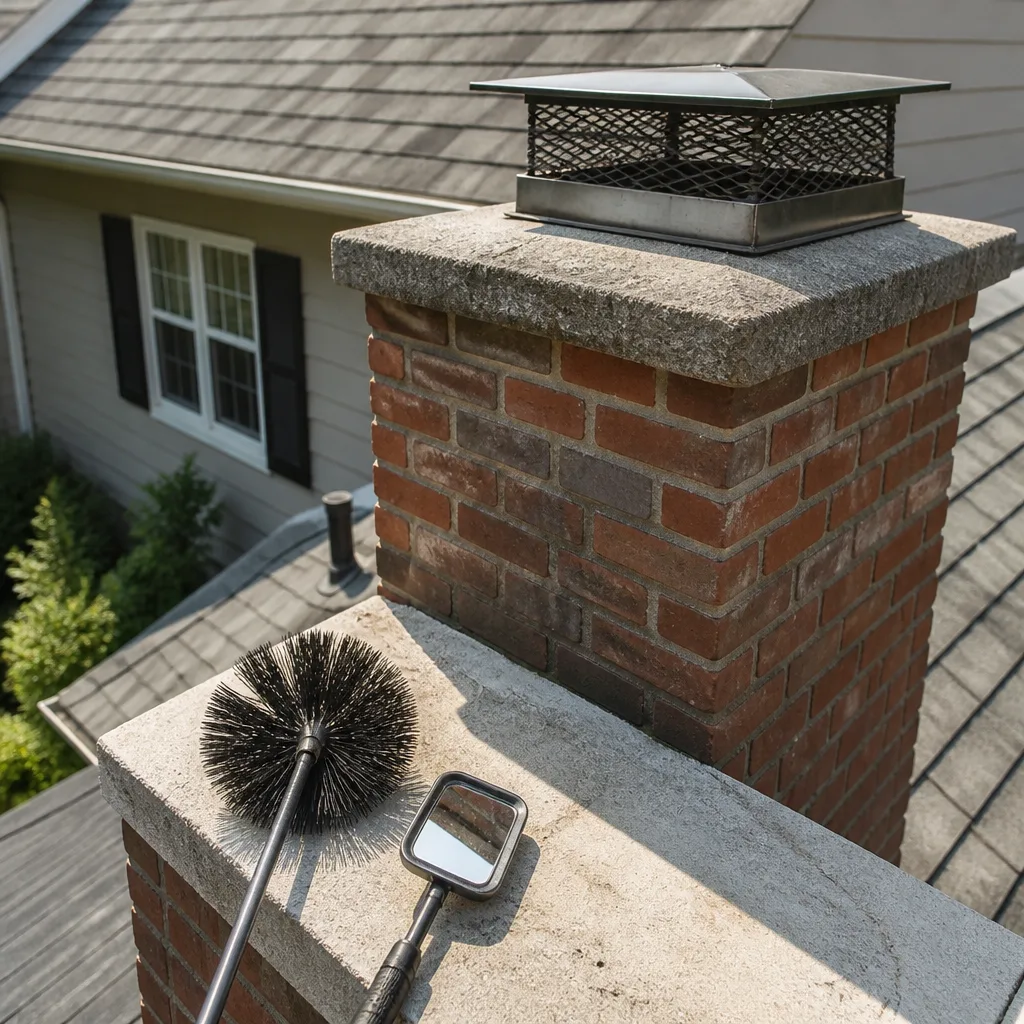 Sweep & inspection
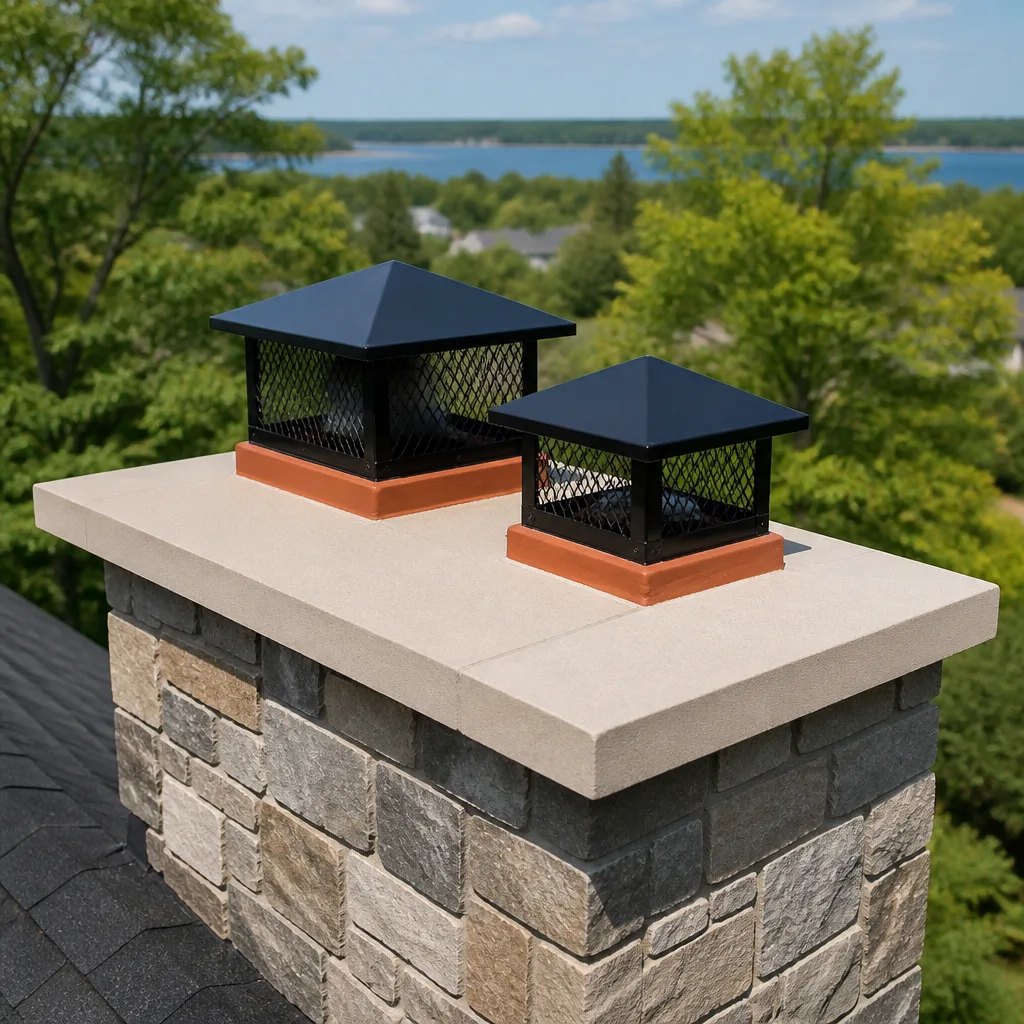 Caps & crowns
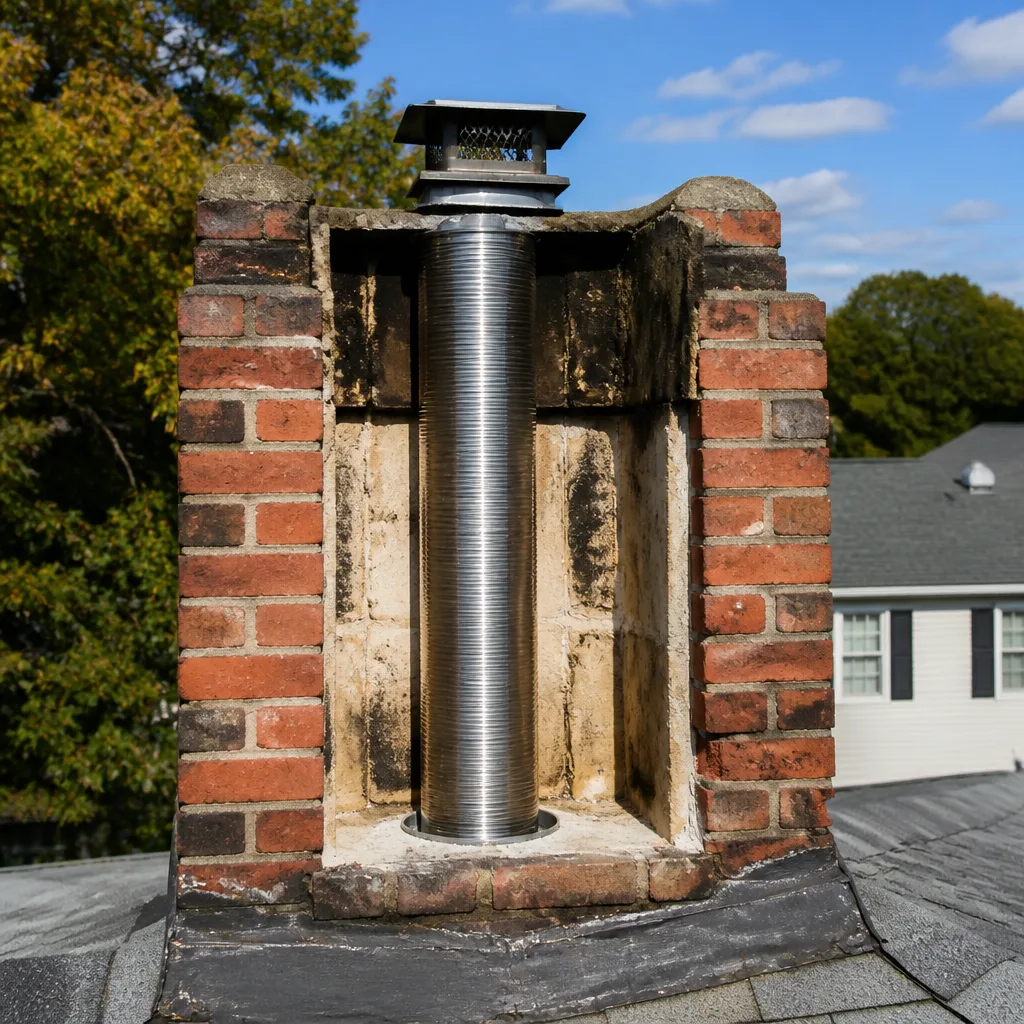 Flue relining
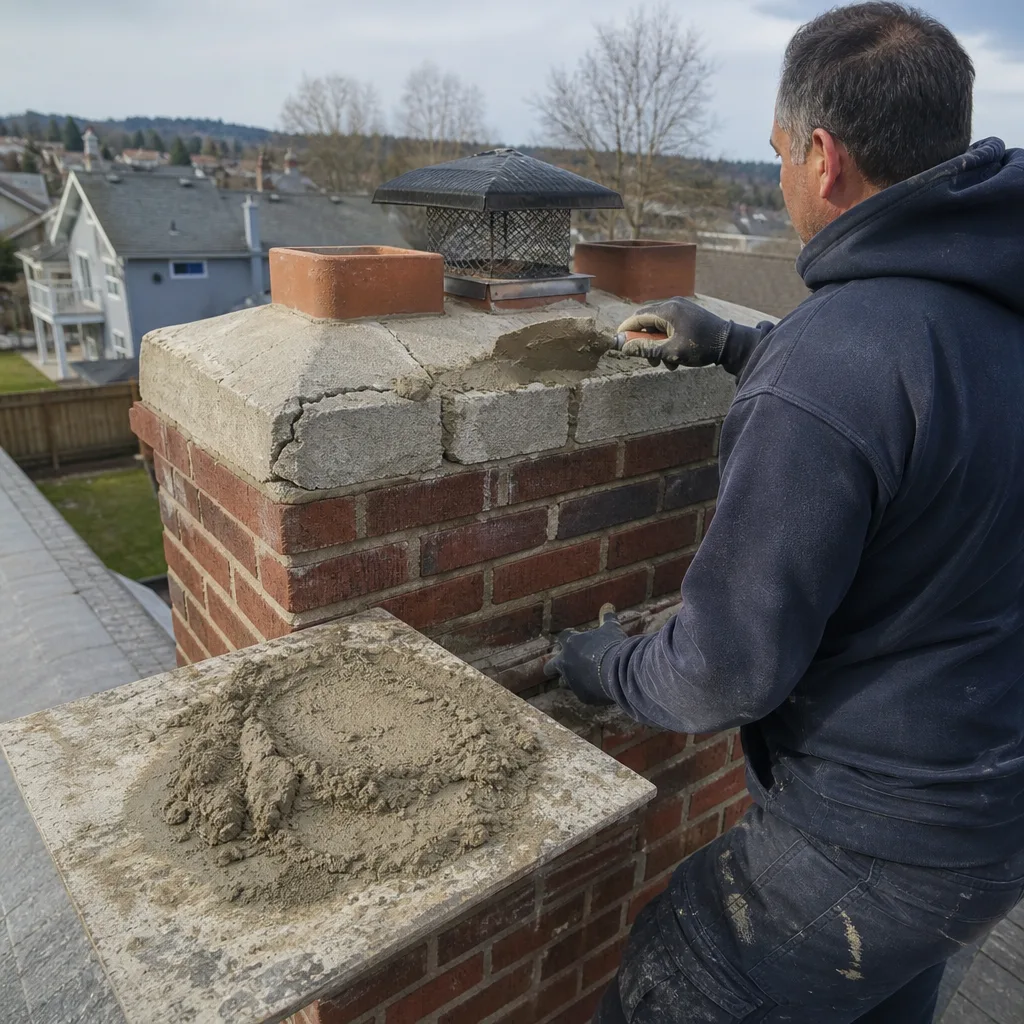
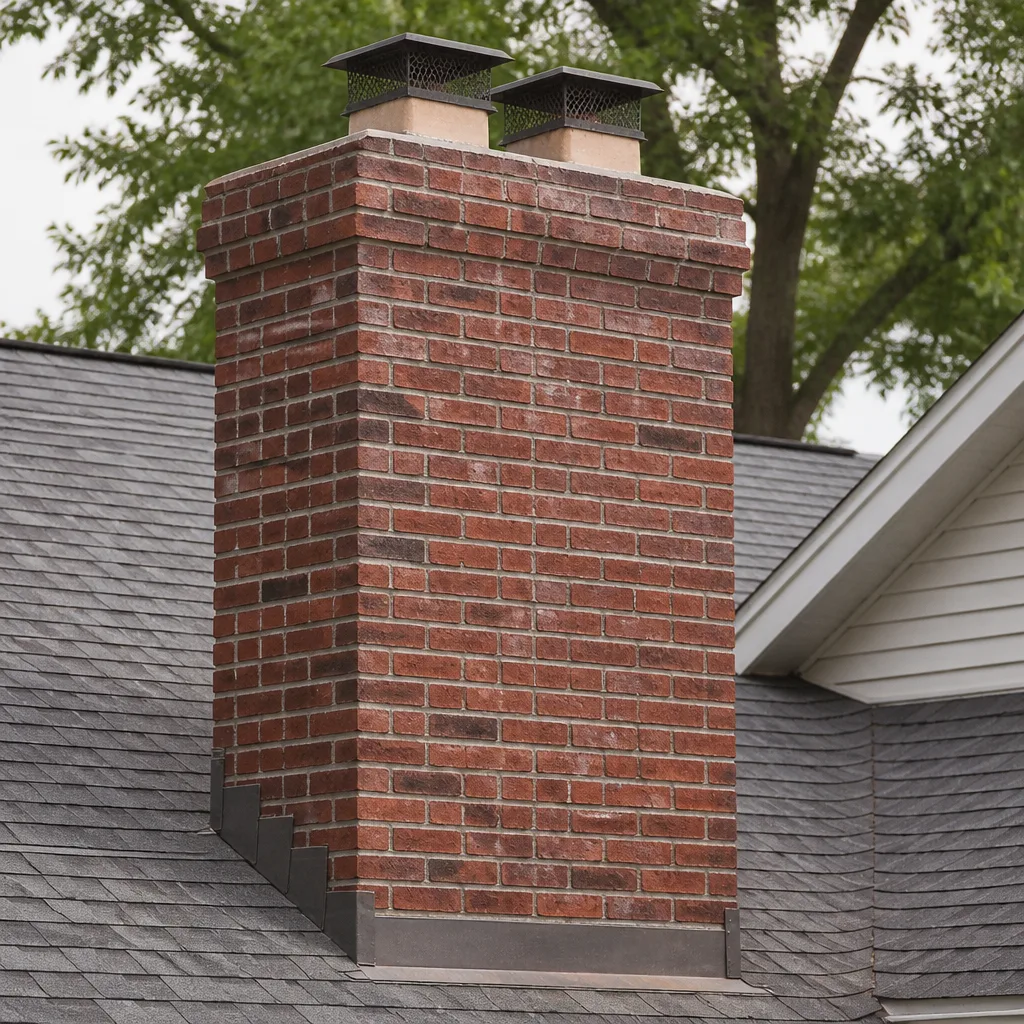 Masonry repair
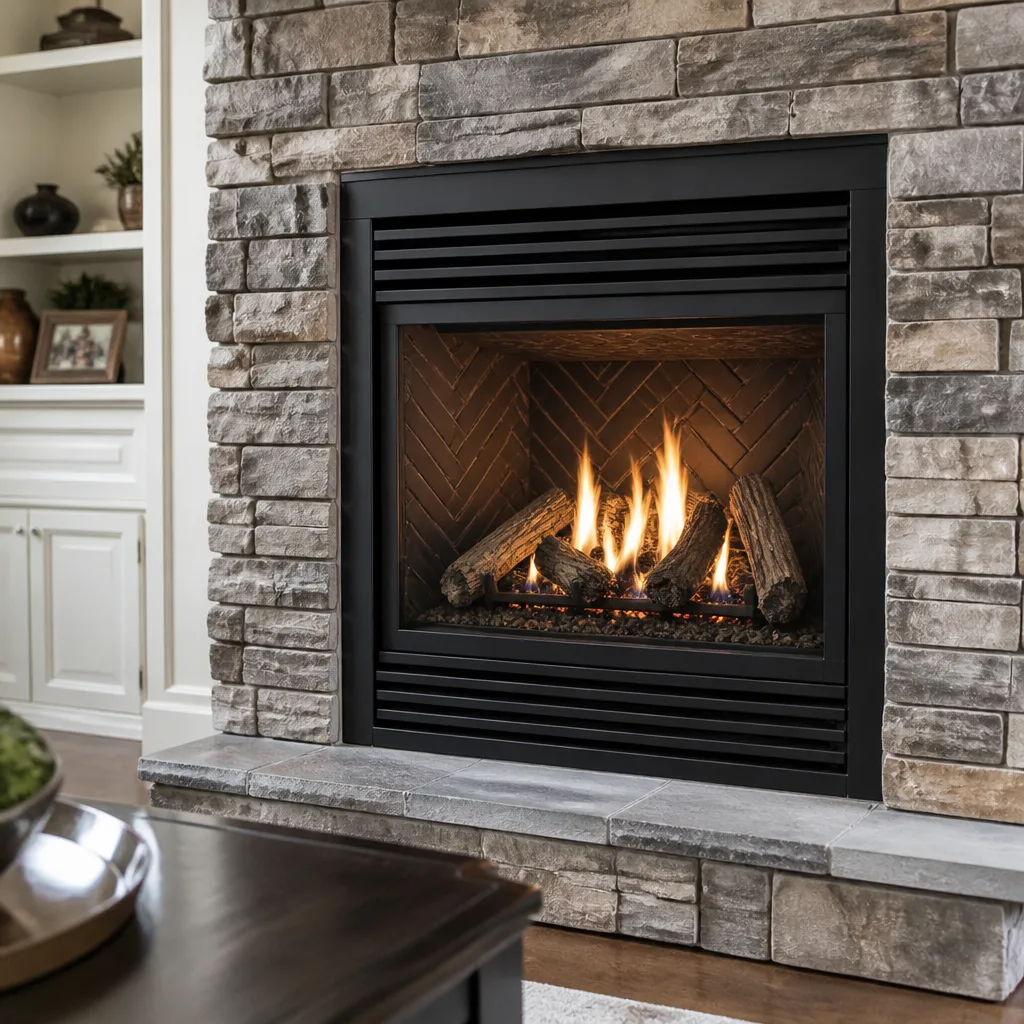 Gas fireplace service
Level 1 sweep and inspection to the NFPA 211 annual standard - flue, crown, cap, and flashing checked and photographed
Chimney sweep logs do not sweep chimneys. They loosen some creosote - which then falls where a brush and vacuum still have to collect it.
How to Hire a Chimney Cleaning Contractor in Renton: A Step-by-Step Guide
There is no license specifically required to call yourself a chimney sweep in Washington State. That’s the uncomfortable truth behind this guide. It means anyone with a brush, a shop vac, and a magnetic sign on the side of a pickup can advertise chimney cleaning in Renton tomorrow morning. The gap between a qualified specialist and a generalist with the right tools is invisible until something goes wrong, and by then the work is done, the invoice is paid, and the creosote you thought was gone is still sitting in the flue. What follows is a concrete filter you can use to separate the two before you book anyone, and to know what a legitimate job actually leaves behind.
Quick Answer
To hire a chimney cleaning contractor in Renton, confirm three things before you book: the sweep volunteers a recognized certification (CSIA or NFI) without being prompted, they provide a written scope of work and a written inspection report with photos after the job, and they install named trade-grade components like DuraFlex liners or Gelco and Famco caps rather than anonymous parts. A legitimate specialist will answer certification and reporting questions directly. One who dodges them, quotes only a flat price over the phone, and wants cash is telling you exactly what kind of operation they run. Our technicians have up to 15 years of experience, and we’re happy to walk you through what a real sweep in Renton involves.
Table of Contents
- 1
- 2
- 3
- 4
- 5
- 6
- 7
- 8
- 9
- 10
- 11
Why Hiring a Chimney Sweep in Renton Is Harder Than It Should Be
The greater Seattle area has a low barrier to entry for chimney work, and that shapes the market more than anything else. When no specific license is required to hang out a shingle, the credentialing is voluntary. That’s not a reason to give up on finding a good sweep; it’s a reason to pay attention to what a contractor volunteers. A specialist who has invested in certification, named materials, and a real reporting process will lead with that. Someone who hasn’t will lead with price.
Renton sits in a climate that makes chimneys work hard. The long wet season means chimneys rarely get the sustained drying they’d get in a drier part of the state, and the shoulder seasons mean burn habits are inconsistent – a fire here and there, a wet log, a damper left partly closed. That pattern builds creosote in layers that don’t always look dramatic but do accumulate. Housing stock matters too: Renton has everything from older homes near the downtown core to newer construction up the hill, and each brings different flue configurations. A generalist who treats every chimney the same misses that variation.
What you’re really hiring is judgment. The sweep has to look at your flue, decide what the buildup and the condition of the liner actually call for, and tell you honestly what can wait and what can’t. That judgment is the product. The brushing is just how it’s delivered.
What CSIA and NFI Certifications Actually Mean
Two credentials matter in this trade, and they test different things. The CSIA (Chimney Safety Institute of America) certification is the sweep’s credential – it covers inspection standards, sweeping technique, and an understanding of venting and draft. NFI (National Fireplace Institute) certification focuses on hearth appliances and their venting, including gas and wood. A specialist may hold one or both. What matters is that they can tell you which they hold and what it covers, without looking it up.
Certification isn’t a trophy you hang on the wall once. It requires continuing education to maintain, which is the part homeowners rarely ask about. A sweep who has kept certification current has had to stay current with the trade. That’s the value: not the certificate itself, but what it takes to keep it.
- CSIA – inspection and sweeping standards; the baseline for a chimney professional.
- NFI – hearth appliance and venting knowledge, wood and gas.
- Both – a good sign the contractor treats chimney work as a career, not a side job.
- Neither, but a real process – not automatically disqualifying, but ask harder questions about experience and reporting.
In our experience, the certification question sorts the field faster than anything else. We’re a dedicated chimney specialist, not a multi-trade crew dividing attention across unrelated services, and that focus is part of why our technicians build real depth. If you’re ready to talk about your chimney with someone who does only this, reach out for a Chimney Sweep Renton appointment and we’ll walk you through it.
The Five Questions to Ask Before You Book
Ask these on the phone. The answers – or the hesitation – tell you what you need to know. A qualified contractor answers each one in a sentence or two without deflecting. If any answer below feels evasive or hostile, that’s your filter working.
- “Are you CSIA or NFI certified, and can you tell me which?” A disqualifying answer is silence, “we’re licensed and insured” as a substitute, or an answer that changes the subject. Certification is a yes-or-no fact.
- “What’s included in the price, and what isn’t?” You want a written scope. A disqualifying answer is a flat phone price with no detail and no written confirmation.
- “Do I get a written inspection report with photos?” A disqualifying answer is “we’ll tell you what we find” with nothing in writing. Photos matter because you can’t see inside your own flue.
- “What brand of liner or components do you install?” Named trade-grade components – DuraFlex, HeatShield, Gelco, Famco, Olympia Chimney, Copperfield – signal a specialist. A disqualifying answer is “whatever’s best” or “we source what we need.”
- “If you find a problem, how will you show me it’s real?” A disqualifying answer is a verbal claim with no camera evidence and no way to verify it before you commit to work.
None of these are trick questions. They’re the questions a serious contractor expects, and the ones a shortcut operator hopes you won’t ask. For a closer look at what a proper chimney sweep should include, we’ve laid out the process step by step.
How to Verify a Certification in 60 Seconds
Don’t take a certification claim at face value. Verification is fast and you can do it before the technician arrives.
- Ask for the contractor’s name and the certification body (CSIA or NFI) when you book.
- Check the certifying body’s online directory for a current listing.
- Confirm the certification is active, not expired or lapsed.
- If the name isn’t listed, ask directly whether the certification has lapsed and how long the technician has been doing the work.
If a contractor can’t be verified in that window, that’s information. It doesn’t automatically mean they’re unqualified – some experienced technicians work under a company’s umbrella rather than as an individually listed name – but it does mean you should rely on the company’s own accountability and process instead. Ask who signs off on the work and where the written report comes from. A dedicated specialist can answer that in one sentence. A generalist shop usually can’t.
There’s a second layer to verification that doesn’t show up in a directory: the materials. When a contractor names DuraFlex flexible liners or Gelco and Famco caps, you can look those products up and understand what’s going into your chimney. When a contractor says “we’ll put in a quality liner,” there’s nothing to verify. Trade-grade materials by name is the standard to hold them to.
Why the Lowest Bid Usually Costs the Most Over Five Years
A cheap sweep feels like a win on the day of service. Over a five-year window, the math tends to flip. The lowest bid is structurally likely to be the most expensive outcome, and it’s worth understanding why before you pick a number off a list.
- Price reflects scope. A bid that undercuts the field usually means a narrower job: a quick pass with the brush, no inspection, no report. The buildup you were worried about may be partially addressed at best.
- No inspection means no early detection. Small chimney problems are cheap to fix. Caught late, they become liner replacement or masonry repair. The savings on the original sweep get absorbed fast.
- Anonymous parts cost more later. A commodity cap or liner that fails prematurely means paying for the job twice.
- Hidden rework. Work that has to be redone is the most expensive work there is, because you pay for it and for what should have been done the first time.
The right question isn’t “what’s your cheapest price” but “what does this price include, and what am I leaving out by choosing it?” A specialist who installs HeatShield for liner resurfacing – a recognized restoration process rather than a patch – is offering a different category of outcome than a sweep who only brushes. That’s the trade-off to weigh. Estimates are free, and the written estimate sets the final price, so you can compare like for like before deciding.
What a Legitimate Post-Service Deliverable Looks Like
When the visit is over, you should be holding something concrete. “Clean” is not self-certifying – you can’t see inside your own flue, so the deliverable is how you know the job was actually done and what condition the chimney is in.
- Photos – inside the firebox and flue, before and after, so you can see what was there and what’s gone.
- A written inspection report – findings in plain language: what’s sound, what needs watching, and what needs work now.
- A clear scope of any recommended repair – what would be done, with what materials, and why.
- An invoice that matches the estimate – no line items added after the fact.
- A plain-language explanation of what was found – and, importantly, a straight answer on what can safely wait.
That last point is the one homeowners rarely get and always deserve. A real specialist tells you when work can wait. If nothing is recommended without camera evidence you can see for yourself, you’re not being sold – you’re being shown. That’s the standard. A legitimate chimney repair recommendation is always verifiable before you agree to it.
Red Flags Specific to the Renton Market
Some warning signs are universal. Others show up more in a market like Renton, where the barrier to entry is low and the seasonal demand is high. Watch for these.
- Vague scope of work. A price with no written detail of what’s included. In a market with plenty of one-person operations, “we’ll take care of it” is not a scope.
- No written inspection report. If the only deliverable is a paid invoice, you have no record of your chimney’s condition or anything to compare against next year.
- Payment only in cash. Cash-only with no documentation and no written estimate is a pattern. A legitimate contractor provides a written estimate and a receipt that match.
- Unsolicited upselling on the spot. Being told mid-sweep that you urgently need thousands of dollars of liner work – with no camera evidence – is the single most common complaint homeowners raise. Ask to see the evidence.
- Parts of unknown origin. “A liner” installed with no brand named is a red flag. A specialist names what they install.
- No certification and no willingness to discuss it. The low barrier to entry is exactly why the certification question matters here.
None of these individually means walk away. Together, they describe an operator who treats your chimney as a transaction rather than a responsibility. In Renton, where demand is real and the field is uneven, the filter you apply is your best protection.
What You Can Check Yourself – and What You Never Should
Some of your chimney is your business, and checking it is useful. Other parts are genuinely dangerous, and no guide should talk you into touching them.
Reasonable to check yourself:
- Look up the flue from the firebox with a flashlight for visible buildup or blockage.
- Check that the damper opens and closes freely.
- Confirm the cap on top is intact and seated, from the ground with binoculars if you can.
- Notice whether smoke spills into the room when you light a fire, or whether the fire struggles to draw.
Never do yourself: climbing onto a steep roof to inspect or clean a flue, reaching into the firebox to scrape or remove creosote by hand, or attempting to service any part of the venting system on a gas appliance. The risk of a fall from a wet, steep roof in the Renton climate is real, and creosote is a fire hazard precisely because it’s combustible. A trained professional does this work for a reason. If something looks wrong when you check, stop there and call.
Our team works with the full chimney lifecycle – sweep, repair, and inspection – so there’s no handoff to a second contractor mid-job. Take a look at what we cover across Renton and the surrounding area.
Common Mistakes to Avoid
- Booking on price alone. The cheapest quote is usually cheap because the scope is thin. Compare what’s included, not just the number.
- Skipping the certification question. It’s a ten-second question that filters the field. Asking it isn’t rude; it’s how you find a qualified sweep in a state with no specific license requirement.
- Accepting a verbal report. If nothing is in writing and there are no photos, you have no record – and no way to verify a repair recommendation.
- Paying cash with no written estimate. Get the estimate in writing before the work, and make sure the invoice matches it.
- Believing “clean” means “inspected.” A sweep and an inspection are different services. Confirm which you’re booking and that the inspection comes with a written report.
- Ignoring the cap and the crown. The top of the chimney takes the weather. A cap and crown that are failing let water in and shorten the life of everything below. Ask about them each visit.
- Letting an unqualified “liner” go in. A liner installed with anonymous parts can fail early. Ask for named trade-grade components – DuraFlex, HeatShield, Gelco, Famco, Olympia Chimney, Copperfield – and confirmation of the brand in writing.
When to Call a Professional
Some situations can wait for a scheduled sweep. Others shouldn’t. Call a professional if you see or smell smoke backing into the room, if the fire struggles to draw, if you notice crumbling mortar or loose bricks in the firebox, if water is getting in around the flue, or if your cap is damaged. Call before your first fire of the season if it’s been more than a year since the last sweep, if you burn often, or if you’ve recently moved into a Renton home and don’t know the chimney’s history. Call immediately if you smell gas near a gas appliance or see signs of a chimney fire – a loud roar, a hot flue, or creosote flakes on the roof. Chimney Sweep Renton offers free estimates in Renton – call (833) 754-5974.
Frequently Asked Questions
Once a year is the standard for a home with a wood-burning fireplace or solid-fuel appliance, and more often if you burn frequently or notice buildup. The wet Renton climate and inconsistent shoulder-season burning can build creosote in layers, so an annual sweep and inspection keeps you ahead of it. Call (833) 754-5974 for an exact quote – estimates are free.
It means the sweep has passed a certification covering inspection standards, sweeping technique, and draft and venting knowledge, and must complete continuing education to keep it. It’s the sweep’s baseline credential. Certification isn’t required by Washington State, which is why asking about it tells you so much. Call (833) 754-5974 to talk through what your chimney needs.
It depends on what the camera shows. A liner replacement is warranted when the existing liner is cracked, deteriorated, or the wrong size for the appliance – but you should never be told you need one without camera evidence you can see for yourself. Our recommendation comes with photos and a written report, and we’ll tell you plainly when work can safely wait. Call (833) 754-5974 for an exact quote.
Yes. Ask for the contractor’s name and the certification body when you book, then check that body’s online directory for an active listing. It takes about a minute. If the name isn’t listed, ask directly whether the certification has lapsed and how long they’ve been doing the work. Our technicians have up to 15 years of experience, and we’re glad to answer those questions. Call (833) 754-5974.
You should get photos of the flue before and after, a written inspection report in plain language, a clear scope for any recommended repair with named materials, and an invoice that matches the estimate. “Clean” isn’t something you can verify yourself, so the written report and photos are how you know. Call (833) 754-5974 to book.
Creosote keeps accumulating, and it’s combustible – that’s the reason for the annual sweep. Skipping it also means small problems like a failing cap or a cracked liner go undetected and become expensive repairs. The risk is real, but nothing is recommended without evidence you can see. Call (833) 754-5974 for an exact quote – estimates are free.
The Bottom Line
Washington State doesn’t require a license to call yourself a chimney sweep, so the filter is yours to apply. Ask about certification and verify it. Ask for a written scope before booking and a written report with photos after. Insist on named trade-grade components – DuraFlex, HeatShield, Gelco, Famco, Olympia Chimney, Copperfield – rather than anonymous parts. Be suspicious of cash-only, vague-scope, no-report operations. And remember that the lowest bid is often the most expensive over five years. A specialist who treats the chimney as the whole job will answer every one of those questions without flinching.
If you’re ready to hire a chimney specialist in Renton who stands behind the materials and the work, call (833) 754-5974 for a free estimate. We answer 24/7. Fast dispatch from 7am to 7pm, Sunday through Friday. The written estimate sets the final price, and nothing is recommended without camera evidence you can see for yourself.
Written by the team at Chimney Sweep Renton.
Styles & brands we work with
- Sweep & inspection
- Caps & crowns
- Flue relining
- Masonry repair
- Gas fireplace service
See the difference
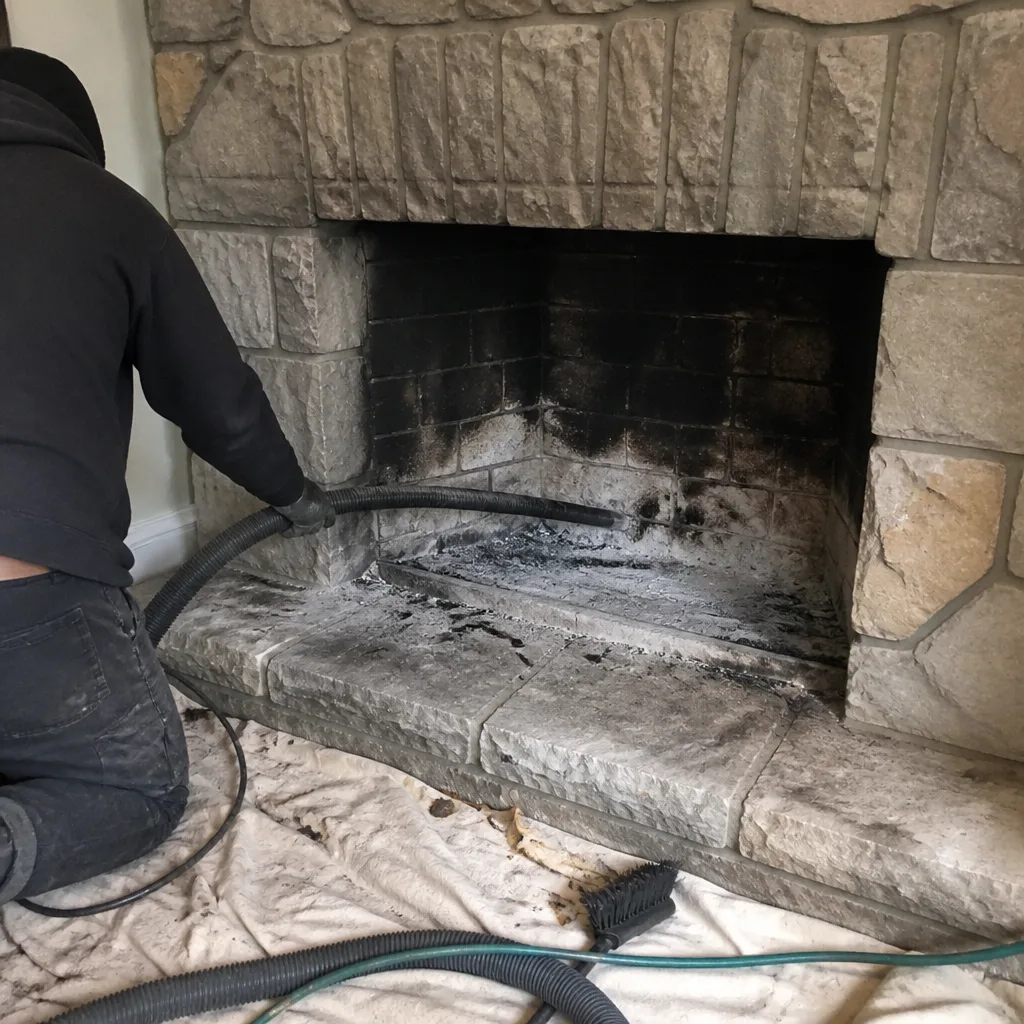 Before
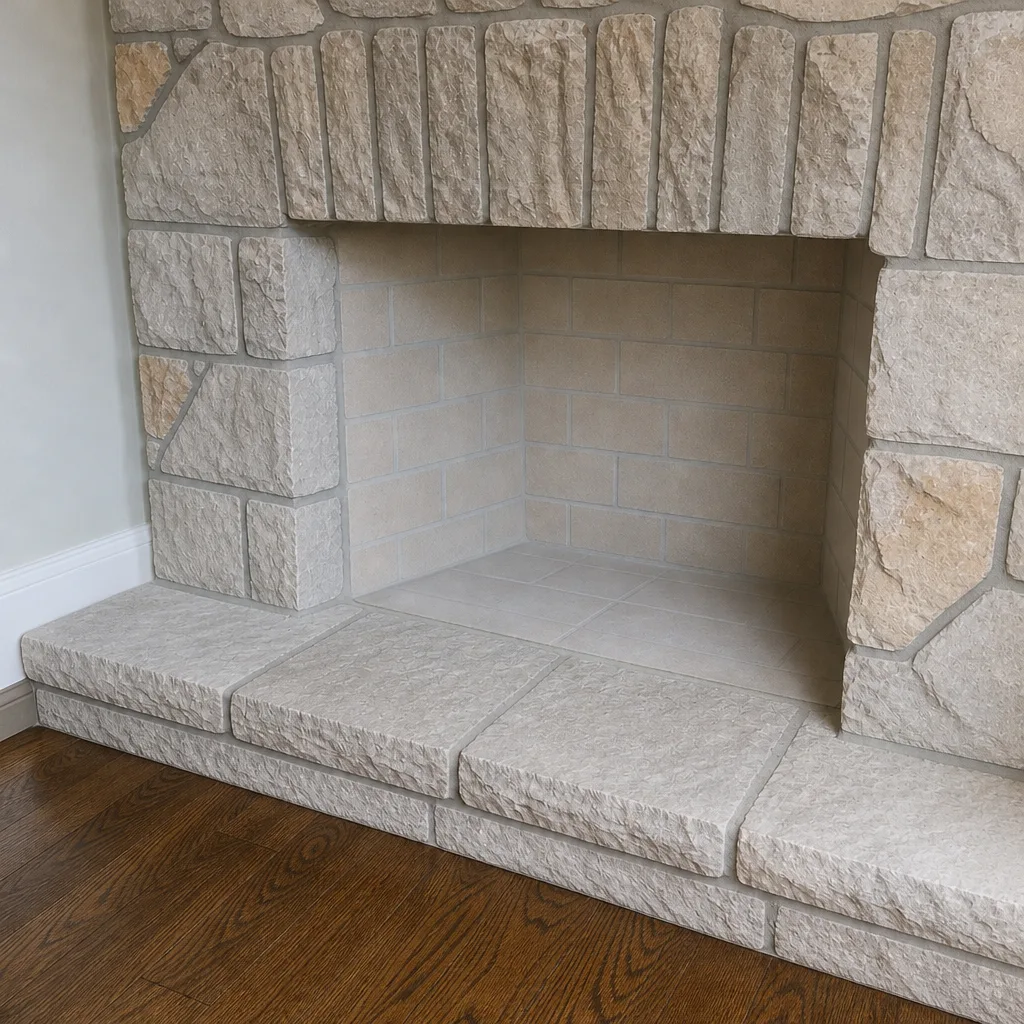 After
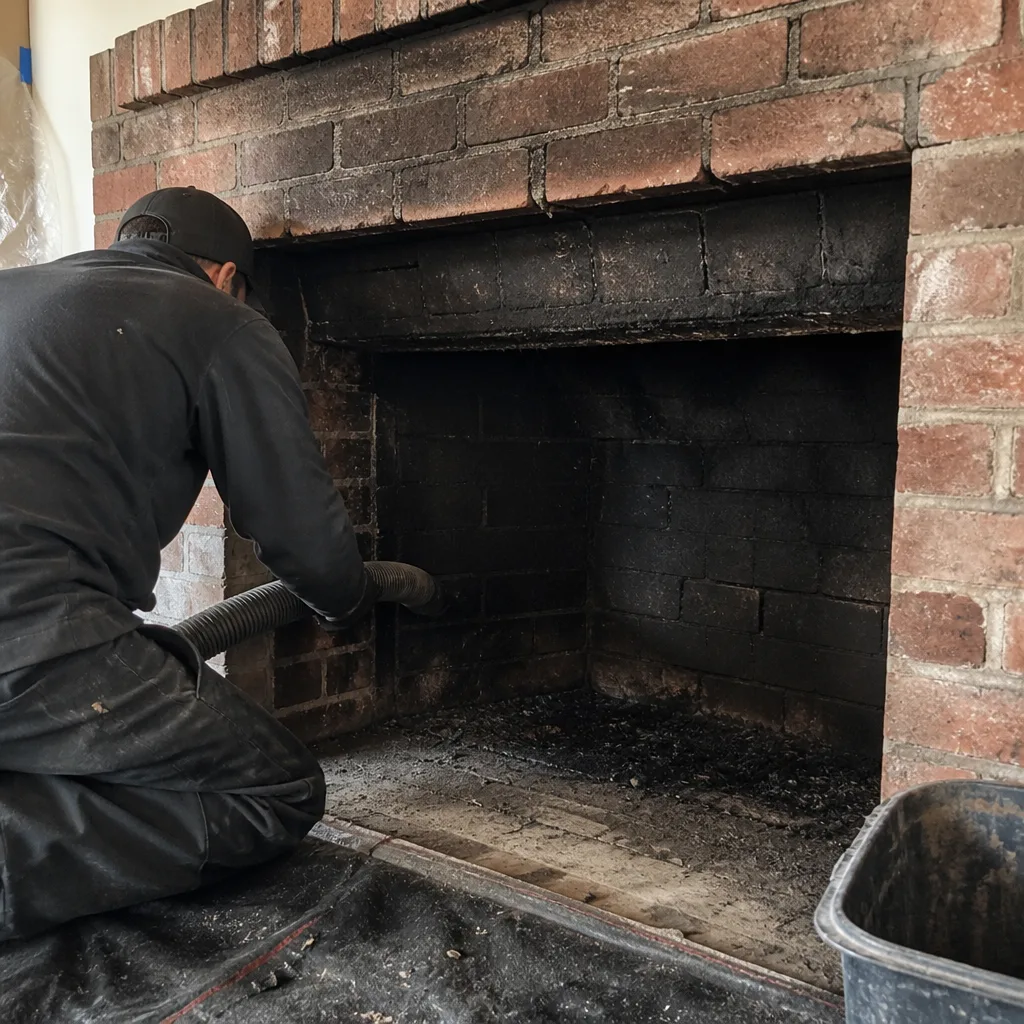 Before
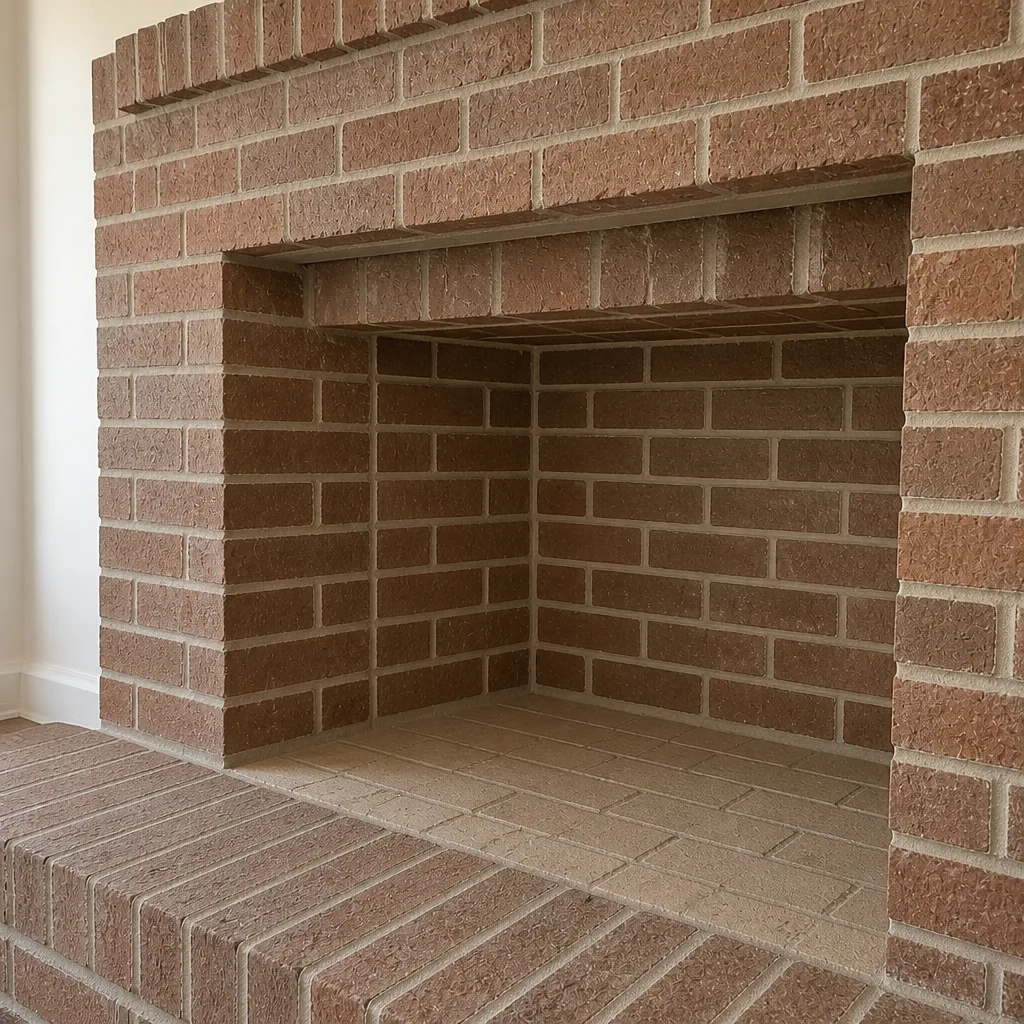 After
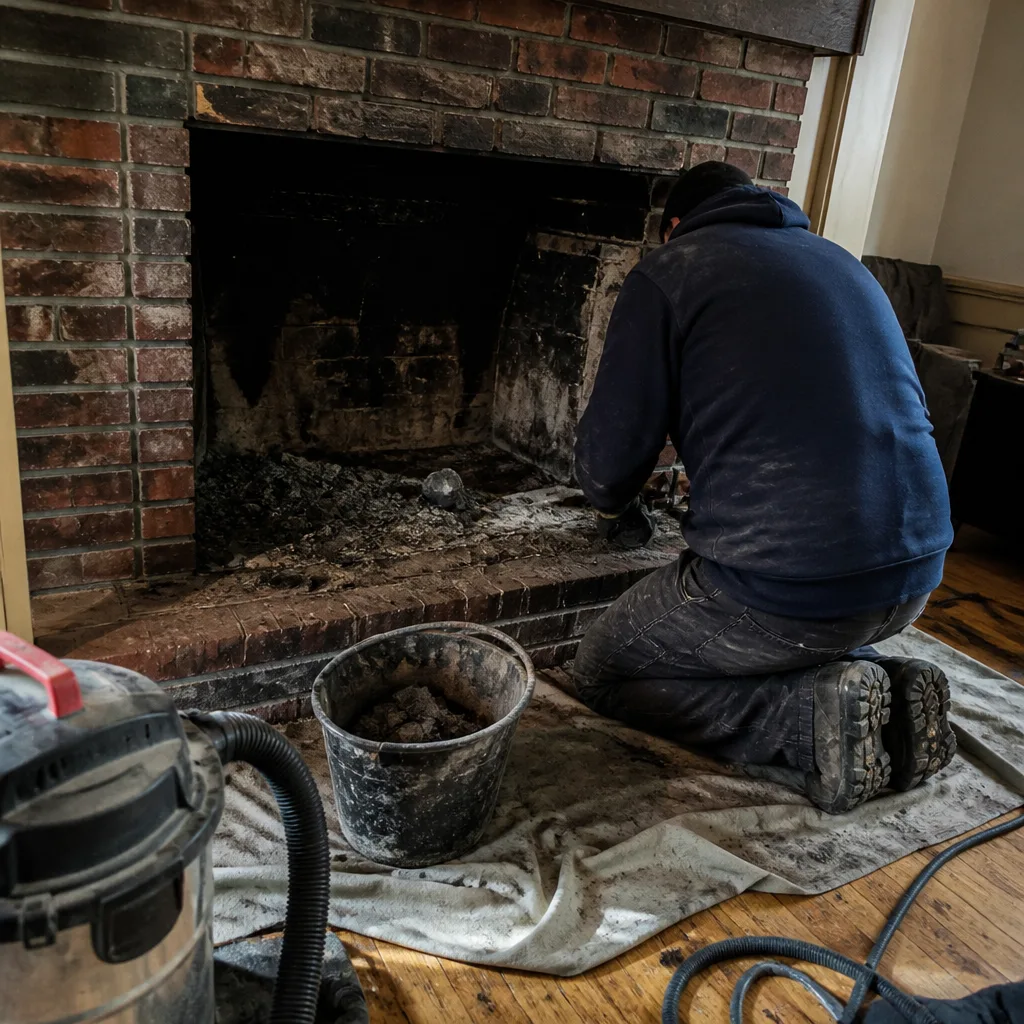 Before
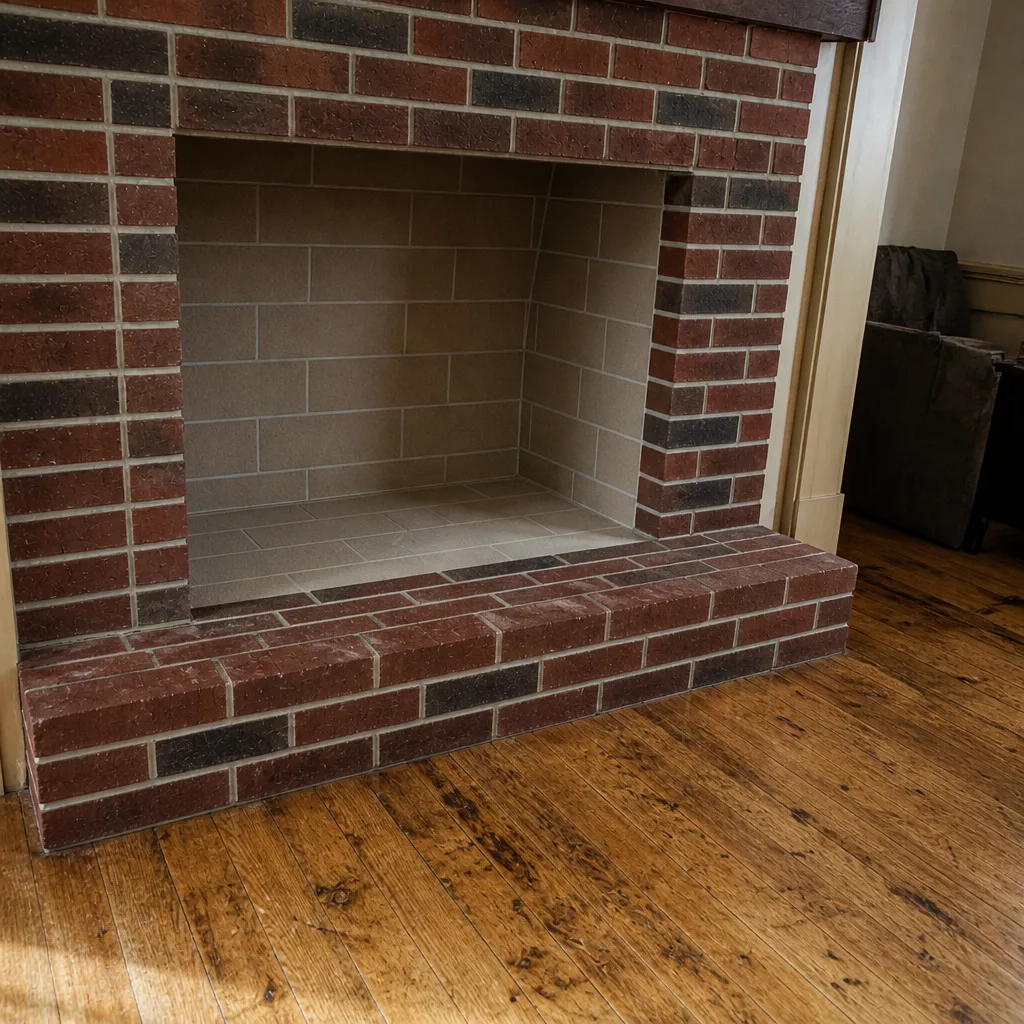 After