
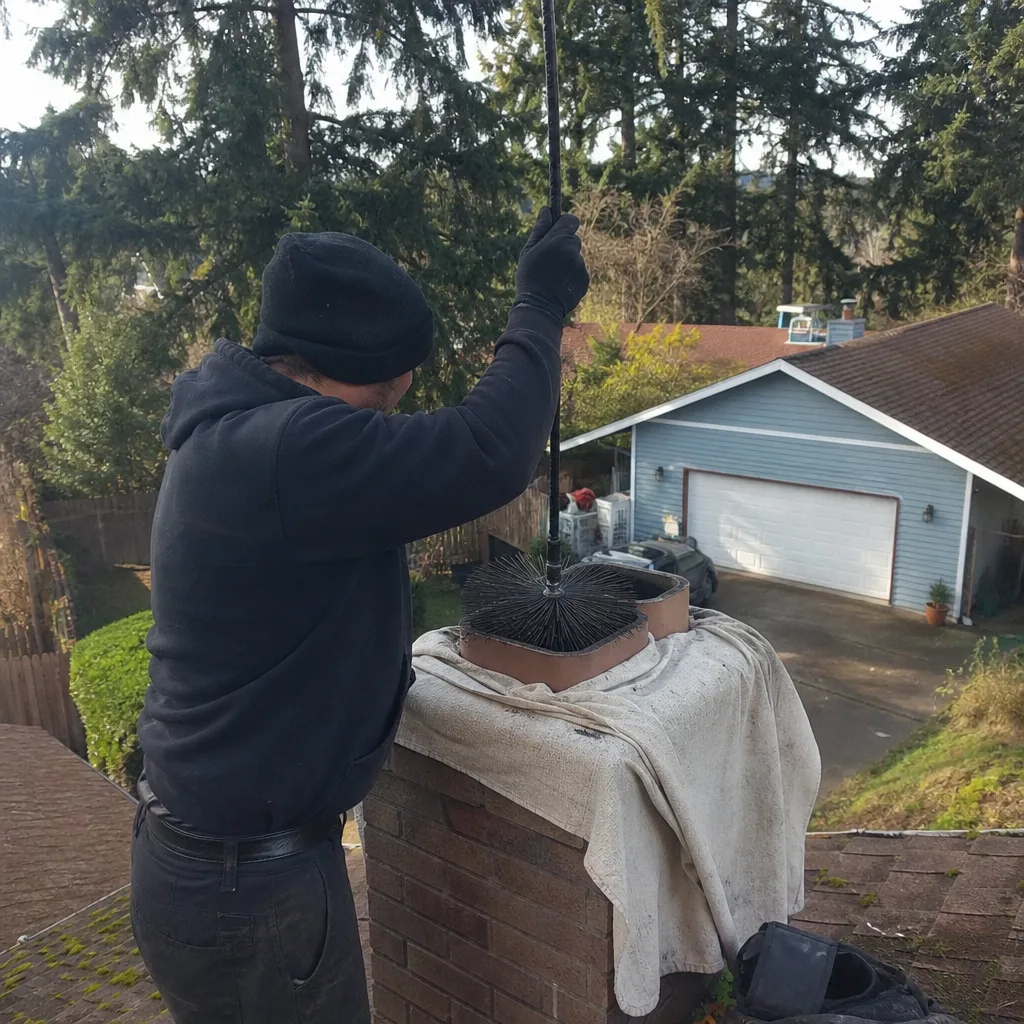
Last updated November 16, 2026
 Sweep & inspection
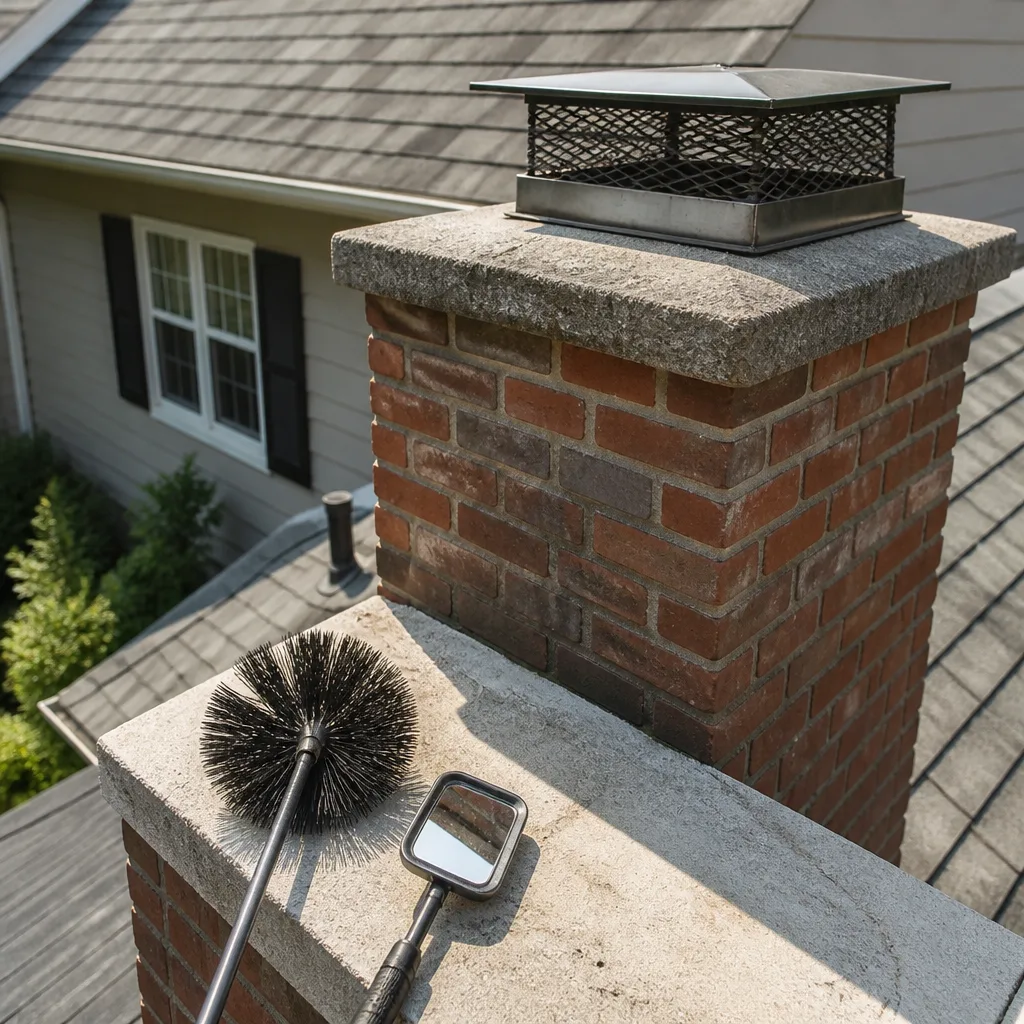
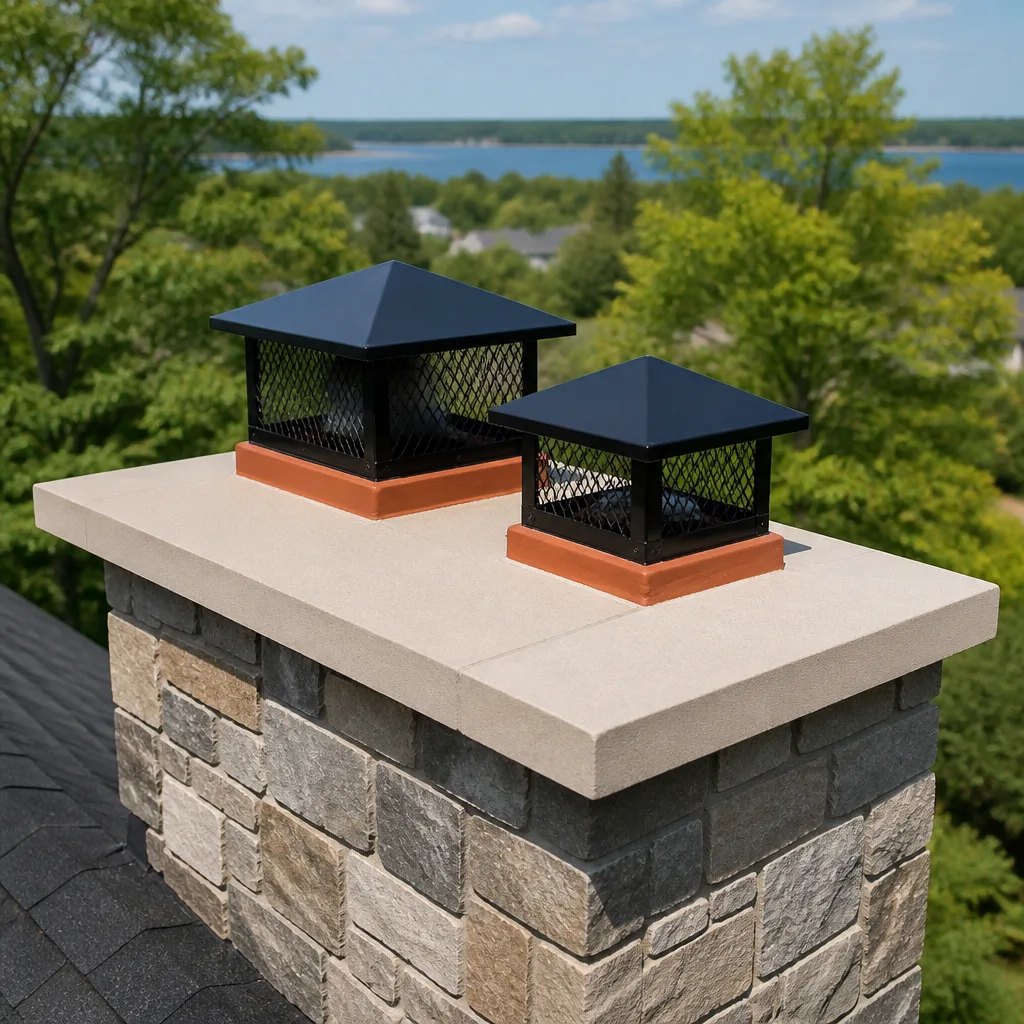 Caps & crowns
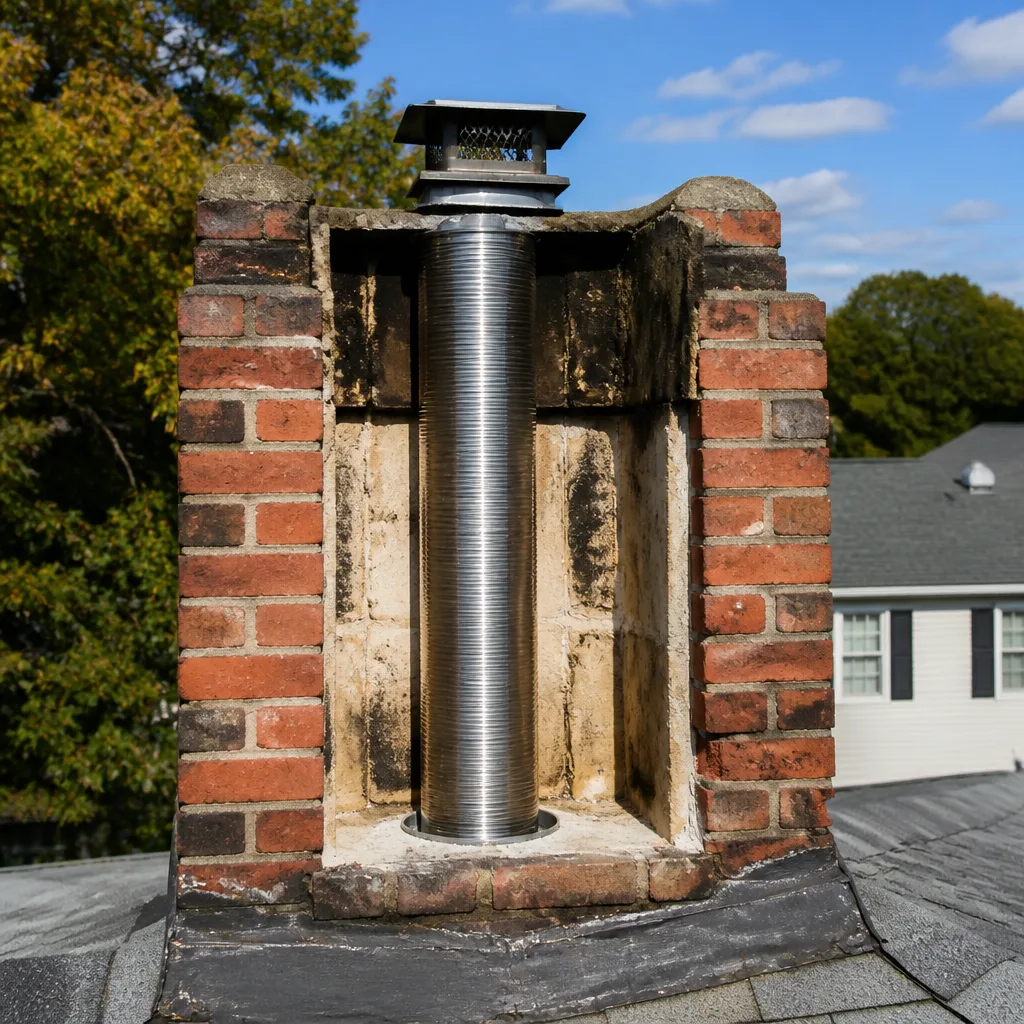 Flue relining
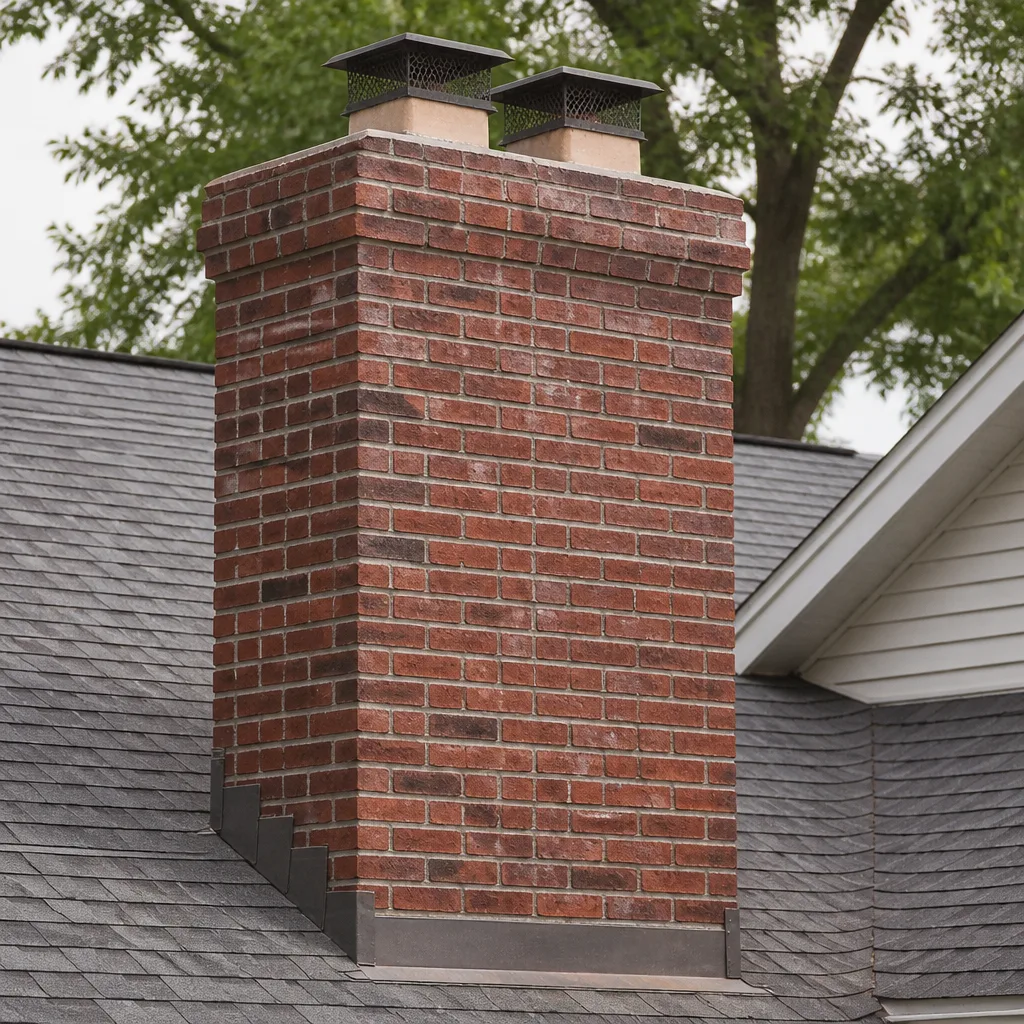 Masonry repair
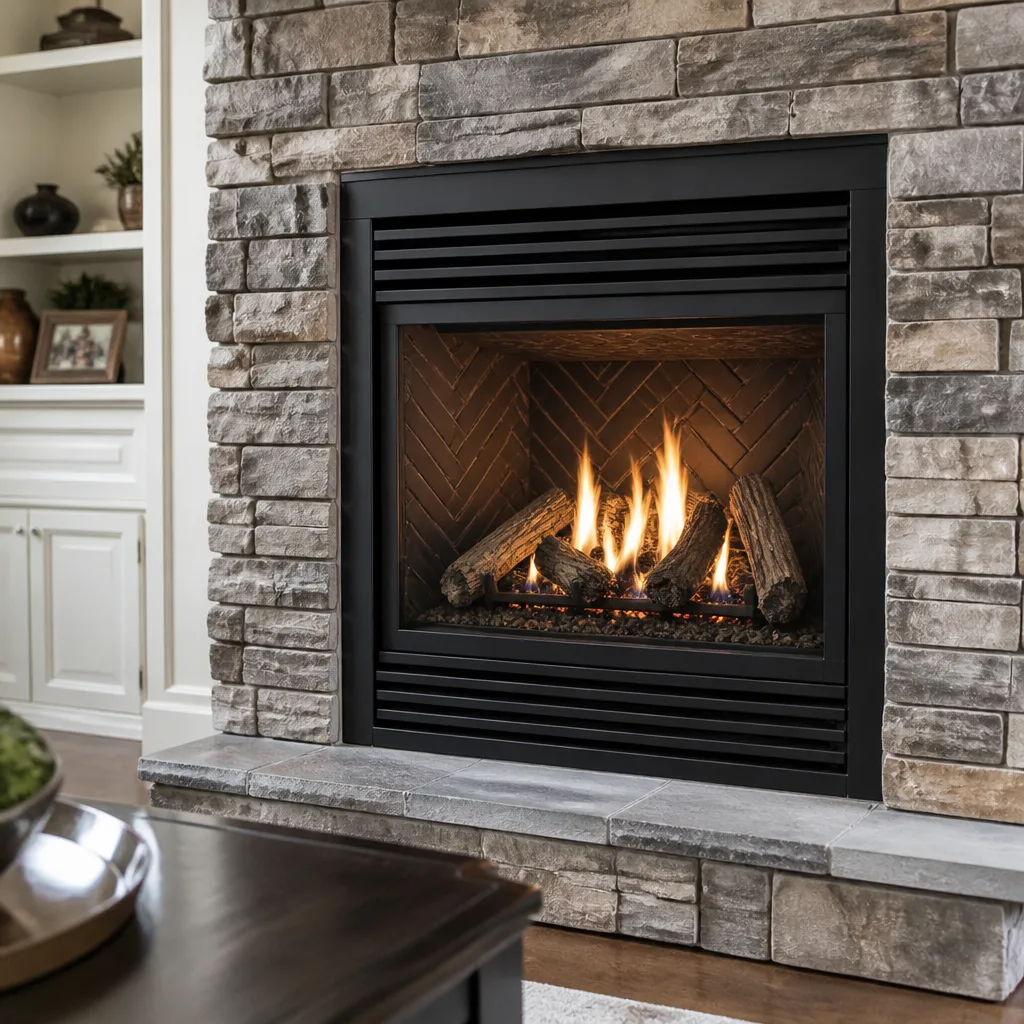 Gas fireplace service
Level 1 sweep and inspection to the NFPA 211 annual standard - flue, crown, cap, and flashing checked and photographed
Chimney sweep logs do not sweep chimneys. They loosen some creosote - which then falls where a brush and vacuum still have to collect it.
Chimney Cleaning Emergency Preparedness Guide for Renton Homes
A chimney fire can reach 2,000°F inside the flue within seconds of ignition. Most homeowners don’t recognize one is happening until they hear the roaring sound, and by that point the clay liner may already be cracked. The gap between a recoverable scare and a structural loss almost always comes down to the decisions made in the first ten minutes. This guide walks Renton homeowners through those minutes: how to spot a flue fire in progress, what to do in order, how carbon monoxide sneaks into living space through a damaged chimney, and what to have ready before burn season. It’s written for people who heat with wood, gas, or pellets and want the job done right.
Quick Answer
If you suspect a chimney fire in Renton, get everyone out of the house, call 911, and don’t put water on the fire or close the damper until you’ve cut off the air supply correctly and the fire department has been notified. After any chimney fire, the chimney needs a Level 2 inspection before you burn again. Before burn season, have the flue swept and inspected so creosote never builds to the point where ignition is possible.
Styles & brands we work with
- Sweep & inspection
- Caps & crowns
- Flue relining
- Masonry repair
- Gas fireplace service
Table of Contents
- How do you know a chimney fire is happening right now?
- What should you do in the first ten minutes of a chimney fire?
- How does a blocked or damaged chimney push carbon monoxide indoors?
- What do you tell the fire department, and what happens next?
- What does a post-fire Level 2 inspection cover?
- What should every Renton wood-burning home have ready before burn season?
- Why does Renton’s burn season make fall the right time to prepare?
- Common mistakes to avoid
How do you know a chimney fire is happening right now?
A chimney fire announces itself in ways that are easy to mistake for normal burning until you know what to listen and look for. The problem is that a slow, smoldering fire in the flue can burn for a long time without the dramatic cues, quietly cooking the liner from the inside. Recognizing the signs early is the whole game.
What a full chimney fire usually sounds like and looks like:
- A low, roaring rumble that sounds like a freight train or a distant jet, often louder than the fire in the firebox should be.
- Popping and cracking that continues after you’ve stopped adding wood.
- Dense, dark smoke pouring from the top of the chimney, sometimes with visible flames or sparks at the crown.
- A hot chimney: the exterior masonry or the metal pipe feels hot to the touch, and the wall near the flue may be warm.
- A strong, acrid, tar-like smell in the room, or a sudden draft pulling smoke back into the house.
- Creosote flakes or pieces of liner landing on the roof or in the yard.
Contrast that with normal combustion: a fire that burns steadily with a visible orange flame, a gentle draft up the flue, and light gray smoke leaving the chimney. If the sound, heat, or smoke changes character suddenly, treat it as real until proven otherwise.
In our experience, the smoldering type is the one that fools people. It may show almost none of the dramatic signs, yet it can be the fire that cracks a clay liner and sets up a carbon monoxide problem months later. That’s one reason we push sweeping before burn season rather than after a scare: a clean flue has less fuel for either kind of fire to feed on.
What should you do in the first ten minutes of a chimney fire?
Order matters. The exact sequence below is the one we want every household to have rehearsed before they ever need it, because mid-fire is no time to be reading about it for the first time.
- Get everyone out of the house. Call 911 from outside or from a neighbor’s phone. People first, property second. Do this before anything else.
- Close the glass doors or the firebox door if you can do it safely on your way out. Cutting oxygen to the firebox starves the fire, but do not linger and do not reach into a hot firebox.
- Do not pour water into the firebox or up the flue. Water on a 2,000°F flue can crack a hot clay liner or send steam and debris back at you.
- Do not close the damper as your first move. A closed damper with an active fire can push smoke and carbon monoxide back into the room. Let the fire department advise on the damper once they arrive.
- If you have a chimney fire extinguisher or a Chimfex-style stick and you know how to use it, follow the manufacturer’s directions only if you can do so without staying in the house. Otherwise, leave it.
- Wait outside until the fire department clears the scene. Do not re-enter to check on belongings.
The single biggest mistake we see is a homeowner who tries to fight the fire alone in the living room and only calls for help after it’s out of hand. A chimney fire can spread into the framing of a Renton-area home faster than most people expect, and the roof and attic are the parts you can’t see from the hearth.
If you’re reading this out of caution rather than crisis, the better move is prevention: a chimney sweep before the first fire of the season removes the creosote that feeds a flue fire in the first place.
How does a blocked or damaged chimney push carbon monoxide indoors?
Carbon monoxide is the quiet half of the chimney emergency story. A flue is supposed to carry combustion gases up and out, and when something blocks or breaks that path, the gases have nowhere to go but into the living space. The dangerous part is that CO gives no warning: no color, no smell, no taste.
The main ways a chimney system sends CO indoors:
- A blocked flue from a bird nest, a collapsed liner section, or heavy creosote buildup that narrows the passage.
- A cracked or spalled clay liner, which lets gases escape into the surrounding masonry and then into the house.
- A failed liner-to-appliance connection, especially on gas inserts and older wood stoves.
- Negative pressure in the house, when a tightly sealed Renton home with a strong exhaust fan pulls flue gases backward down the chimney.
- A damaged or missing chimney cap, which invites debris and water into the flue and starts the blockage process.
Detection matters more than any single fix. Every home with a solid-fuel appliance or a gas insert should have working CO alarms on each level and near sleeping areas. Test them before burn season, not after. If an alarm sounds, treat it as a real event: get out, call 911, and don’t assume it’s a false alarm until the fire department confirms it.
Here’s where the repair side of the trade earns its keep. A chimney that’s pulling poorly or showing CO risk often needs a liner decision, and a flexible DuraFlex liner system is frequently the right answer for the older, offset flues common in the region. A properly sized, properly connected liner restores the draft path and keeps gases where they belong.
What do you tell the fire department, and what happens next?
When the fire department arrives, the most useful thing you can do is give them clear, specific information fast. They’ll ask, and having answers ready helps them work safely and quickly.
What to tell them:
- What you saw and heard: roaring sound, smoke volume and color, flames at the crown, heat on the wall.
- What fuel is burning: wood, gas insert, pellets, and roughly how long the fire has been going.
- What you’ve already done: doors closed, damper position, whether you used an extinguisher.
- Where the chimney runs and what’s adjacent to it: how the flue passes through the attic or roof.
- Any CO alarm activation, and how many alarms sounded.
After the fire is out, the fire department will typically check for extension into the structure and may tell you not to use the chimney until it’s inspected. Take that seriously. Even a fire that looked small can leave a hidden crack in the liner or damage mortar joints inside the flue, and the next fire you light can push gases through that damage.
The standard that follows any chimney fire is a Level 2 inspection. That’s the level that goes beyond a visual glance: it includes the accessible portions of the flue, the attic and roof, and typically a video scan of the liner to find cracks and gaps that aren’t visible from below. Don’t skip it because the fire “seemed minor.” The whole point of a post-fire inspection is that the damage you can’t see is the damage that hurts you.
What does a post-fire Level 2 inspection cover?
A post-fire Level 2 inspection is the checkpoint between the emergency and safely using the system again. It’s not a quick look up the flue; it’s a structured assessment of the components that a fire stresses.
What it covers:
- The flue interior, via camera or video scan, looking for cracked tiles, gaps, and shifted liner sections.
- The firebox and smoke chamber, checking for spalling and damaged refractory material.
- The chimney exterior, looking for cracked masonry, damaged crown, and water intrusion.
- The roof and attic, checking for heat damage near the flue penetration.
- The appliance and connector, confirming the stove or insert is properly joined to the liner.
- The cap and top components, checking that the cap still protects the flue.
What happens after depends on what the scan shows. Minor creosote or soot is a cleaning issue. A cracked clay liner usually means a liner decision, and this is where HeatShield resurfacing or a DuraFlex liner may come into the conversation. HeatShield is a recognized chimney resurfacing system used to restore a damaged flue from the inside, and it’s the kind of repair a general handyman simply can’t offer. DuraFlex flexible liner systems handle the offset or non-standard flues that rigid liners can’t navigate.
You should walk away from the inspection knowing exactly what was found, what it means, and whether it’s urgent or can wait. No surprise recommendations. If a cap is cracked or missing, a replacement like a Gelco or Olympia Chimney cap is a straightforward fix and it protects everything below it. The photos from the scan are yours to keep.
What should every Renton wood-burning home have ready before burn season?
Preparedness is a list you can actually check off. The goal is to have the tools and information in place months before you need them, so the first ten minutes of an emergency run on habit rather than panic.
Have these in place before the first fire:
- A current sweep and inspection. Book the sweep before the season starts, not after the first smoky fire. Creosote is the fuel, and removing it is the front line.
- Working carbon monoxide alarms on every level and near sleeping areas, tested and within their service life.
- Working smoke alarms, tested the same day.
- A chimney fire extinguisher or a Chimfex-style stick stored near the hearth, with the directions read once before you need them.
- An escape plan the whole household has walked through, including where to meet outside.
- A flashlight by the hearth and by the main exit, because a chimney incident often comes with a power problem.
- Seasoned, dry firewood stored away from the house, since wet wood drives creosote buildup.
- The phone number of your chimney specialist and your fire department’s non-emergency line written down, not just in a phone.
The one we see skipped most is the sweep. In our experience, homeowners who’ve had a flue fire almost always admit they let the cleaning slide. The creosote that builds in a neglected flue is what turns a small fire into a 2,000°F event. A Chimney Sweep Renton visit before burn season is the single most effective piece of preparedness you can buy.
Why does Renton’s burn season make fall the right time to prepare?
Renton is a heating-and-cooling climate, and that shapes the chimney year. The ready-for-anything window is late summer and early fall, before the first cold snap gets people reaching for the firewood. The worst time to discover a cracked liner is the night you actually need the fireplace.
What makes the fall window matter here:
- Wood smoke season. The region has quieter-air windows in the cooler months, which means burners pay more attention to how they burn and what comes out of the flue. A clean flue burns cleaner.
- The wet season drives indoor burning. As the rain returns, people spend more time inside and light more fires, so the system carries more load.
- Damp can find its way in. A cracked crown or a failed cap lets water into the flue, which degrades masonry and liner material over the wet months.
- Whole-house pressure changes. Tightly built or recently sealed homes can pull flue gases the wrong way. If your house was tightened up since last winter, check the draft before you trust the fireplace again.
This is why we treat the sweep as a seasonal appointment rather than an emergency call. A clean flue, a sound liner, and a cap that keeps water and animals out are the three things that minimize both chimney fire risk and CO risk in a Renton home. If you’ve noticed a smoky smell on cold starts, a lazy draft, or soot on the firebox glass, those are reasons to book the inspection sooner rather than later. Our technicians have up to 15 years of experience and every job is chimney-only, which matters when the diagnosis depends on reading a flue correctly.
Common Mistakes to Avoid
- Trying to fight the fire alone before calling 911. A chimney fire can move into the framing while you’re still reaching for a bucket. People first, call second, assess third.
- Pouring water down the flue. On a hot clay liner, water can crack the tile and turn a repairable fire into a liner replacement. Don’t do it.
- Skipping the post-fire inspection because the fire “looked small.” The damage that matters is the damage you can’t see, and a Level 2 inspection with a camera scan is how you find it.
- Relying on a general handyman for liner work. A cracked or offset flue needs a specialist’s tooling, like HeatShield resurfacing or a DuraFlex liner, not a patch applied from the top.
- Burning unseasoned wood all season. Wet wood creates more creosote, and more creosote is more fuel for a chimney fire. Dry wood, stored covered and away from the house.
- Never testing CO alarms. A block or a cracked liner can push CO into the house without a puff of smoke. Test the alarms and keep them within service life.
- Ignoring a missing or damaged cap. A cap like a Gelco or Famco model is a small part that prevents a large set of problems, from birds and rain to blocked flues.
See the difference
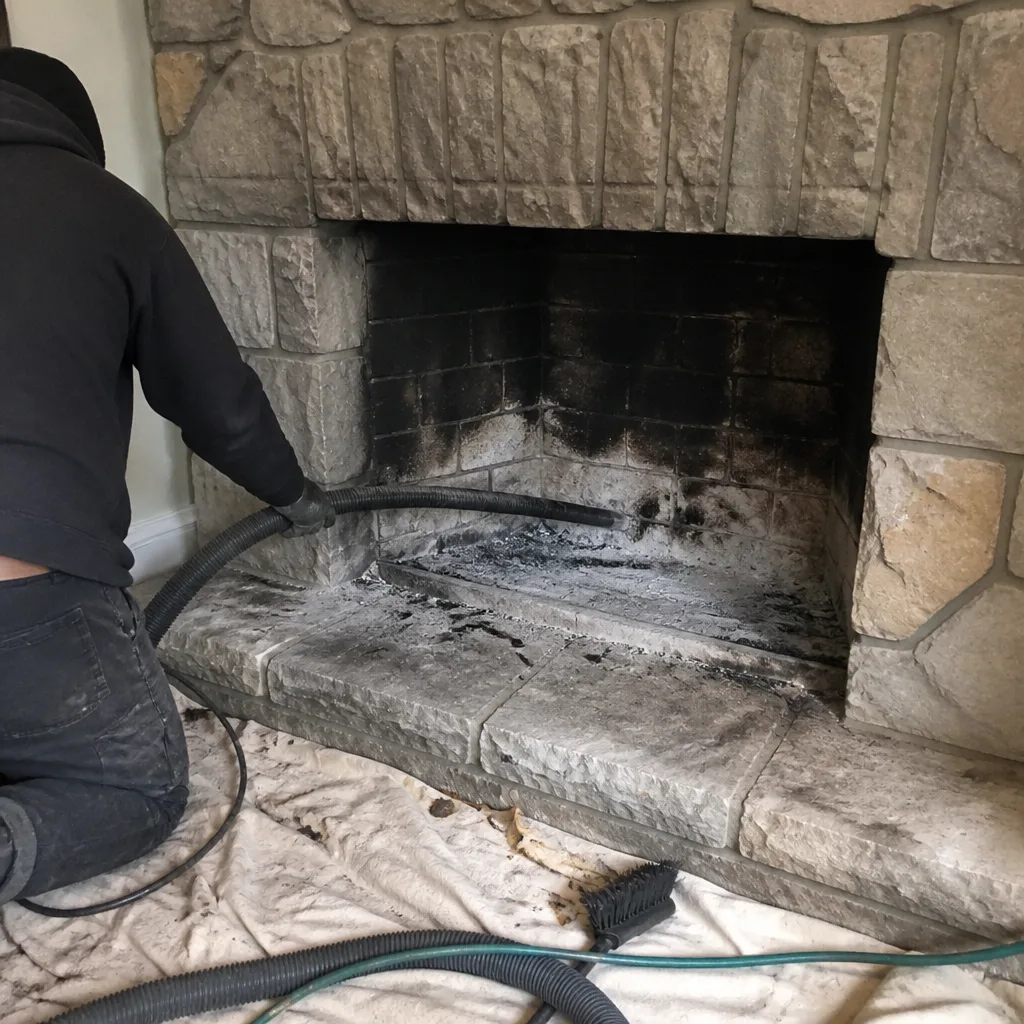 Before
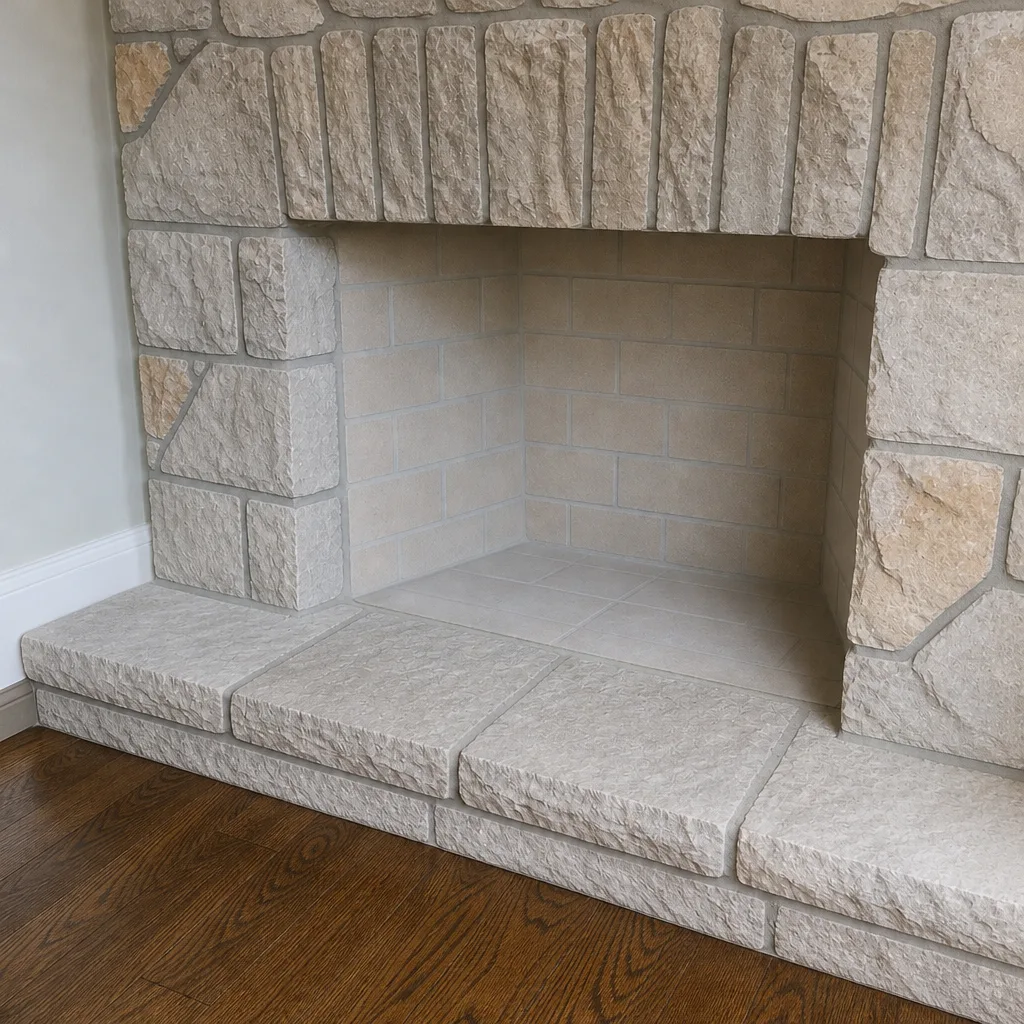 After
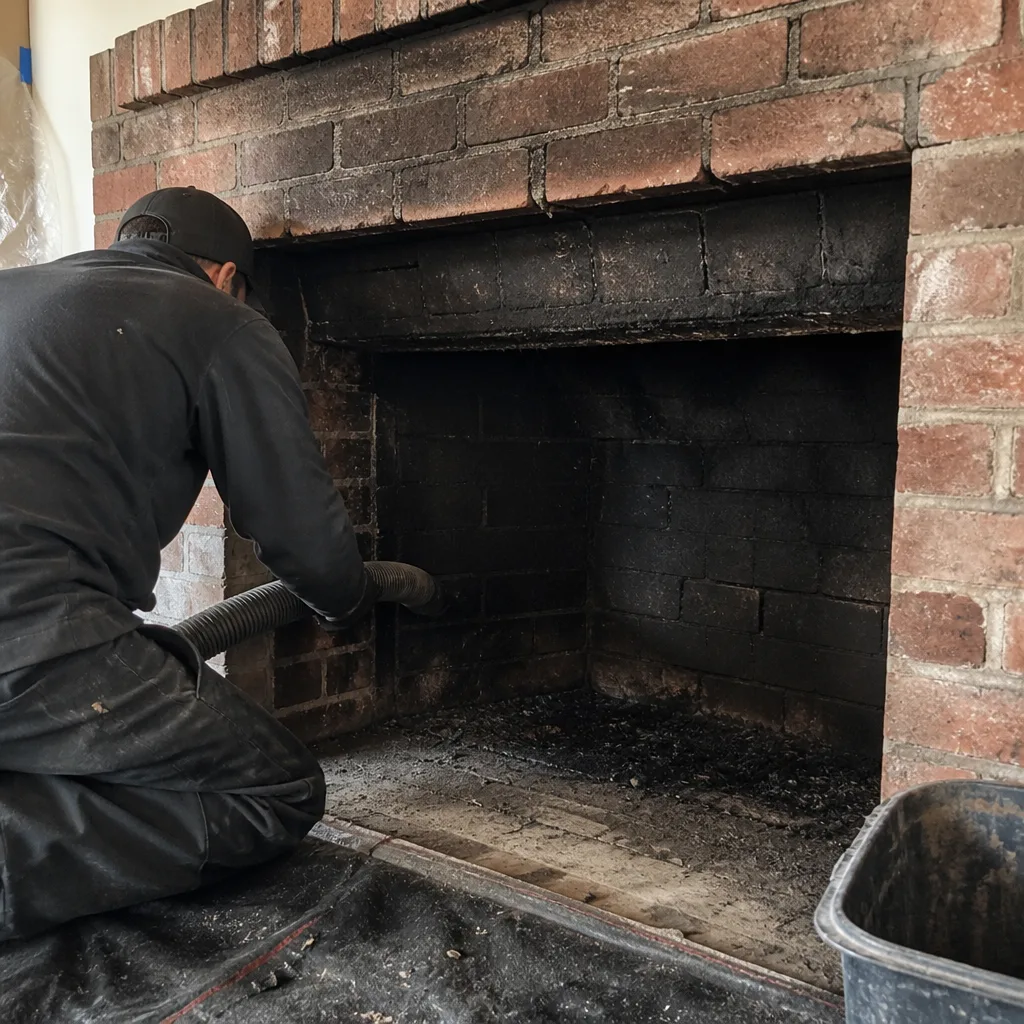 Before
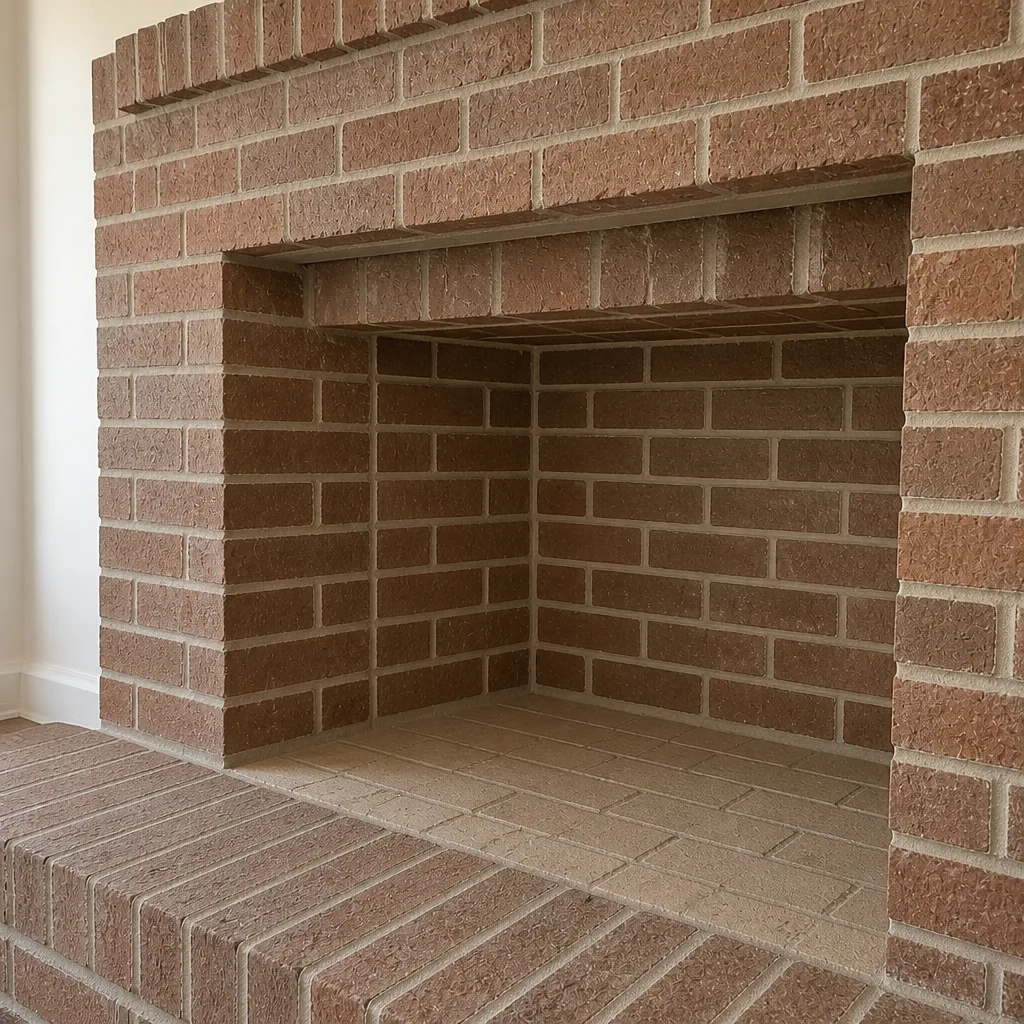 After
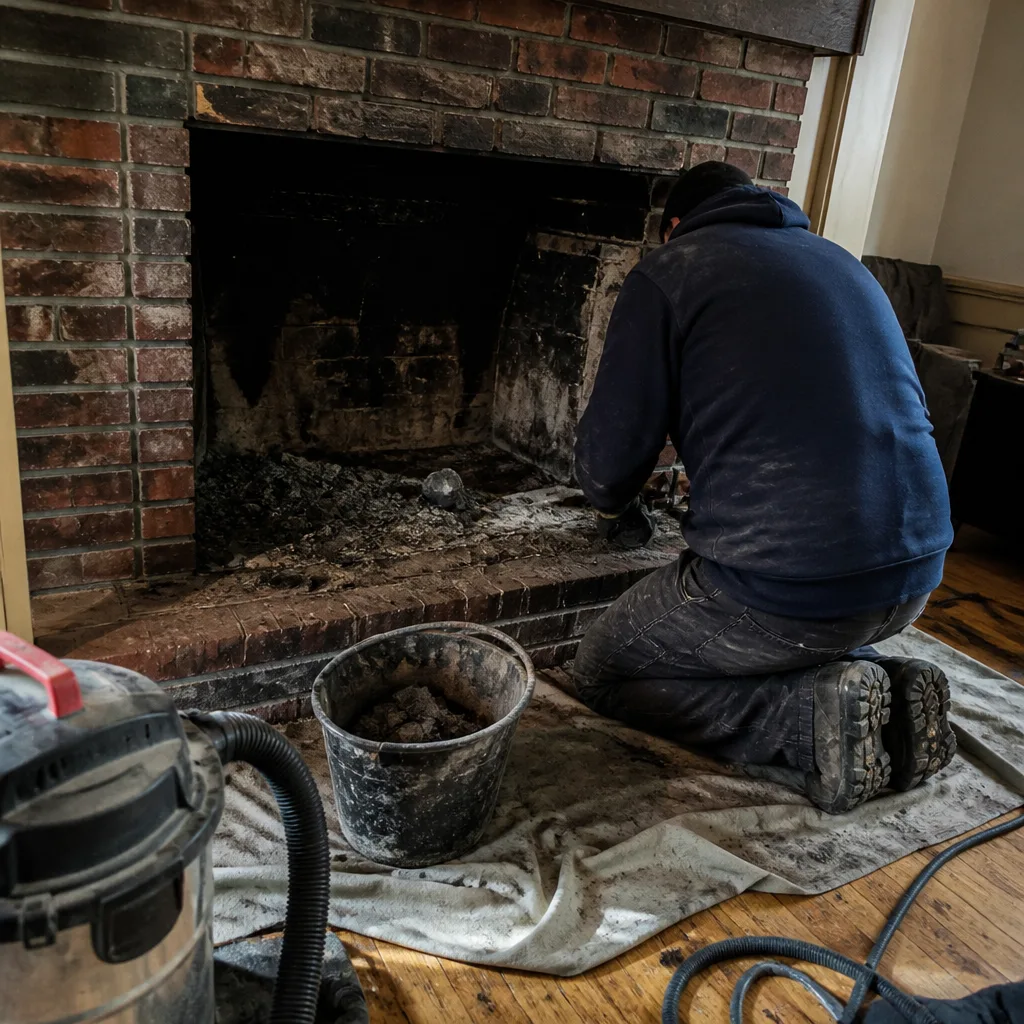 Before
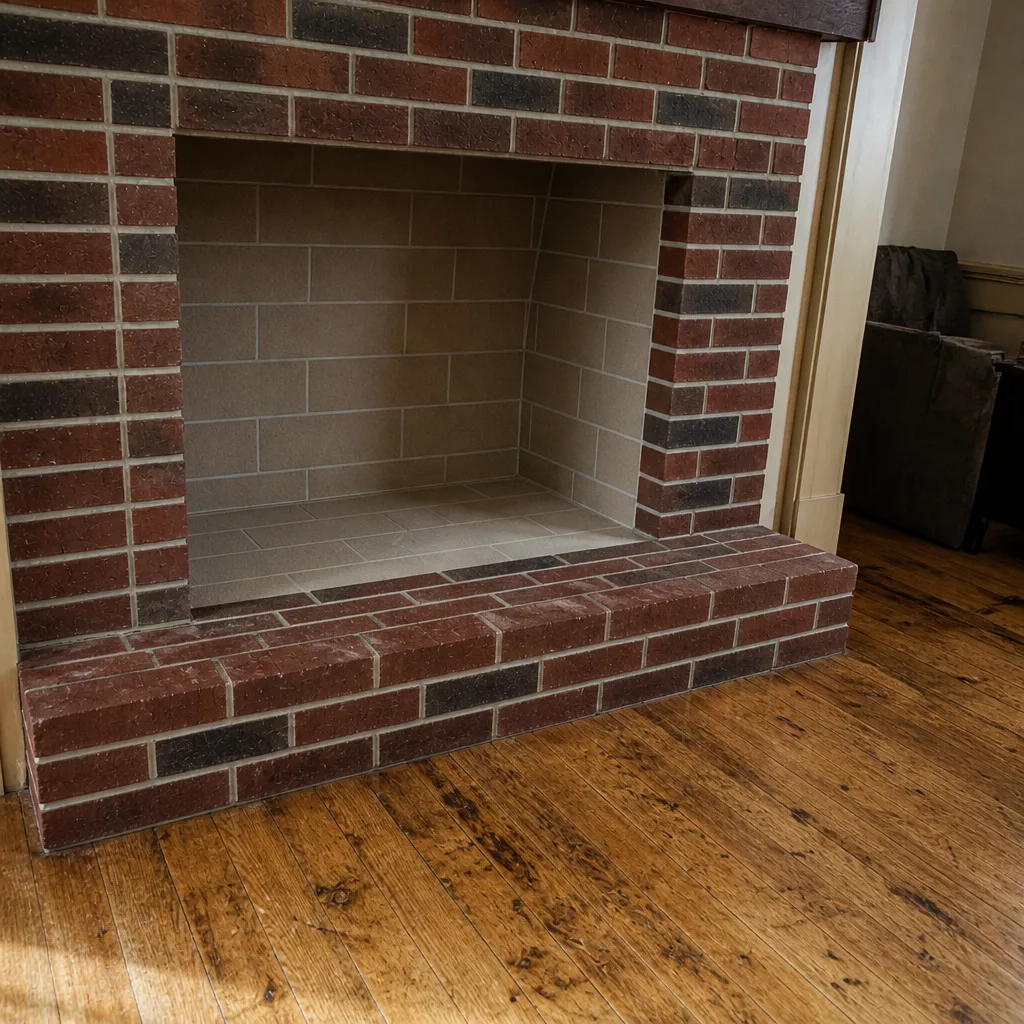 After
When to Call a Professional
Call a professional when you’ve had any chimney fire, no matter how minor it seemed. Call when a CO alarm has sounded, when you smell smoke in the room with the fire burning, when the draft has gone lazy, or when you see cracked masonry, a damaged crown, or flaking creosote. Call if your cap is missing or broken, or if it’s been a season since the last sweep. And call before burn season if you’re unsure when the flue was last cleaned, because the scan answers the question. Chimney Sweep Renton offers free estimates in Renton. Call (833) 754-5974 to book an inspection and settle what you actually need. The written estimate sets the final price, and nothing is recommended without camera evidence you can see for yourself.
Frequently Asked Questions
The clearest signs are a roaring or freight-train sound from the flue, dense dark smoke from the top, popping and cracking after you stop adding wood, and a chimney that’s hot to the touch. Some fires smolder quietly with only a tar-like smell and a draft that turns sluggish. If you suspect one, treat it as real and call 911, then book a Level 2 inspection before burning again. Call (833) 754-5974 and we’ll walk you through what to do next.
Don’t close the damper as your first move, because it can push smoke and carbon monoxide back into the room. Get everyone out, call 911, and follow the fire department’s direction on the damper once they arrive. The safest course is to let trained people handle the fire and leave the damper alone until they say otherwise. Call (833) 754-5974 if you need an inspection after the fact.
Most wood-burning chimneys should be swept once a year, and more often if you burn heavily through the wet months. The practical test is creosote thickness: when buildup reaches roughly an eighth of an inch, it’s time. Gas inserts still need an annual check even though they don’t build much creosote. Book the sweep before burn season rather than after a scare. Call (833) 754-5974 for a free estimate in Renton.
Yes. A cracked or spalled liner lets combustion gases escape into the masonry and then into living space, and a blocked flue does the same by forcing gases back down. CO gives no color, smell, or taste warning, so working alarms on every level are essential. If an alarm sounds, get out and call 911, then book an inspection. Call (833) 754-5974 to schedule a Level 2 scan.
It checks the flue interior with a camera or video scan, the firebox and smoke chamber, the exterior masonry and crown, the roof and attic near the flue, the appliance and liner connection, and the cap. The goal is to find hidden cracks and gaps before the next fire pushes gases through them. You get a plain-language explanation of what was found and whether it’s urgent. Call (833) 754-5974 for a free estimate.
A current sweep and inspection, working CO and smoke alarms, a chimney fire extinguisher near the hearth, an escape plan everyone has practiced, a flashlight by the exit, and dry seasoned firewood. The sweep is the one most often skipped and the one that matters most, because creosote is the fuel for a chimney fire. If it’s been a season since the last cleaning, book it now. Call (833) 754-5974 for a free estimate.
The Bottom Line
A chimney emergency in Renton runs on a ten-minute clock, and the outcome depends on what you’ve prepared beforehand and what you do first. Get people out and call 911 if a fire is underway. Don’t pour water on a hot flue or shut the damper as your opening move. Treat every chimney fire with a Level 2 inspection before burning again, and take carbon monoxide alarms seriously because CO is the risk you can’t see. The best preparedness is the least dramatic: a sweep before burn season, a sound liner, a cap that keeps water and animals out, and a household that knows the plan. If you’re not sure where your flue stands, get it looked at by a specialist. Chimney Sweep Renton handles sweep, repair, and inspection with trade-grade materials like DuraFlex, HeatShield, Gelco, Famco, Olympia Chimney, and Copperfield. We answer 24/7. Fast dispatch from 7am to 7pm, Sunday through Friday.
Call (833) 754-5974 for a free estimate.
Written by the team at Chimney Sweep Renton.