
Last updated November 16, 2026
 Sweep & inspection
 Caps & crowns
 Flue relining
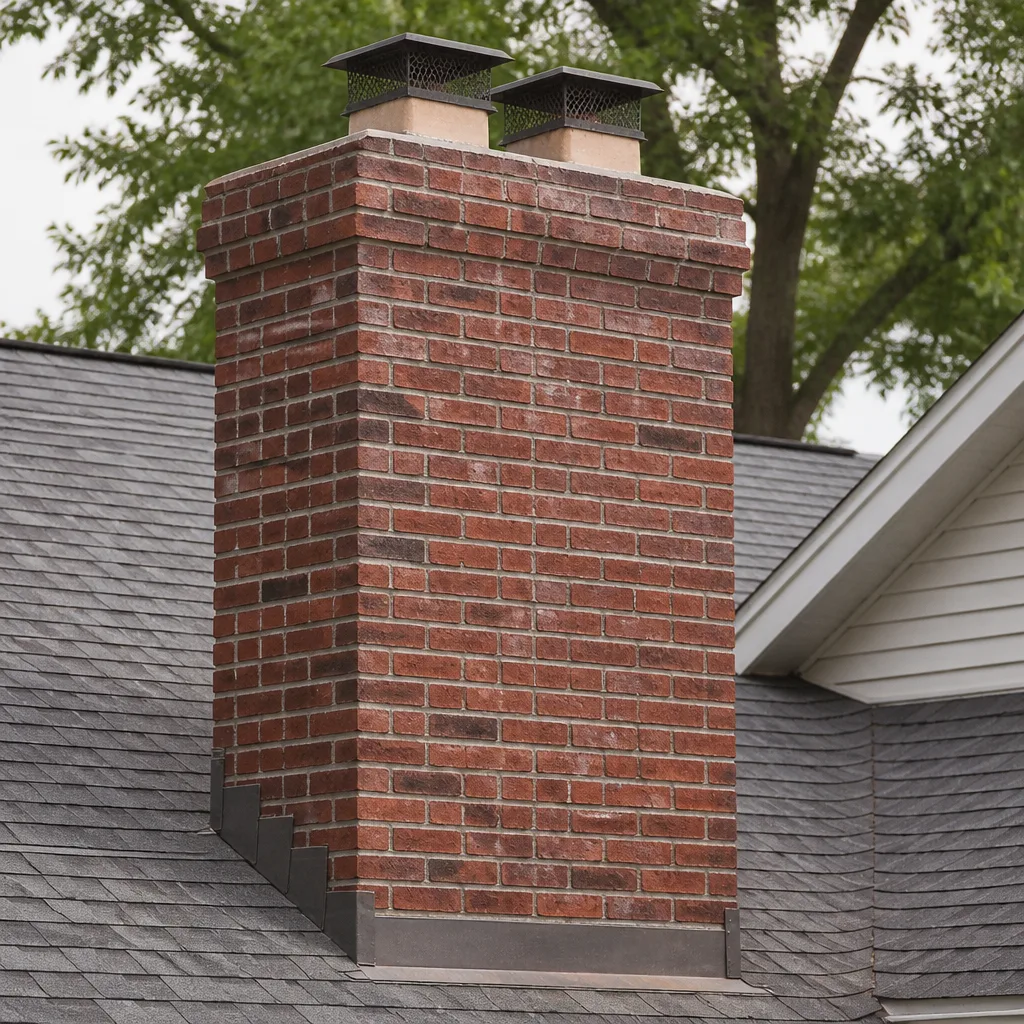 Masonry repair
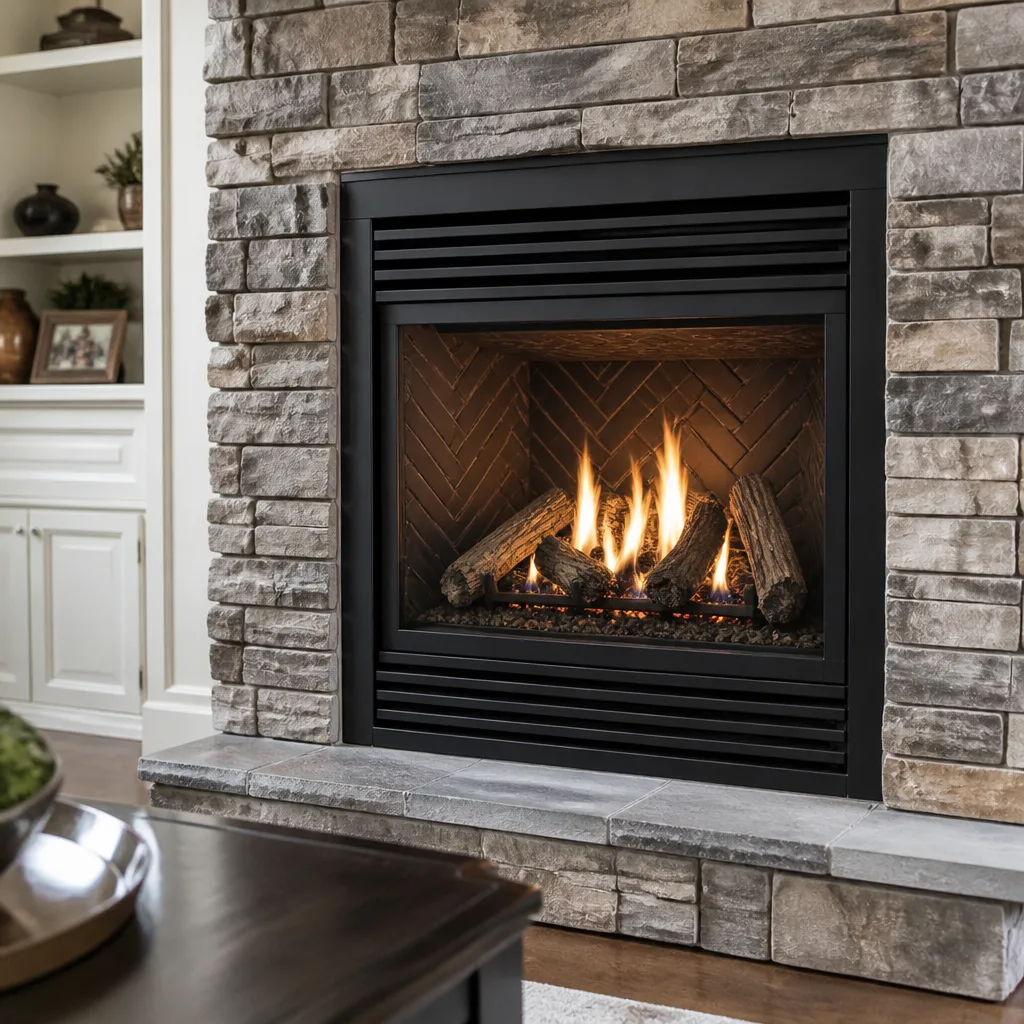 Gas fireplace service
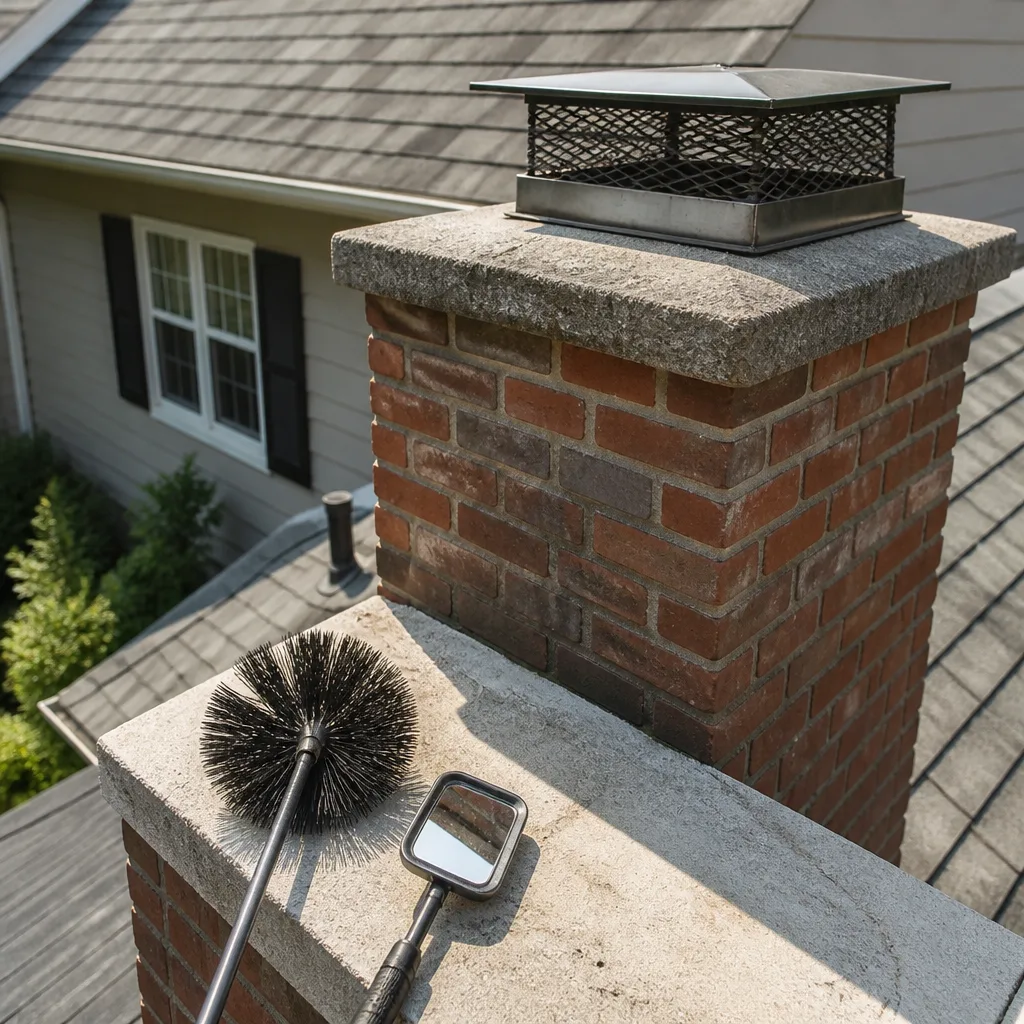
Level 1 sweep and inspection to the NFPA 211 annual standard - flue, crown, cap, and flashing checked and photographed
Chimney sweep logs do not sweep chimneys. They loosen some creosote - which then falls where a brush and vacuum still have to collect it.
Chimney Cleaning Permits, Codes & Inspections in Renton, WA: What You Need to Know
Most homeowners assume the paperwork starts the moment anyone touches a chimney. It doesn’t. A routine sweep in Renton is maintenance, and maintenance needs no permit at all. The confusion shows up later, when a sweep turns into a repair, a cracked crown gets rebuilt, or a liner gets swapped out. That’s the line where King County permitting and Washington’s residential code apply, and it’s the line most people cross without noticing. Work done on the wrong side of it can complicate a sale, an insurance claim, or a safety inspection years down the road. This guide draws that line clearly: what the code actually says, which inspections are required and when, and how to check a contractor’s permits before you sign.
Quick Answer
In Renton, routine chimney cleaning does not require a permit. Chimney repairs, relining, and structural work on the flue or firebox generally do, because they fall under Washington’s residential code (WAC 51-51) and its adoption of the International Residential Code, and King County administers the permit review. A Level 2 inspection is the documented evaluation you’ll want before a home sale, after a chimney fire or other event, or whenever an appliance or fuel type changes. Verifying permits is a matter of public record through King County.
Styles & brands we work with
- Sweep & inspection
- Caps & crowns
- Flue relining
- Masonry repair
- Gas fireplace service
Table of Contents
- Where cleaning ends and permitted repair begins
- How WAC 51-51 applies to fireplaces and chimneys
- What a Level 2 inspection is and when it’s required
- How to verify permits on past work before closing
- Code-compliant vs. code-required: why the difference matters
- What to ask a chimney contractor in Renton
- Common mistakes to avoid
- Frequently asked questions
Where cleaning ends and permitted repair begins
The permit threshold in Renton is not about how much work gets done or how long it takes. It’s about what kind of work it is. Cleaning removes creosote and soot from an existing, unchanged system. Repair changes the system itself, and that’s what triggers review.
Here’s the practical breakdown we walk homeowners through:
- No permit needed: a standard chimney sweep, a creosote removal, a Level 1 visual inspection, and cap or screen replacement where nothing structural changes.
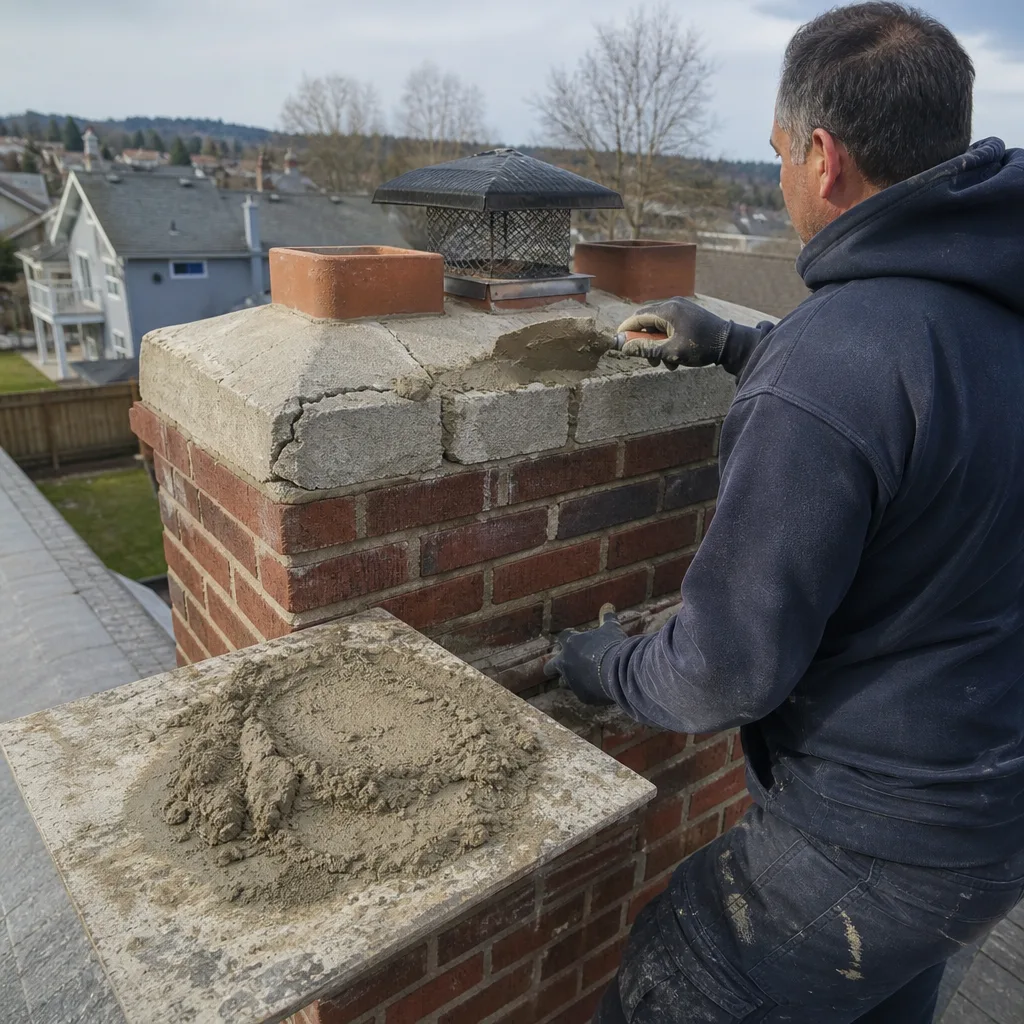
- Permit generally required: relining a flue, replacing a firebox, rebuilding a chimney crown, masonry repair that affects the flue’s containment, and installing or replacing a wood stove or insert.
- Call your building department first: any change to the chimney’s height, any alteration to clearances from combustibles, and any change in fuel type or appliance category. These often need both a permit and a design review.
The reason this matters in Renton specifically is the housing stock. A lot of the city’s older homes have had chimneys modified over the decades, sometimes well and sometimes not. When we open up a flue, we’re often looking at two or three generations of work layered on top of each other. An unpermitted reline from an earlier owner is invisible until someone with a camera goes looking. The current owner inherits the problem and, if they’re selling, the disclosure obligation along with it.
So the useful rule of thumb: if the work changes the chimney rather than just cleaning it, ask whether a permit is required before anyone picks up a tool. If the answer is vague, that’s a sign to slow down.
How WAC 51-51 applies to fireplaces and chimneys
WAC 51-51 is Washington’s residential code, and it adopts the International Residential Code with state amendments. For chimney work, it governs the parts of the system that stop heat and fire from reaching something that can burn: clearances to combustibles, flue lining requirements, hearth extension dimensions, and the structural integrity of the chimney itself.
You don’t need to read the code to understand why it exists. Picture a wood-framed house where a chimney passes through a wall assembly. The code sets a minimum gap between the hot side and the wood. It requires a listed liner inside the flue so that the flue gases stay inside the flue rather than migrating into masonry or framing. It specifies how far the hearth must extend into the room, because embers spill. None of that is bureaucracy. It’s the difference between a system that contains a fire and one that gives it a path.
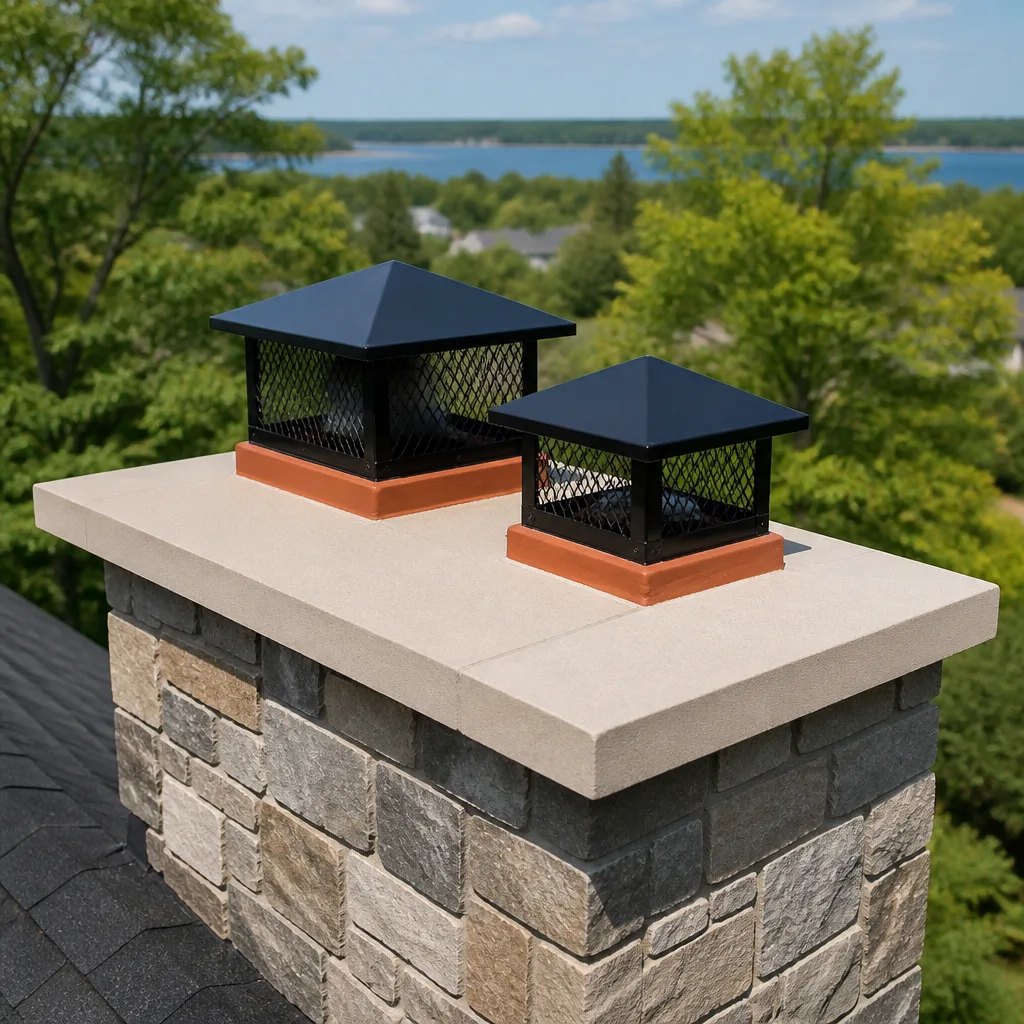
What trips people up is that code language is written for builders, not homeowners. Terms like “listed” and “approved” carry specific meanings. A chimney cap, a liner, and a firebox component all need to be tested and listed to a recognized standard for the application they’re used in. This is one reason we work with named products rather than anonymous parts: a DuraFlex liner system or a Gelco cap is tested as an assembly, and the manufacturer’s instructions become part of the code compliance story.
Washington’s amendments to the residential code also matter for anything involving gas appliances, because venting a gas insert or a gas log set correctly is a different problem than venting wood. Common local code questions that send homeowners to the city’s building department:
- Does replacing a damaged flue tile require a permit, or is a listed liner system the accepted repair?
- Can a wood insert be added to an existing fireplace, and what documentation does the installation need?
- Does capping an unused chimney change anything the code cares about?
- What separation is required between a new exterior chimney and combustible siding?
Those are fair questions, and the answers depend on the specifics of the house. The right move is to ask the city before the work, not after.
What a Level 2 inspection is and when it’s required
A Level 2 inspection is a documented, camera-based evaluation of the entire chimney system, including the parts you can’t see: the interior of the flue, the smoke chamber, the damper, and the connections to the appliance. It follows a recognized standard of care for the trade, and it produces a written report with photos you can hand to a buyer, an insurer, or a contractor.
A Level 1 inspection is the basic visual check that comes with a routine sweep. A Level 2 goes further, into the flue, and documents what it finds. A Level 3 goes further still and covers parts of the system that require access through a wall or other construction to examine.
When a Level 2 is the expected standard:
- Before a home sale. Buyers and their lenders want to know the chimney is what it appears to be. A documented inspection answers that in a way a verbal “it looked fine” cannot.
- After a chimney fire or suspected chimney fire. Damage can be hidden behind an intact-looking exterior.
- After an earthquake or other event that may have shifted the structure. The Pacific Northwest is active, and a chimney that’s separated from the house is a real hazard.
- When the appliance or fuel changes. Switching to a new insert, a different appliance category, or a new fuel source all warrant a fresh look at the venting.
- When a previous inspection found problems or a previous sweep flagged something.
Here’s the part that matters for Renton homeowners: an inspection report is only as useful as the person producing it. Look for someone who can explain what they found, show the photos, and translate the code language into plain terms. The report should tell you what’s fine, what needs attention now, and what can wait. In our experience, that last category is bigger than most contractors let on.
Weather plays a role in timing. Renton gets plenty of rain through the fall and winter, and a wet flue, a cracked crown, or a deteriorating cap all get worse with moisture. If a Level 2 inspection is on your list before burning season, it’s better to have it done while there’s still time to schedule the repair, rather than discovering a problem in the middle of the first cold snap.
How to verify permits on past work before closing
If you’re buying a house in Renton, or you’ve already bought one and you’re wondering what was done to the chimney, permit records are public. Checking them is straightforward and worth doing before closing, while you still have negotiating leverage.
Here’s the process in order:
- Ask the seller for documentation. Request any permits, inspection reports, receipts, and manufacturer paperwork for chimney work done during their ownership. Some sellers will have a folder. Many won’t, and that’s the first signal.
- Pull the permit history from King County. Look for permits on file for the property that match chimney, masonry, or fireplace work. A missing permit for visible work is a question worth asking.
- Have a Level 2 inspection done independently. Don’t rely solely on the seller’s inspection. A camera-based look inside the flue tells you whether the work was done correctly, which the paper record alone can’t confirm.
- Compare the report against the permits. If a permit shows a reline and the inspection shows an unlined or damaged flue, the paperwork and the physical reality don’t match. That’s a negotiation point.
- Get a written scope and estimate for anything that needs correcting. That gives you a number to bring to the table rather than an open-ended worry.
Real estate agents in Renton are familiar with this dance, and a clean documentation package makes a listing easier to move. From the buyer’s side, an unpermitted reline isn’t automatically a dealbreaker. It’s a known condition with a known cost, and the fix is often more straightforward than the fear suggests. The important thing is that the work gets properly documented and, where the code requires it, permitted, so the record is clean for the next sale.
One more thing worth checking: whether the chimney’s location and clearances have been altered by any additions to the house. A new deck, a re-roof, or a room addition can change the relationship between the chimney and combustible materials. That’s the kind of change that doesn’t show up in a permit search unless someone applied for the right one.
Code-compliant vs. code-required: why the difference matters
Code sets a floor, not a ceiling. A chimney can meet the letter of the residential code and still be a poor installation that will need attention sooner than it should. This distinction is the most useful thing to carry into any conversation with a contractor.
Here’s how we think about it in our own work:
- Code-required is the minimum the law demands. Clearances to combustibles, a properly sized and listed liner, a hearth of adequate size, a cap or screen. If any of these are missing, the work isn’t legal, and no responsible contractor should sign off on it.
- Code-compliant means the installation meets the floor and will pass inspection. That’s the baseline.
- Built beyond the floor means the materials and methods add margin. A DuraFlex liner system sized and installed for the specific flue, a HeatShield resurfacing of the smoke chamber rather than a patch, a Gelco or Copperfield cap chosen for the actual flue dimension and local weather. The code doesn’t demand premium materials, but a good contractor uses them because the work has to last.
This matters in a place like Renton, where the climate is wet and the seasonal swing between a cold, damp winter and a warmer summer works on a chimney year after year. Thermal cycling opens hairline cracks in mortar and crowns; moisture gets in and freezes; the damage widens. A material chosen only to pass inspection may not hold up as well as one chosen for the conditions. That’s not a sales pitch. It’s why we use named products: they have a tested performance history, and we can point to what the manufacturer says about them.
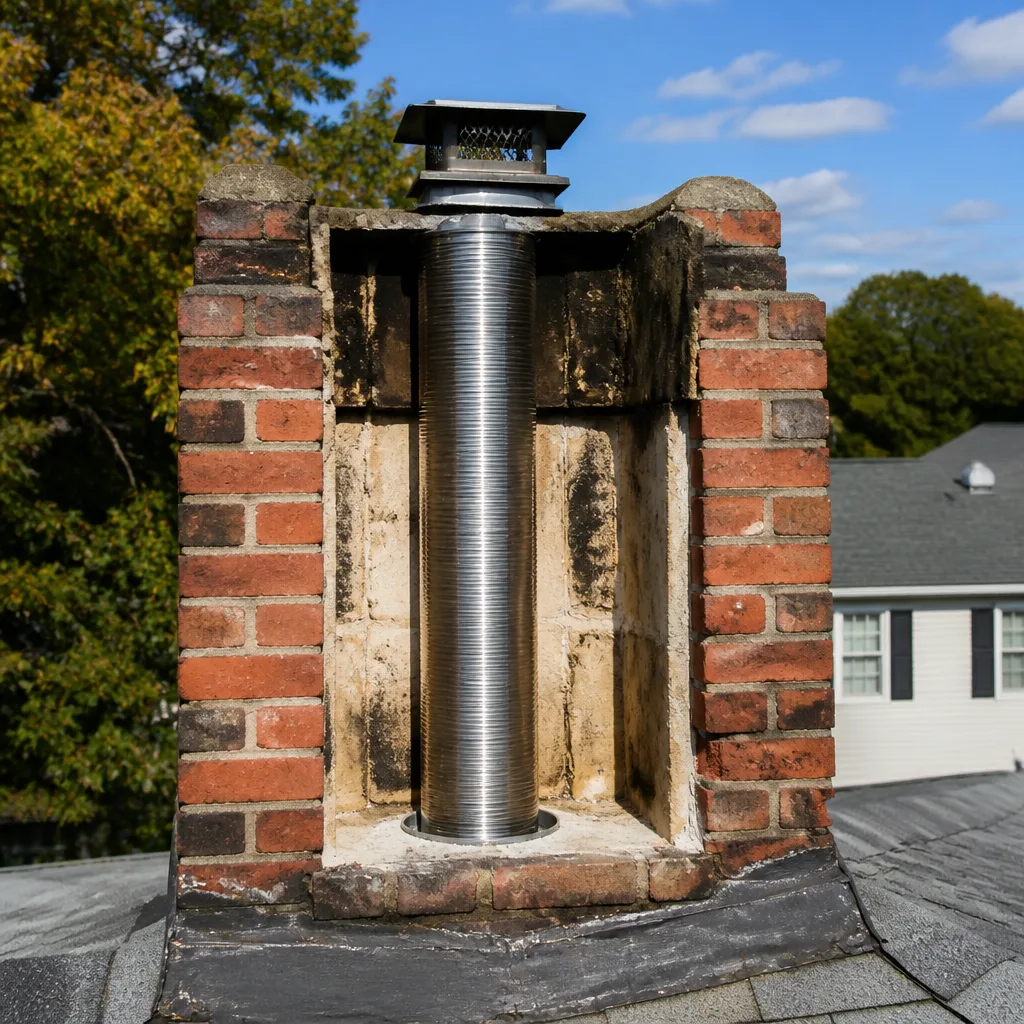
A word on the flue itself. Older houses in and around the Renton Highlands and the older neighborhoods near downtown frequently have offset flues or non-standard configurations that rigid liners can’t accommodate. A flexible liner like DuraFlex exists for exactly that problem. When a contractor says rigid is the only option, it’s worth a second opinion, because the alternative may be demolition work that isn’t actually necessary.
The practical takeaway: don’t ask whether a contractor’s work is code-compliant. Ask what the code requires, what they’re proposing, and where their proposal goes beyond the minimum. A straight answer tells you a lot about who you’re dealing with.
What to ask a chimney contractor in Renton
The single most useful protection you have is a contractor who can answer plain questions about permits, documentation, and scope. A specialist who works only on chimneys usually can. A generalist splitting attention across unrelated trades often can’t, and that gap shows up in the paperwork.
Our recommended list of questions:
- Which parts of this job need a permit, and who pulls it? The answer should be specific, not a shrug.
- Will I get a written inspection report with photos? Camera documentation is standard for a Level 2 and is the only way you can see what the contractor sees.
- What’s included in the price, and what would change it? The written estimate should name the products and the scope. No surprises on the invoice.
- Which products will you use, and can you tell me why? A contractor who names DuraFlex, HeatShield, Gelco, or Copperfield and explains the choice is showing real knowledge. A contractor who answers “the standard kind” is not.
- What can safely wait, and for how long? Honest answers here are gold. Some issues are urgent; many are not.
- Who certifies the inspection, and what does the report follow? The report should follow a recognized standard and be explained in language a homeowner can act on.
Our technicians have up to 15 years of experience, and the questions above come from the situations we see most often. The homeowners who ask them tend to end up with work that holds up and paperwork that’s clean. The ones who don’t often end up calling us to sort out the last contractor’s work, which is more expensive than doing it once with a documented scope.
A dedicated chimney specialist handles the sweep, the repair, and the inspection, so the findings from one inform the others. That continuity is a big part of why the paperwork is reliable. When the same focused team is on the tools, the story holds together. You can read more about chimney sweep basics and chimney repair scope on our service pages.
See the difference
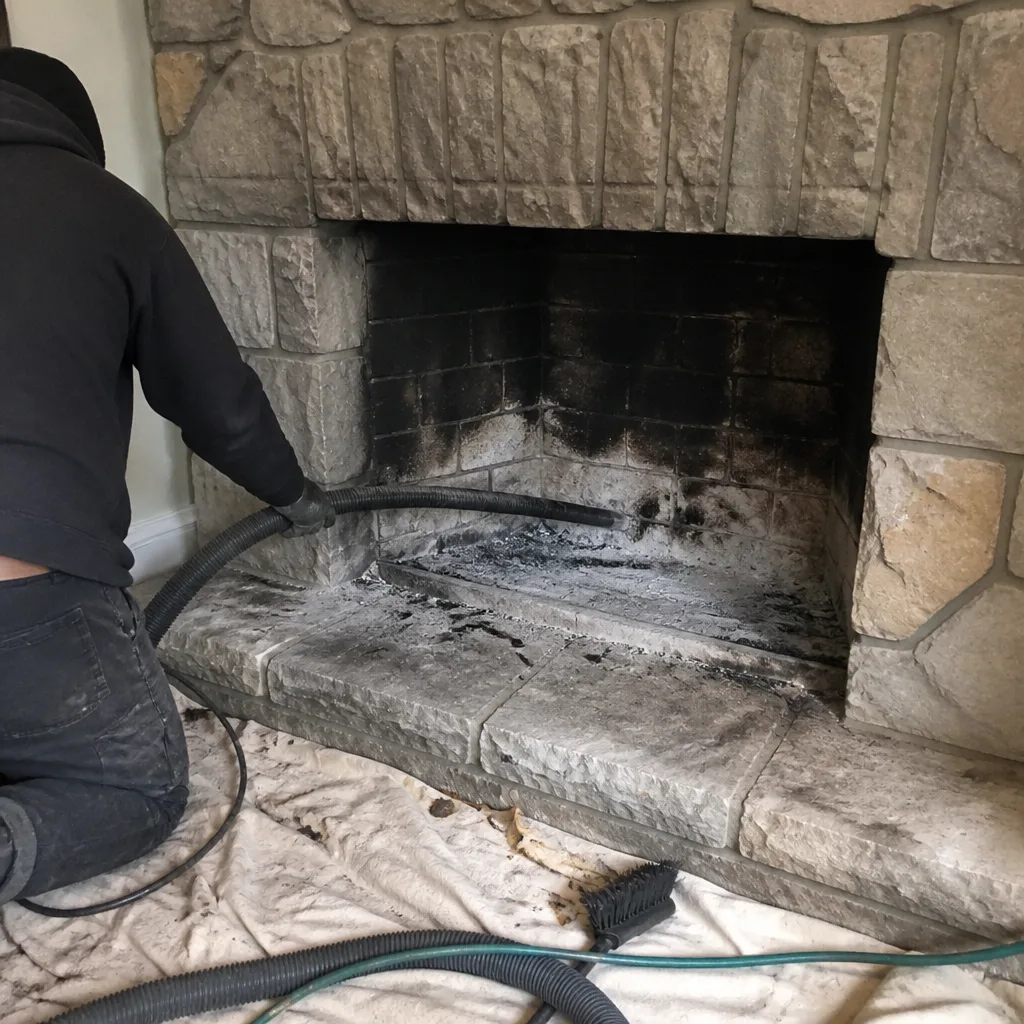 Before
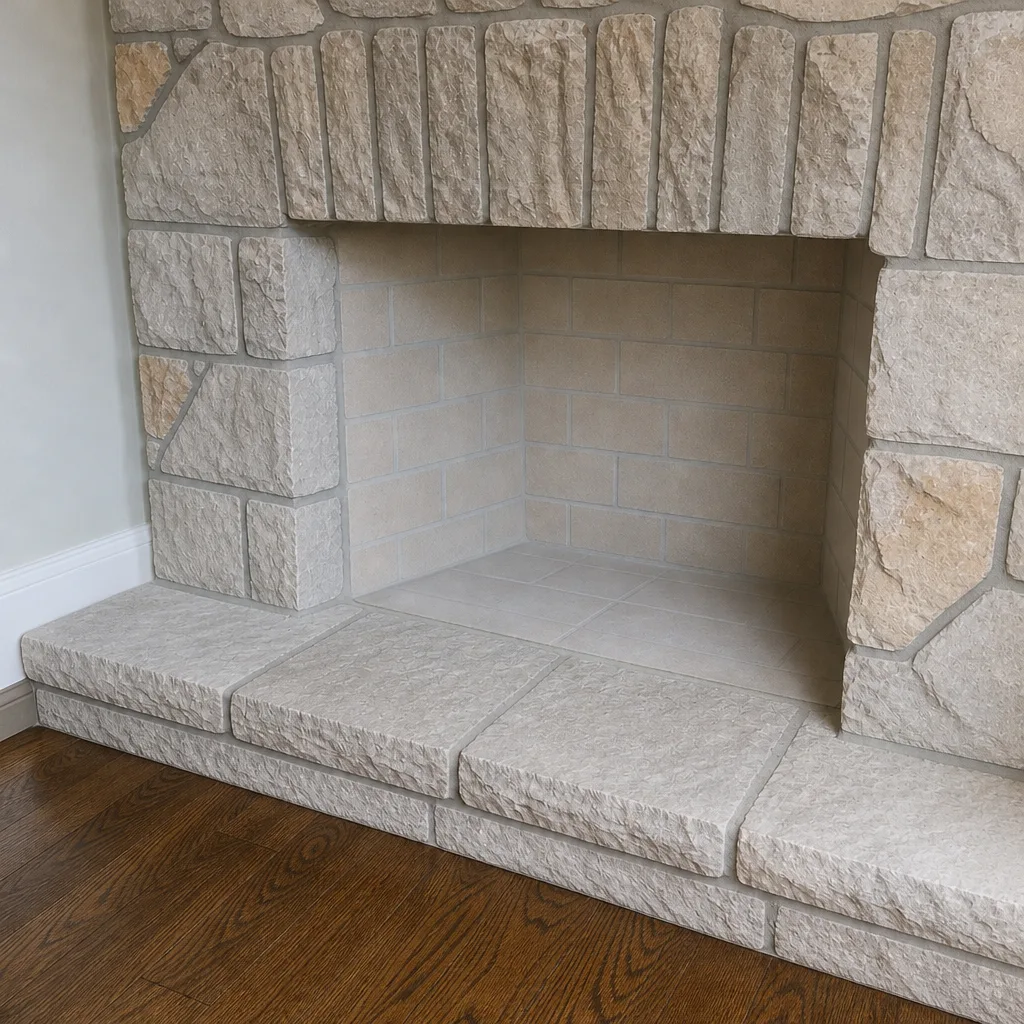 After
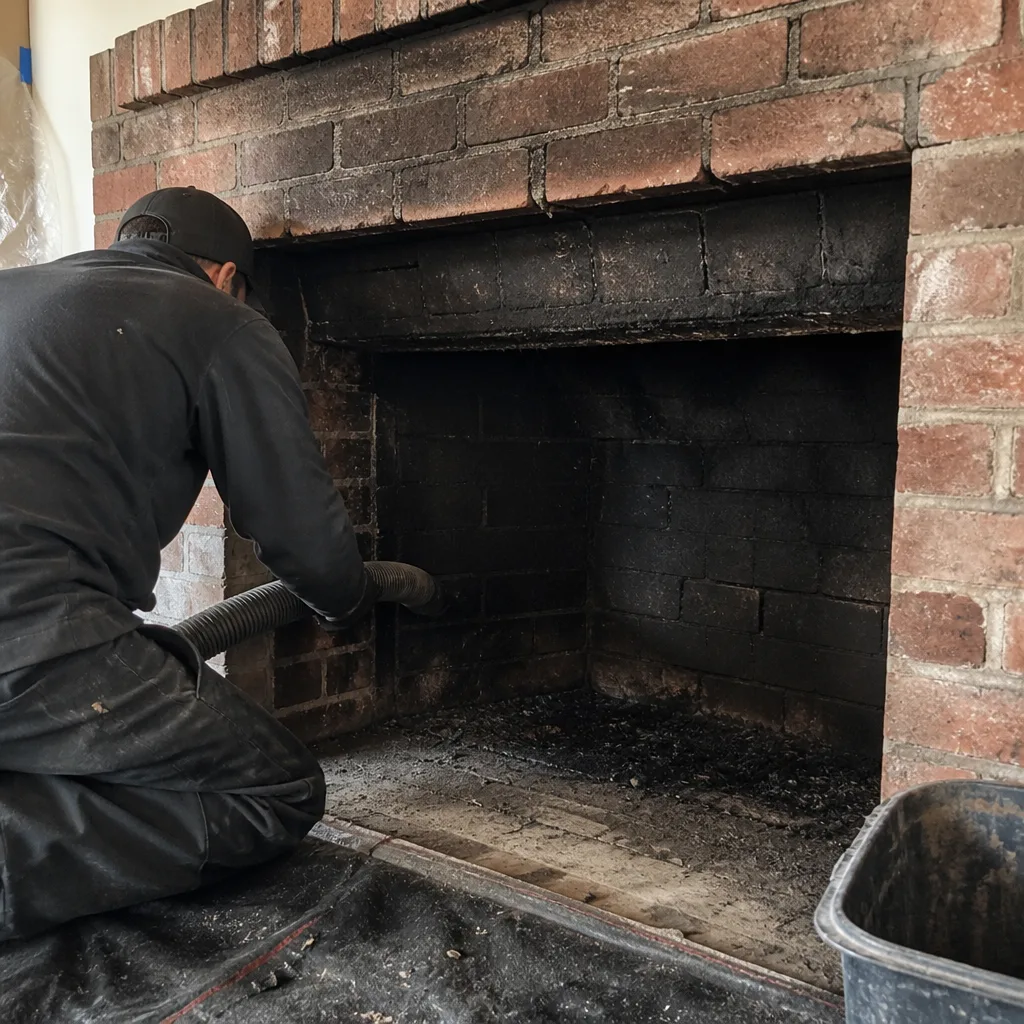 Before
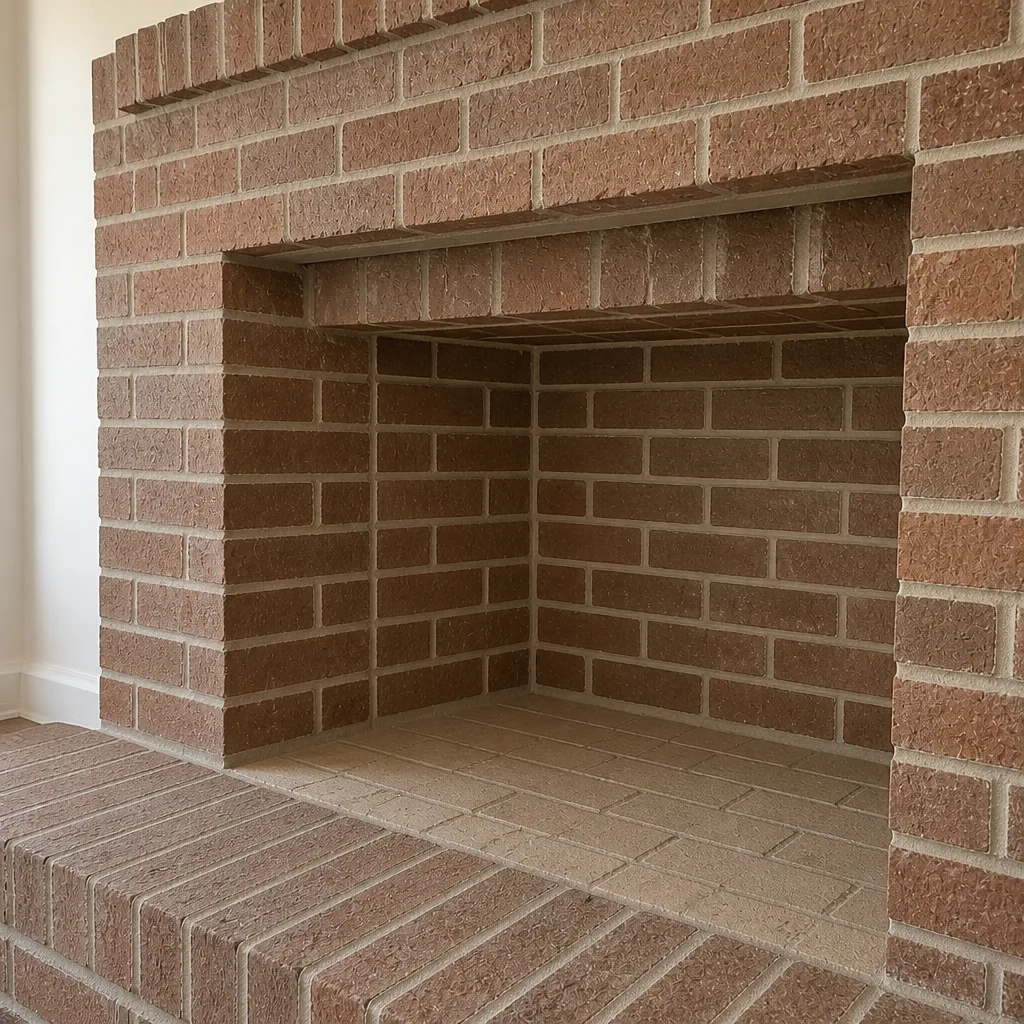 After
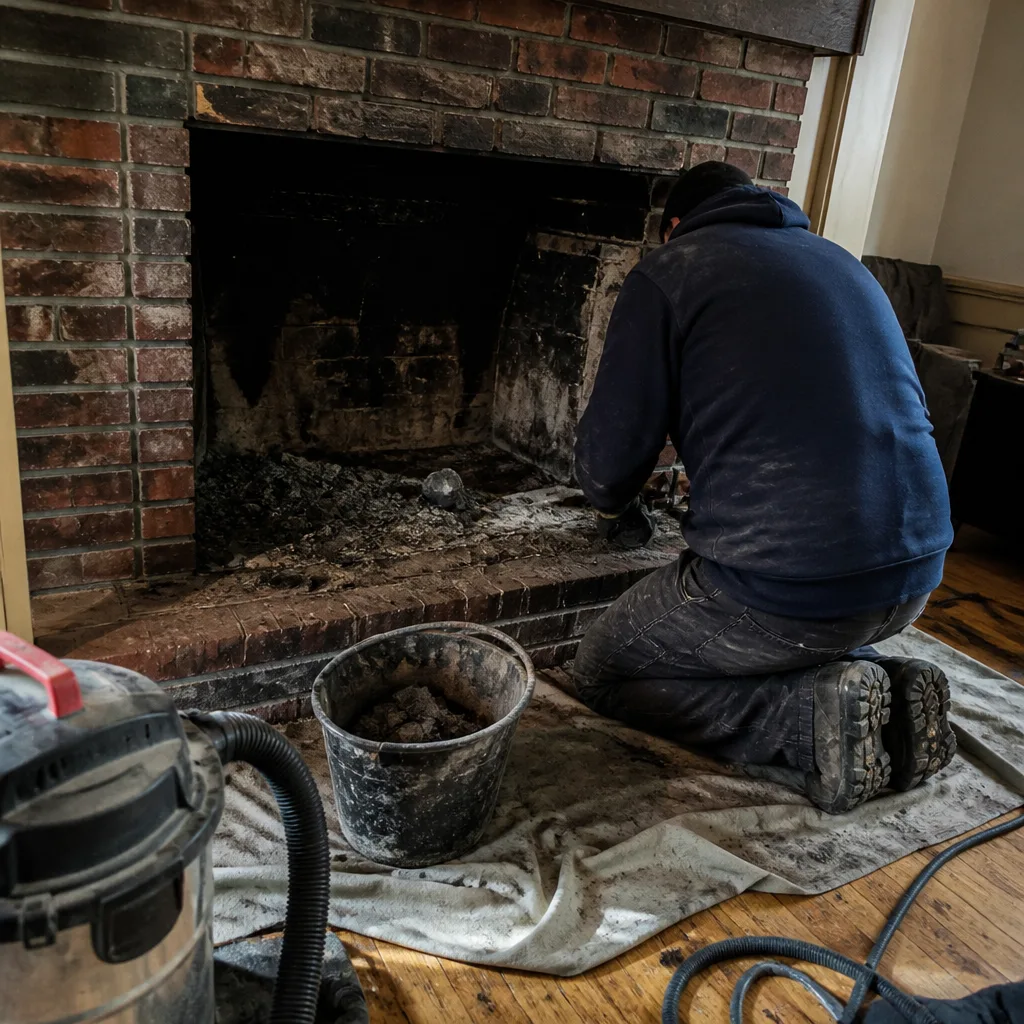 Before
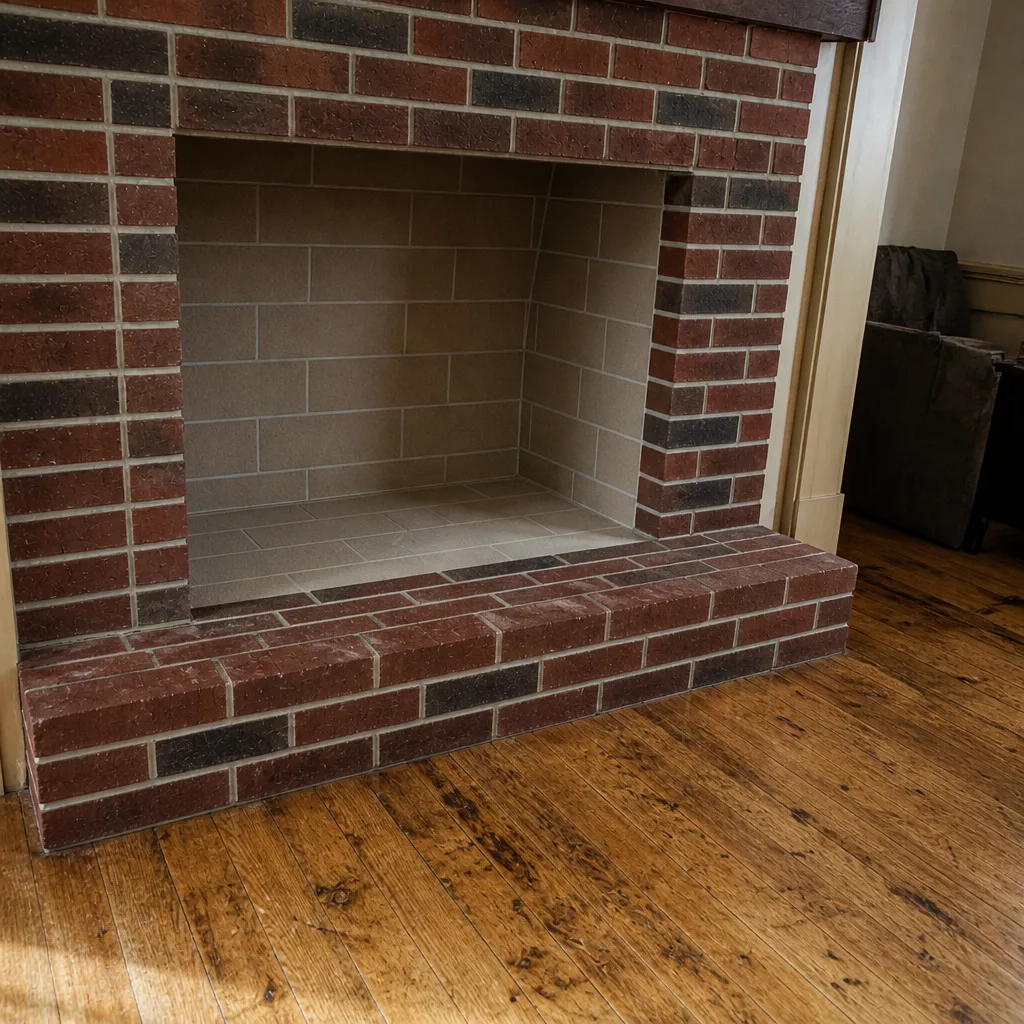 After
Common Mistakes to Avoid
- Assuming a sweep needs a permit. Routine cleaning doesn’t, and paying for a permit you don’t need is just money thrown away. Ask the city if you’re unsure; the answer is quick.
- Skipping the permit on a repair because it seemed small. A reline or a firebox rebuild is exactly the kind of work that needs one, and an inspector who finds unpermitted work during a sale can stall a closing. Do it right the first time.
- Treating a Level 1 visual check as a full evaluation. A basic inspection can’t see the inside of the flue. Before a sale or after a chimney fire, you want the camera-based Level 2 report.
- Accepting verbal findings with no photos. If you can’t see it, you can’t verify it. A written report with images is the difference between a fact and a claim.
- Letting an old flue take a standard rigid liner when the shape won’t allow it. Older Renton homes with offsets and non-standard flues often call for a flexible system, and a rigid liner forced into the wrong flue is a problem waiting to happen.
- Confusing a clean-looking crown with a sound one. Moisture gets under the surface. The crown and the cap are the first things an inspection should evaluate in this climate.
- Closing on a house without checking permit records on the chimney. Public records are easy to pull and worth the effort while you still have leverage. It’s the cheapest due diligence you’ll do.
When to Call a Professional
Some situations call for a trained set of eyes rather than a look from the ground. If you’re buying or selling a home in Renton and need a documented Level 2 inspection, call us. If you’ve had a chimney fire, or you’re not sure whether you have, call us. If a contractor has proposed a reline, a firebox repair, or masonry work and you want a second opinion with camera evidence, call us. If your flue is older, offset, or non-standard and someone’s told you rigid is your only option, call us. If you simply haven’t had the chimney looked at in a while and want to know it’s safe before you burn again, call us. Chimney Sweep Renton offers free estimates in Renton. Call (833) 754-5974. We answer 24/7. Fast dispatch from 7am to 7pm, Sunday through Friday.
Frequently Asked Questions
No. Routine chimney cleaning is maintenance and doesn’t require a permit in Renton. A permit becomes part of the conversation when the work moves into repair, relining, firebox replacement, or structural changes to the chimney, because those fall under Washington’s residential code and King County’s permitting process. Call (833) 754-5974 for an exact quote on a sweep or an inspection; estimates are free.
Generally yes. Installing or replacing a flue liner changes the venting system and usually requires a permit under WAC 51-51 and the local code adoption. The safest move is to confirm the specifics with the city’s building department before the work begins, and to make sure the contractor is the one pulling it. Call (833) 754-5974 with your address and we’ll help you understand what’s involved.
A Level 1 is a visual check of the accessible parts of the system and comes with a routine sweep. A Level 2 adds a camera inspection of the flue and a written, photo-documented report, and is the expected standard before a home sale, after a chimney fire, or when an appliance or fuel type changes. A Level 3 goes further, sometimes requiring access through construction to examine parts of the system that can’t otherwise be reached. Call (833) 754-5974 to schedule the level that fits your situation.
The inspection should be performed by a qualified chimney professional and should follow a recognized standard of care for the trade, producing a written report with photos. There’s no single city clerk who stamps the report; the value is in the documentation itself, which a buyer, lender, and insurer can rely on. If a previous owner has no documentation, that’s the reason to get a fresh Level 2 done before closing. Call (833) 754-5974 and we’ll get you scheduled.
Ask the seller for permits, inspection reports, and manufacturer paperwork, then pull the property’s permit history from King County for anything matching chimney, masonry, or fireplace work. Have an independent Level 2 inspection done so you can compare the paperwork against the physical system. When the two don’t match, that’s a negotiation point and a known cost rather than an unknown risk. Call (833) 754-5974 for a documented inspection in Renton.
Code-required is the minimum the law demands, such as proper clearances, listed liners, and adequate hearth dimensions. Code-compliant simply means the installation meets that floor. Work built beyond the floor uses materials and methods chosen for long-term performance in this climate, which the code doesn’t mandate but which a dedicated specialist typically provides. Call (833) 754-5974 to talk through what your chimney actually needs.
The Bottom Line
Cleaning your chimney in Renton doesn’t involve a permit, but repairing it usually does, and that’s the line worth remembering. Washington’s residential code governs how fireplaces and chimneys are built and altered; King County administers the permits. A Level 2 inspection with photo documentation is the record you want before a sale or after any event, and checking the permit history is the simplest due diligence you can do as a buyer. Code sets the minimum. A dedicated chimney specialist chooses products and methods that go beyond it, and explains what was found, what was done, and what it cost. You can start with a Chimney Sweep Renton visit or a Level 2 inspection. Learn more about how we work across Renton and the surrounding neighborhoods. Call (833) 754-5974 for a free estimate. We answer 24/7. Fast dispatch from 7am to 7pm, Sunday through Friday. We’re closed on Saturday.
Written by the team at Chimney Sweep Renton.