
Last updated November 16, 2026
 Sweep & inspection
 Caps & crowns
 Flue relining
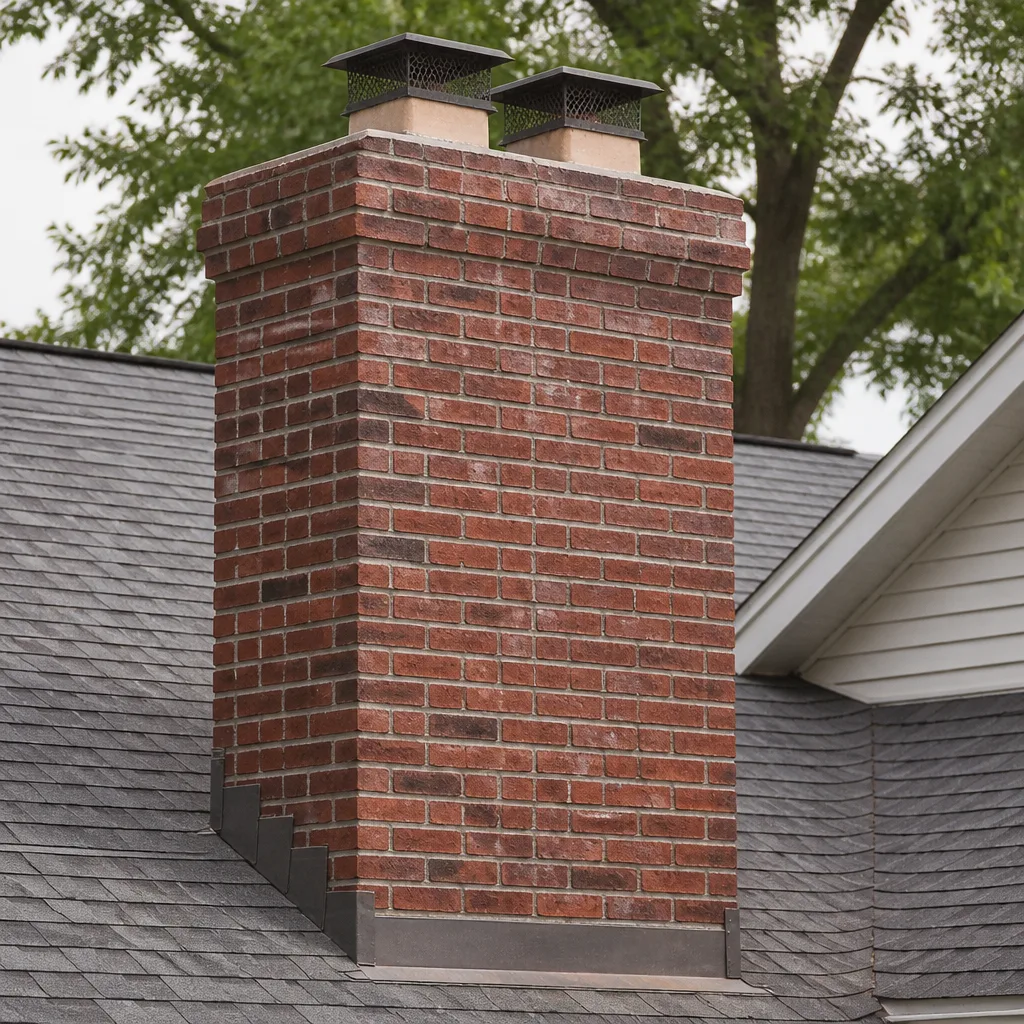 Masonry repair
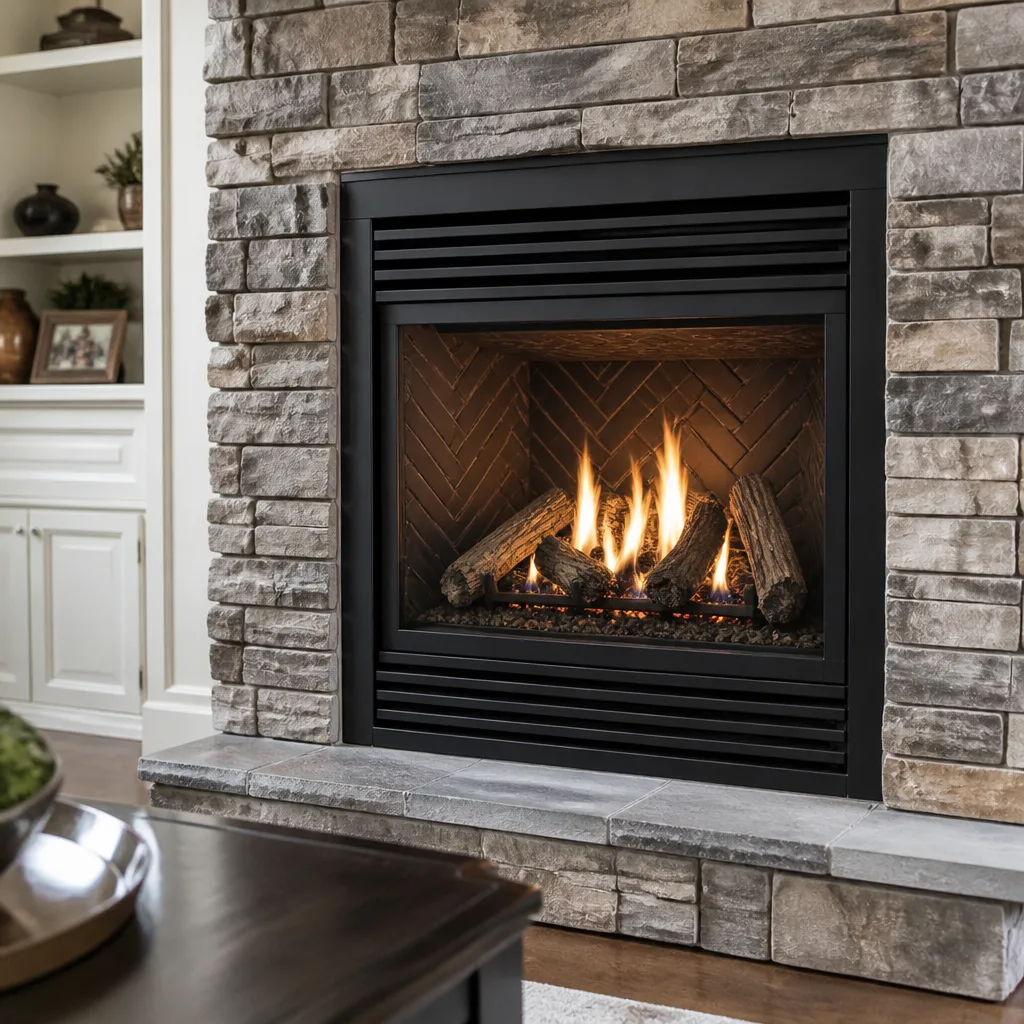 Gas fireplace service
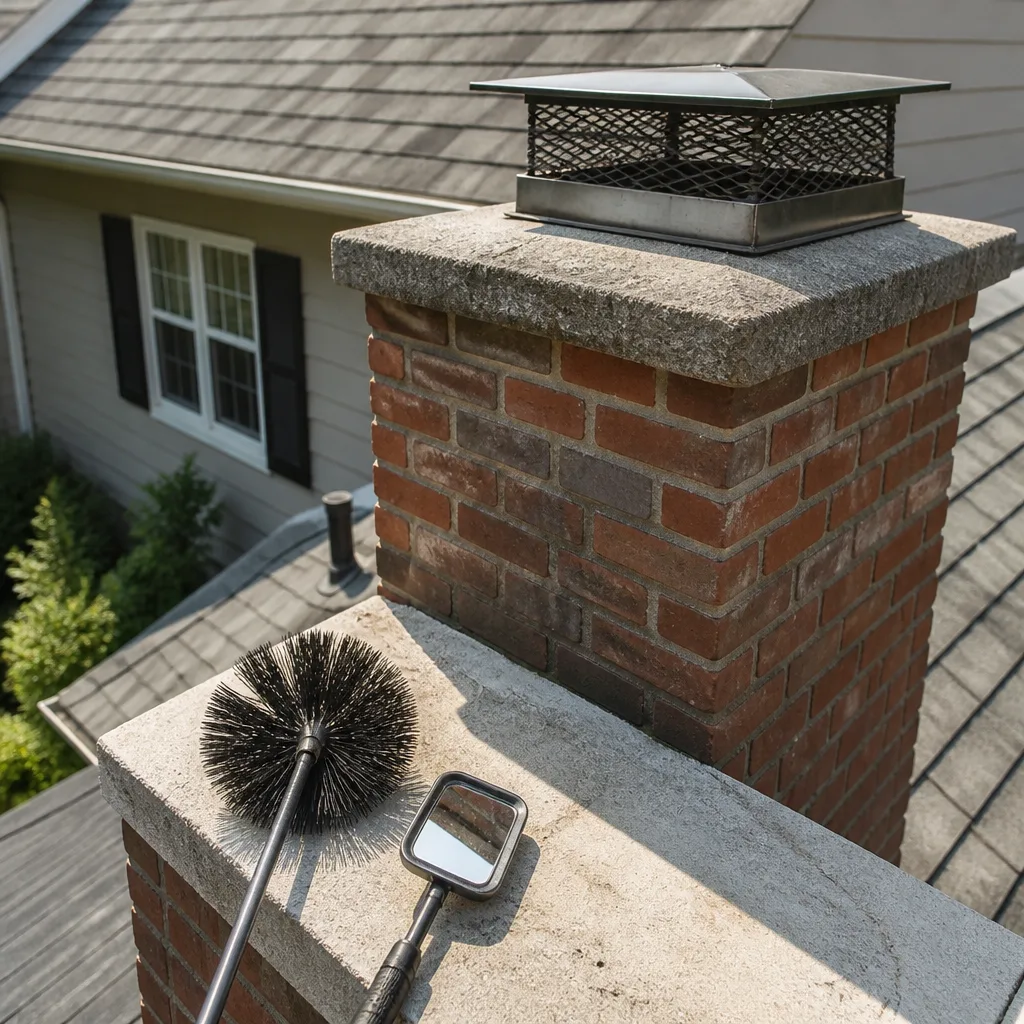
Level 1 sweep and inspection to the NFPA 211 annual standard - flue, crown, cap, and flashing checked and photographed
Chimney sweep logs do not sweep chimneys. They loosen some creosote - which then falls where a brush and vacuum still have to collect it.
Chimney Sweep Maintenance Checklist for Renton Homeowners
Most chimney checklists floating around online were written somewhere with mild, dry winters, and they put sweeping at the top. In Renton, that order is wrong. The item that fails first, and costs the most to ignore, is the chimney crown. A hairline crack in a concrete crown looks like nothing. Let Renton’s freeze-thaw winters work on it, though, and water gets in, freezes, expands, and pushes the brick face off from behind. We built this checklist backward from the repair calls that actually come in around here: moisture first, draft second, brushing third. Below you’ll find what to check each season, what you can safely handle yourself, and the spots where you need a trained set of eyes.
Styles & brands we work with
- Sweep & inspection
- Caps & crowns
- Flue relining
- Masonry repair
- Gas fireplace service
Quick Answer
A working chimney maintenance checklist for a Renton home covers four things in this order: the exterior crown, cap, flashing and mortar joints; the firebox and damper inside; the flue itself, checked by camera when you can’t see the full run; and a professional sweep before the first fire of the season, timed ahead of Renton’s wet fall. Check the exterior and firebox yourself once a month, and book a sweep and inspection once a year. If you burn often or see creosote buildup, book it more. Moisture damage causes more chimney repair in Renton than fire does, so the crown and flashing checks come first.
Table of Contents
- Why Renton Chimneys Fail Differently
- The Exterior Checklist: Crown, Cap, Flashing, Mortar
- The 10-Minute Interior Checklist Before Your First Fire
- What to Look For in the Firebox
- The Seasonal Timing Grid: March, June, September, November
- What’s True DIY and What Needs a Professional
- How Often Should You Actually Sweep?
- Common Mistakes to Avoid
- When to Call a Professional
- Frequently Asked Questions
Why Renton Chimneys Fail Differently
Renton sits low in the Cedar River valley, close enough to Puget Sound to pull in wet air off the water most of the year. That means your chimney spends a large part of the year soaked and a chunk of the winter cycling above and below freezing. Water is the enemy here, not heat. A chimney that stays wet and refreezes again and again will spall its bricks, crack its crown, and rot its mortar joints long before any fire damage shows up.
This is why the standard advice to “sweep once a year and you’re fine” misses the point in Renton. A sweep keeps the flue clear. It does not stop water from getting in through a cracked crown or a failed flashing. The order of operations matters:
- Moisture control first. Crown, cap, flashing, and mortar joints keep water out of the masonry. When they fail, everything behind them fails too.
- Draft and safety second. A clear, correctly sized flue moves smoke and carbon monoxide up and out. Blockages and damage compromise that.
- Sweeping third. Removing creosote and soot is the routine maintenance that protects the flue from a chimney fire.
Homes in the Renton Highlands and up toward Tiger Mountain catch more wind-driven rain, while older houses near downtown Renton often have decades of deferred masonry work behind the siding. Both situations push the same message: look at the outside of your chimney first. If you want a baseline read on how the whole system is doing, a chimney inspection gives you a camera look and a photo report you keep.
The Exterior Checklist: Crown, Cap, Flashing, Mortar
Once a month, and always after a hard freeze or a storm, get outside with binoculars or walk the roofline from a safe distance. You’re not climbing up. You’re looking for the four failure points that matter most in Renton’s climate.
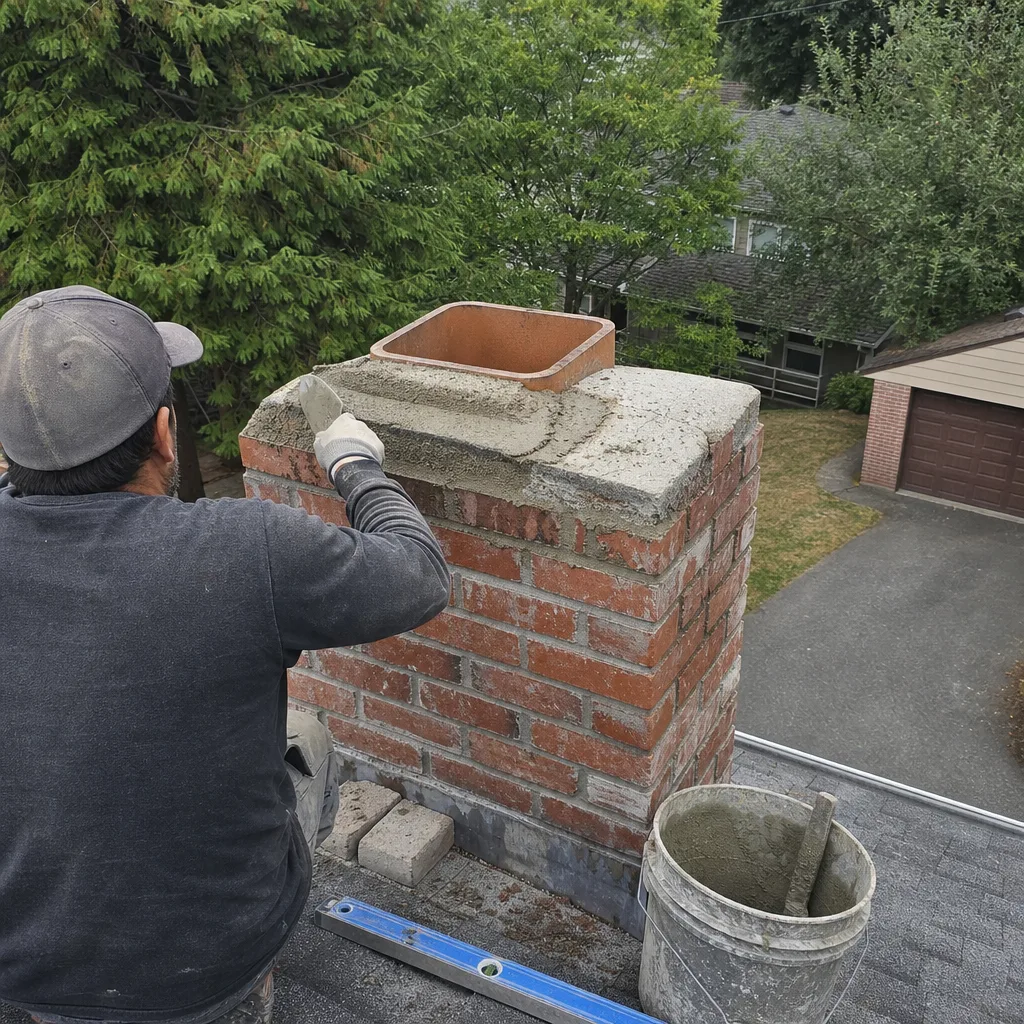
- The crown. This is the concrete or mortar cap on top of the chimney. Look for cracks, crumbling edges, or a crown that slopes toward the flue instead of away. A crown that sheds water is doing its job; one that traps water is feeding every problem below.
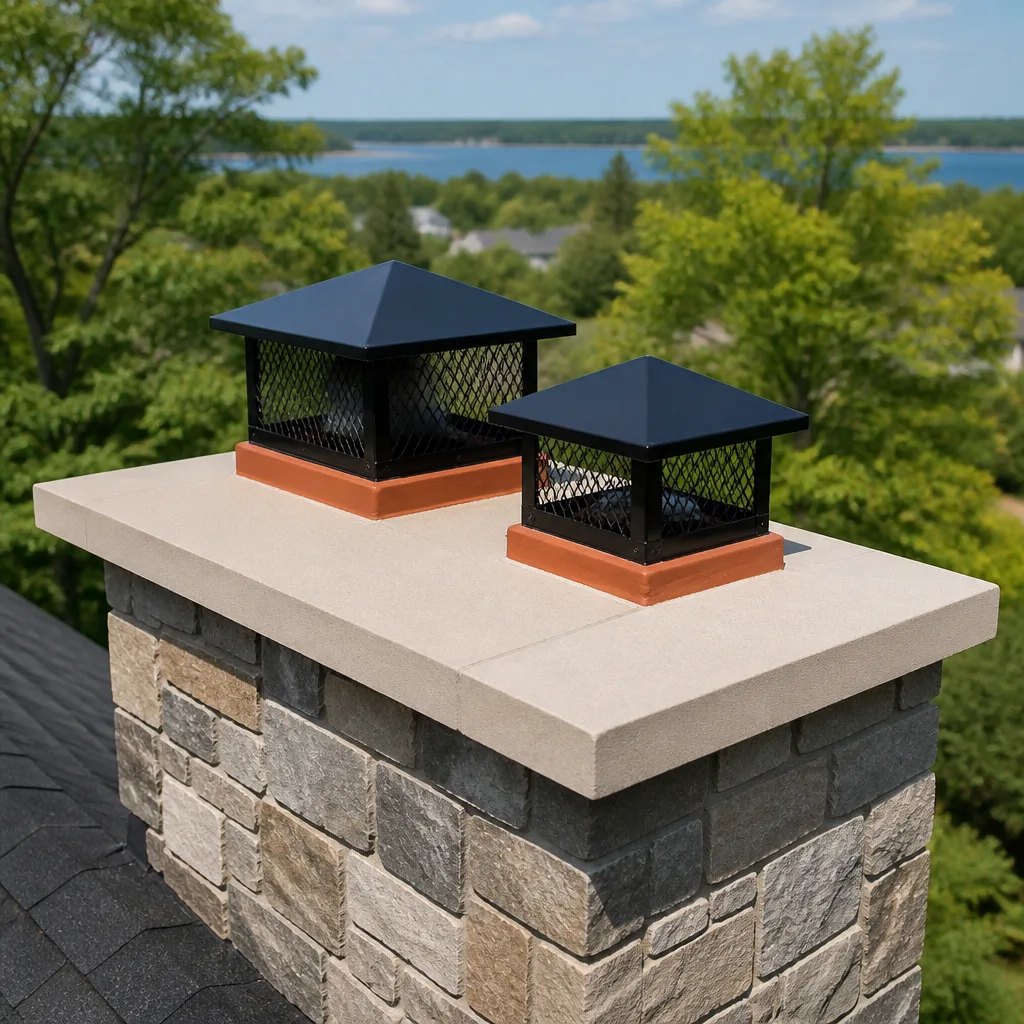
- The cap. A good cap (we fit Gelco, Olympia Chimney, and Famco caps) keeps rain, birds, and squirrels out of the flue while letting smoke escape. Check that the screen is intact and the cap sits level and secure.
- The flashing. Where the chimney meets the roof, metal flashing and its sealant keep water out of the roof deck and the attic. Look for lifted edges, rust, missing sealant, or staining on the roof or in the attic near the chimney.
- Mortar joints. The lines between the bricks should be full and firm. Crumbly, recessed, or missing mortar means water is already getting into the wall.
The crown deserves special attention because it’s the cheapest thing to fix early and the most expensive to ignore. A small crown crack sealed in good time is minor work. Let freeze-thaw winters get into it and you’re looking at a much bigger masonry repair within a couple of seasons. We use HeatShield, the industry-recognized resurfacing and restoration system, to rebuild damaged crowns and flue surfaces rather than slapping a patch on top. If you see crumbling mortar or a soft crown, that’s the moment to book chimney repair before the damage spreads.
The 10-Minute Interior Checklist Before Your First Fire
You don’t need tools for most of this. Run these checks in September before you light the first fire, and repeat them any time the chimney has sat unused. Total time is under ten minutes.
- Open the damper and look up. With a flashlight, look into the flue. You should see clear, dark, unobstructed walls. Gray or black crusty buildup is creosote; a strong burnt smell is a sign it’s there.
- Check the damper. It should open and close smoothly and seal when shut. A sticky or stuck damper is cheap to fix now and frustrating later.
- Look for water stains. Brown streaks or white powdery bloom (efflorescence) on the firebox or the chimney breast mean moisture is getting in. That points you to the crown, cap, or flashing above.
- Smell the room. A drafty chimney smell when the fireplace is cold often means a blocked or undersized flue or a missing cap.
- Confirm a clear smoke path. Nothing stored in front of the firebox or blocking drafting in the room.
If you have a gas appliance or insert, the checks are the same but the stakes on the flue are higher, because gas exhaust is invisible and odorless. Carbon monoxide is the real hazard you’re guarding against, and a blocked or damaged flue is the route it takes into your home. This is why gas setups get a professional camera look, not just a flashlight.
What to Look For in the Firebox
The firebox is where you can spot a deeper problem early. The firebrick lining and the mortar joints around it take the heat, and their condition tells you what’s happening further up the flue.
- Hairline cracks in the firebrick. Fine surface cracks in the brick itself aren’t always serious. But a crack that runs deeper, or gaps you can slip a coin into, can let heat reach the masonry behind the firebox and points to stress that often tracks with liner problems.
- Crumbling or missing mortar between firebricks. This is the joint that fails first. Soft, sandy, or recessed mortar needs attention.
- A shifting or loose brick. Any brick that moves when you press it is a structural concern, not a cosmetic one.
- White bloom or rust stains. Again, moisture. Up top, that’s the crown, cap, or flashing.
- A cracked or warped damper frame. The metal shouldn’t be bent or badly rusted.
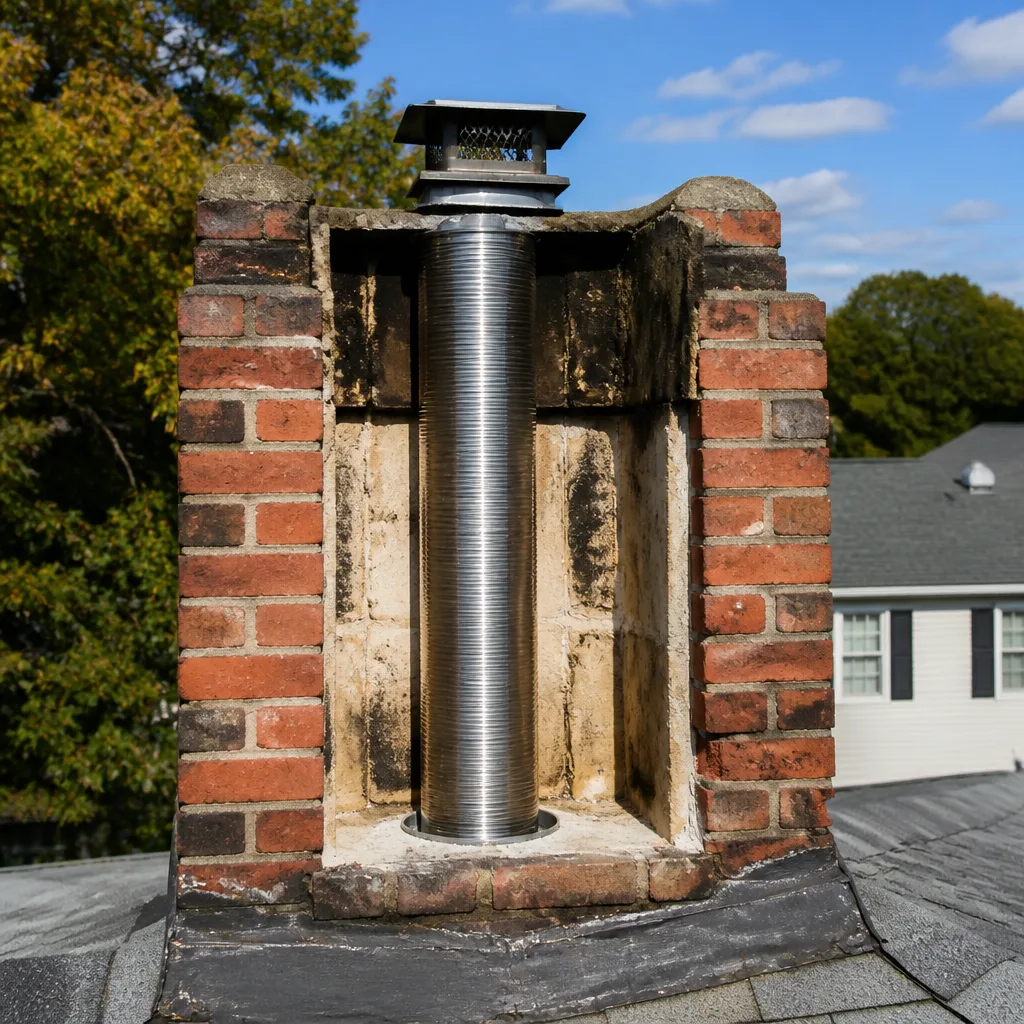
Here’s where it connects: a heat-stressed firebox often sits atop a compromised liner. The inner flue surface is what actually contains your fire and its gases. If it’s cracked or spalling, the firebox cracks are a symptom, not the disease. A camera inspection tells the difference between a cosmetic crack and one that means the liner needs work. When a liner does need replacement, we fit DuraFlex flexible liner systems, which handle the offset and non-standard flue runs common in older Renton homes where a rigid liner won’t go. If you’re unsure whether you’re looking at a surface crack or something deeper, an inspection answers it with a picture.
The Seasonal Timing Grid: March, June, September, November
Renton’s climate sets a natural rhythm for chimney work. Each season has one job that matters more than the others, and hitting them on time stops small problems from becoming structural.
| Month | What to Check | Why Now |
|---|---|---|
| March | Exterior after winter: crown, mortar joints, flashing, cap | Freeze-thaw damage from the winter shows up in early spring, and you catch it before the wet spring rain gets in. |
| June | Schedule the sweep and inspection; check attic for staining | Dry weather lets moisture from any interior leak dry out and makes a camera inspection cleaner. |
| September | Interior 10-minute check; open the damper and look up the flue | You’re verifying the flue is clear and dry before the first fire of the season. |
| November | Mid-season look: check the cap is clear, watch for draft problems | Falling leaves and early storms can block the cap or screen, and you want to catch it before heavy burning. |
March is the money month. That’s when the winter’s damage is written plainly on the crown and mortar. Get the exterior inspected in March and you can schedule any repair before summer. June is for the professional sweep and camera inspection, so the flue is clean and documented ahead of burning season. September’s interior check is your pre-season confidence pass. November is a quick sanity check on the cap and draft once you’re burning regularly. Firewood habit matters too: seasoned wood burns cleaner and deposits less creosote than wet wood, so stack yours early and keep it dry through the fall.
What’s True DIY and What Needs a Professional
We’d rather you know exactly where the line is than guess. Here’s the split, no ambiguity.
Safe for a homeowner to check yourself:
- Visual exterior inspection from the ground (crown, cap, flashing, mortar joints) with binoculars.
- The 10-minute interior look: damper operation, flashlight view up the flue, water stains, smell.
- Checking that the cap screen is clear of leaves and no critters have taken up residence.
- Managing firewood: keeping it seasoned and dry, and stored well away from the side of the house.
- Confirming your smoke and carbon monoxide detectors work.
Needs a professional:
- The actual sweeping and removal of creosote from the flue.
- Any inspection of the flue interior, especially camera inspection of the full liner run.
- Anything on the roof: crown repair, cap replacement, flashing work, mortar repointing.
- Liner work, firebox repair, or any structural masonry or flue restoration.
- A gas appliance flue check, because the exhaust is invisible.
The line is simple: checking from the ground and inside, looking with your own eyes, is fine. Getting on the roof, working inside the flue, or touching anything structural is a job for a trained chimney professional. Falling from a roof is a real injury risk, and working a flue without the right tools can damage it. We’d rather earn the job than have you take that chance. If you’re on the fence, call and ask. Chimney Sweep Renton handles all three services under one focused team: sweep, repair, and inspection.
How Often Should You Actually Sweep?
Once a year is the baseline for most homes in Renton that burn wood regularly. But frequency depends on how you burn, not the calendar alone.
- Light use (an occasional fire on cold nights): once a year, at minimum.
- Regular use (fires most winter evenings): once a year, and check for creosote buildup mid-season.
- Heavy use (a primary heat source, or burning wet or unseasoned wood): book more often, and get it checked before it reaches the level where a fire risk builds.
- Gas appliances: sweep annually, and inspect the flue, since there’s no soot to cue you that something’s blocked.
Creosote is the thing you’re managing. Soot is easy to see; creosote can build as a glazed layer you won’t spot from below. A camera inspection catches what a flashlight misses. When you book a sweep with us, the flat price is agreed before we start and a camera inspection with a photo report is included, so you see what we see. The photo report is also your evidence if a future inspection raises a question. A routine chimney sweep keeps the whole system on schedule, and because we handle sweeping, repair, and inspection under one roof, you’re not chasing a second contractor to read the report.
Common Mistakes to Avoid
- Mistaking a sweep for a whole-system check. A sweep clears the flue but doesn’t tell you the crown is cracked. In a wet-then-freezing climate like Renton’s, the crown check matters as much as the sweep.
- Leaving a small crown crack to “see how it goes.” Water gets in, freezes, and spalls the brick face from behind. What’s minor one year can be a much bigger masonry repair by the next.
- Burning unseasoned or wet wood. Damp wood smokes more and deposits more creosote. Season it, and keep it dry.
- Assuming a gas insert doesn’t need a flue check. Gas exhaust is invisible. A blocked or damaged gas flue is a carbon monoxide route into the house.
- Using a general handyman for chimney work. A generalist may not have a camera, flexible liner tools, or HeatShield experience. Freshly repointed joints that don’t account for the crown and flashing above will just let the water back in.
- Piling firewood against the chimney wall. It holds moisture against the masonry and encourages pests. Keep it stored away and dry.
- Letting the cap screen clog with leaves. A blocked cap is a drafting problem and a critter doorway. Check it after fall storms.
When to Call a Professional
Call us when any of these turn up: a cracked, crumbling, or soft crown; a cap that’s loose, missing, or has a torn screen; rust or lifting at the flashing; crumbly mortar joints on the outside; water stains or white bloom inside; a firebrick crack you can slip a coin into; a damper that won’t seal; a strong burnt smell; or any question about a gas appliance flue. Those are all signs worth a professional look, and some are safety issues that need handling sooner rather than later. Don’t climb onto the roof to investigate yourself. Chimney Sweep Renton offers free estimates in Renton, and every recommendation comes with camera evidence you can review yourself; if a job can safely wait, we’ll tell you that too. Call (833) 754-5974. We answer 24/7. Fast dispatch from 7am to 7pm, Sunday through Friday.
Frequently Asked Questions
At least once a year for most homes that burn wood, and more often if you burn heavily or use wet wood. In Renton’s wet, freeze-thaw climate, we also recommend an annual exterior check for crown and mortar damage. Book the sweep and inspection before the first fire of the season, and add a mid-season look if you burn a lot. Call (833) 754-5974 for an exact quote: estimates are free.
The chimney crown, because it’s the failure point that costs the most when ignored. A small crown crack lets water in, and Renton’s freeze-thaw winters turn that into spalled brick and crumbling mortar within a couple of seasons. Check the crown every month from the ground, and get a professional look each spring. If you spot a problem, call (833) 754-5974 for a free estimate.
You can safely check it yourself from the ground and from inside the firebox, but not sweep it or work inside the flue. Sweeping without the right tools can damage the liner, and roof work is a fall risk. The safe DIY list is exterior visual checks, the 10-minute interior look, and firewood management. For the sweep itself, call (833) 754-5974: estimates are free.
Because the region stays wet much of the year and then freezes and thaws through winter, and water is what wrecked most of the masonry damage we see locally. That cycle spalls brick, cracks crowns, and eats mortar joints. You protect a Renton chimney by keeping water out with a sound crown, cap, and flashing, not just by sweeping the flue. Call (833) 754-5974 for a free estimate on any moisture-related repair.
Not always, but they’re worth checking with a camera, because hairline firebox cracks can be a symptom of heat stress in the liner above. A professional inspection with a camera photo report tells you which is which, and you see the evidence yourself. If the liner does need replacing, we fit DuraFlex flexible systems suited to older, offset flues. Call (833) 754-5974 for an exact quote: estimates are free.
The sweep is annual, but the stakes are higher because gas exhaust is invisible and odorless. A blocked or damaged gas flue is a carbon monoxide risk you can’t see from below, so a camera inspection of the flue matters more, not less. We check gas setups the same careful way we check wood. Call (833) 754-5974 to book a look.
The Bottom Line
A chimney checklist built for Renton has to lead with moisture, not sweeping. The exterior crown, cap, flashing, and mortar joints are what protect the whole system through our wet, freeze-thaw winters. Check them yourself every month, run the 10-minute interior look each September, and book a professional sweep and inspection once a year, ideally by June so you’re ready before burning season. Know where the DIY line is and stay on the safe side of it. Call (833) 754-5974. We answer 24/7. Fast dispatch from 7am to 7pm, Sunday through Friday. Free estimates in Renton, with camera evidence and a photo report included in every sweep.
Written by the team at Chimney Sweep Renton.
See the difference
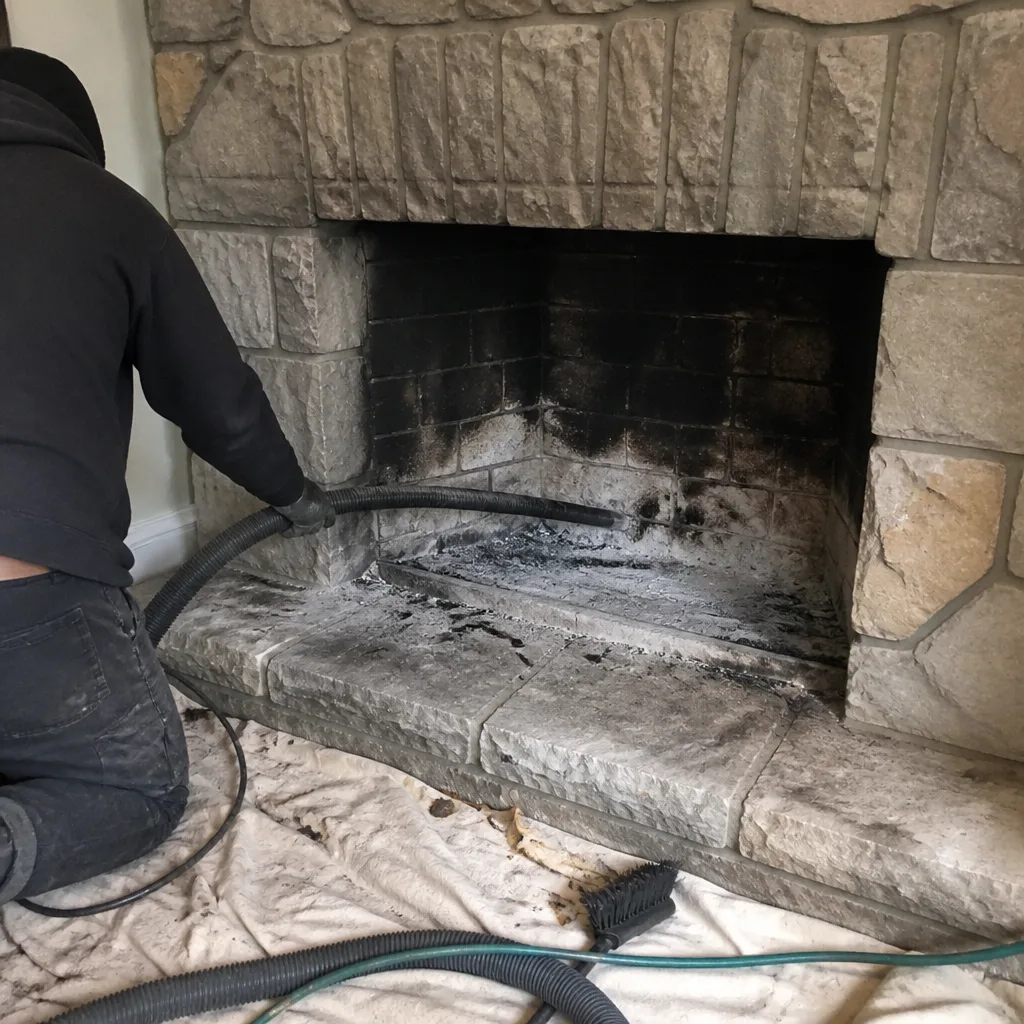 Before
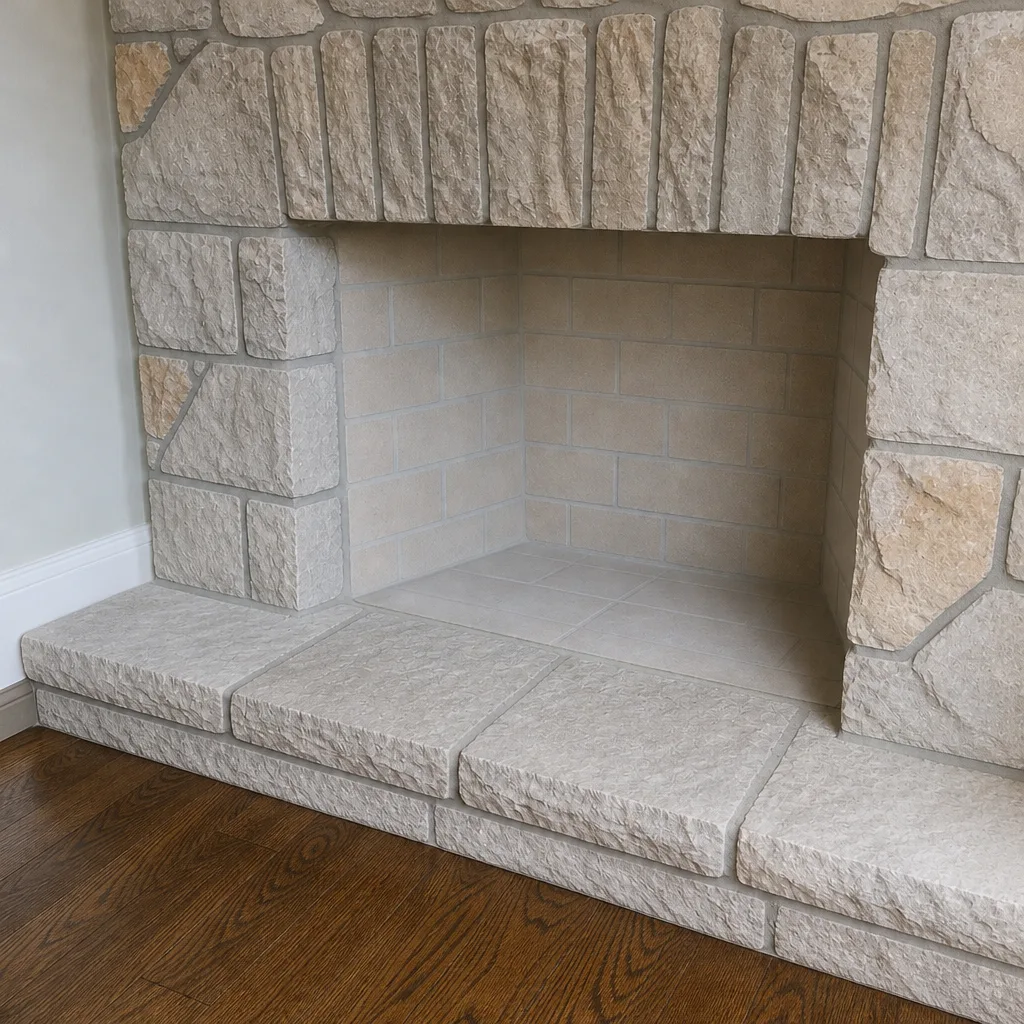 After
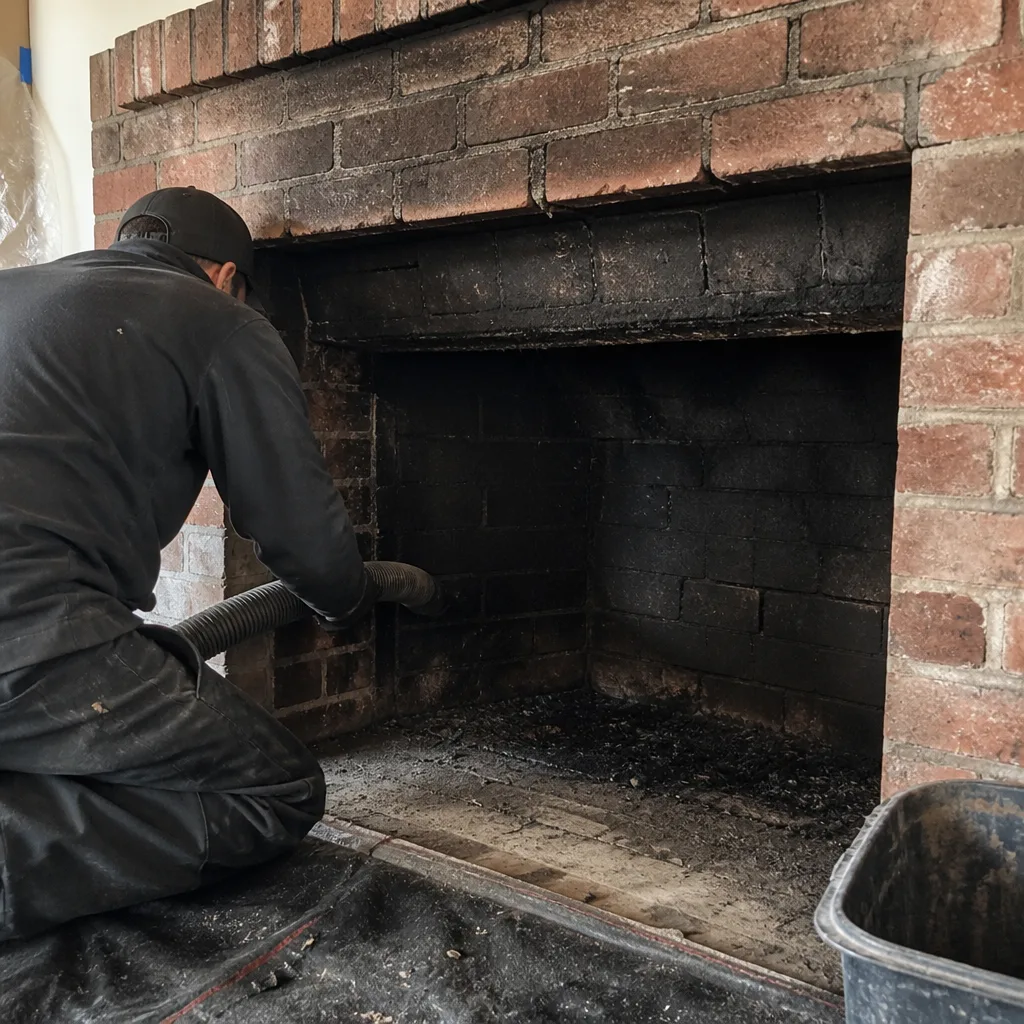 Before
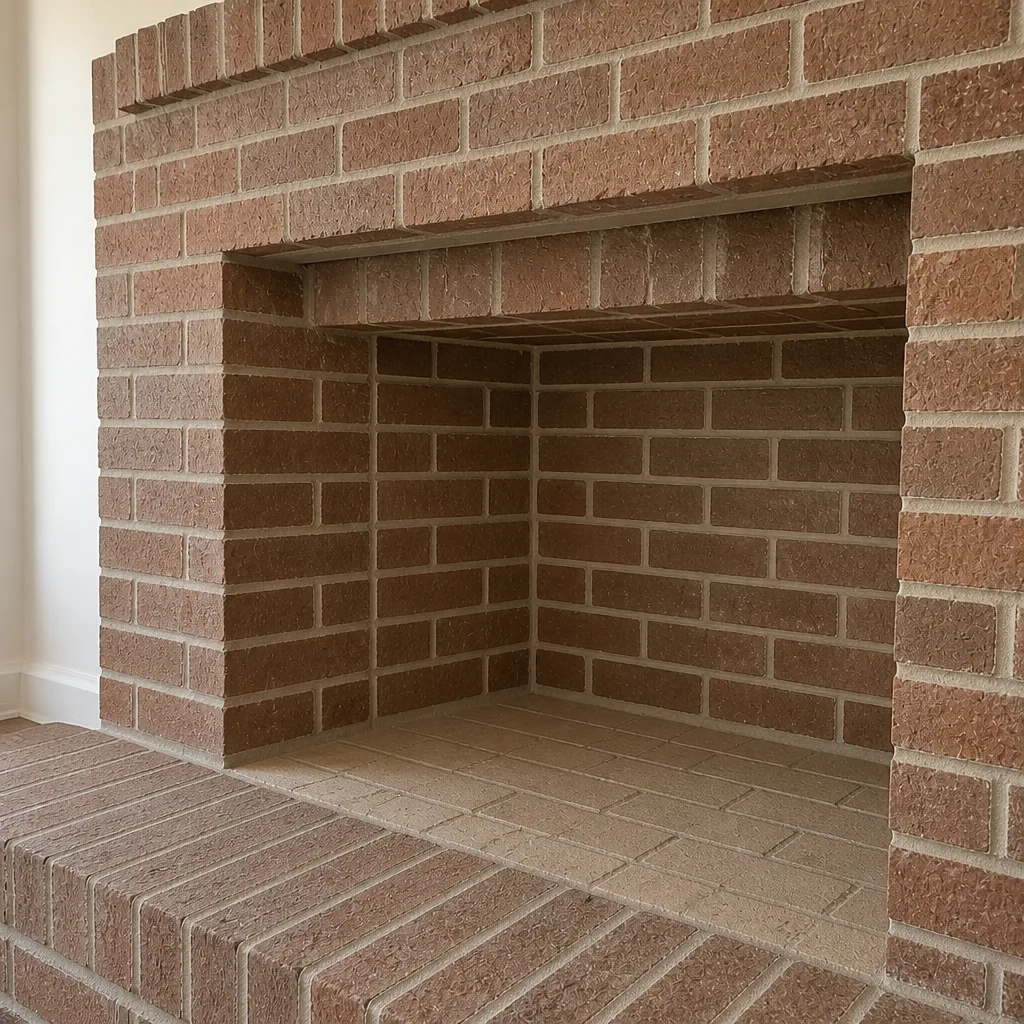 After
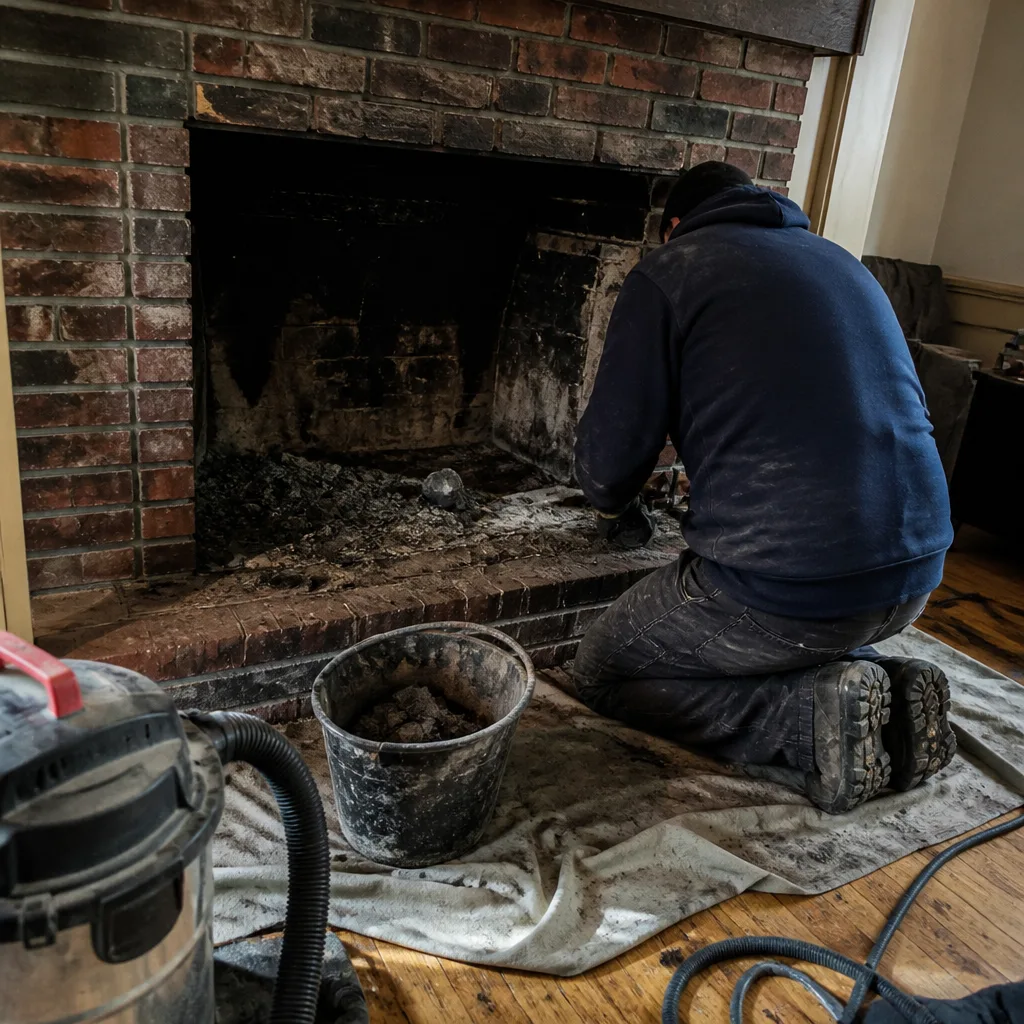 Before
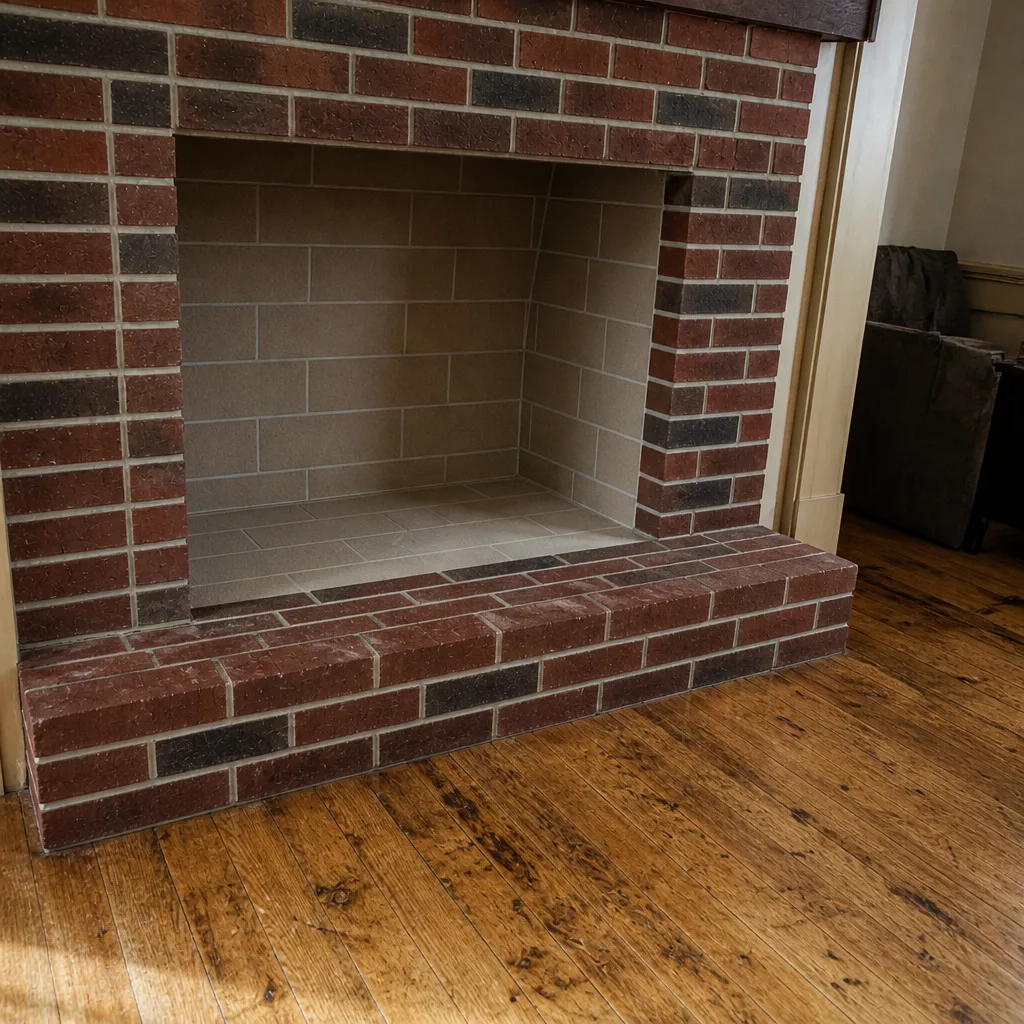 After