
Last updated November 16, 2026
 Sweep & inspection
 Caps & crowns
 Flue relining
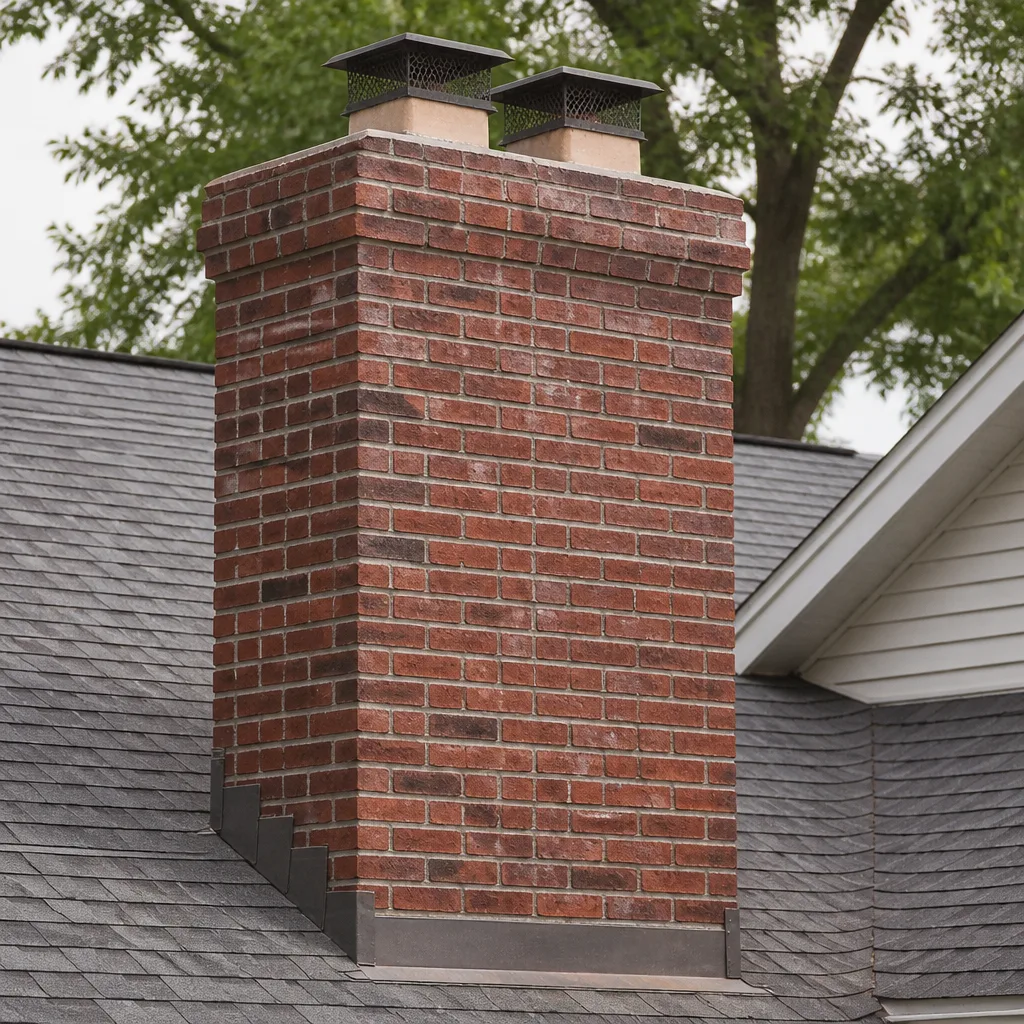 Masonry repair
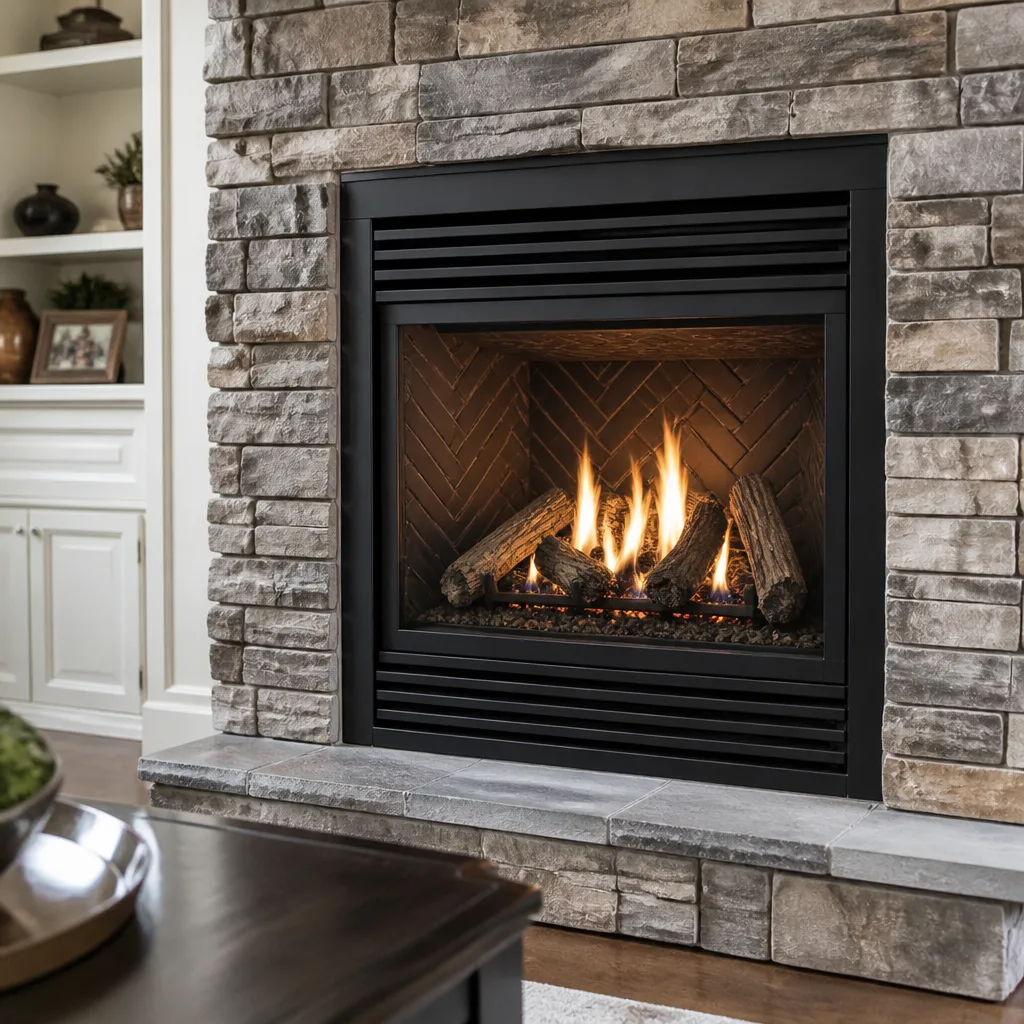 Gas fireplace service
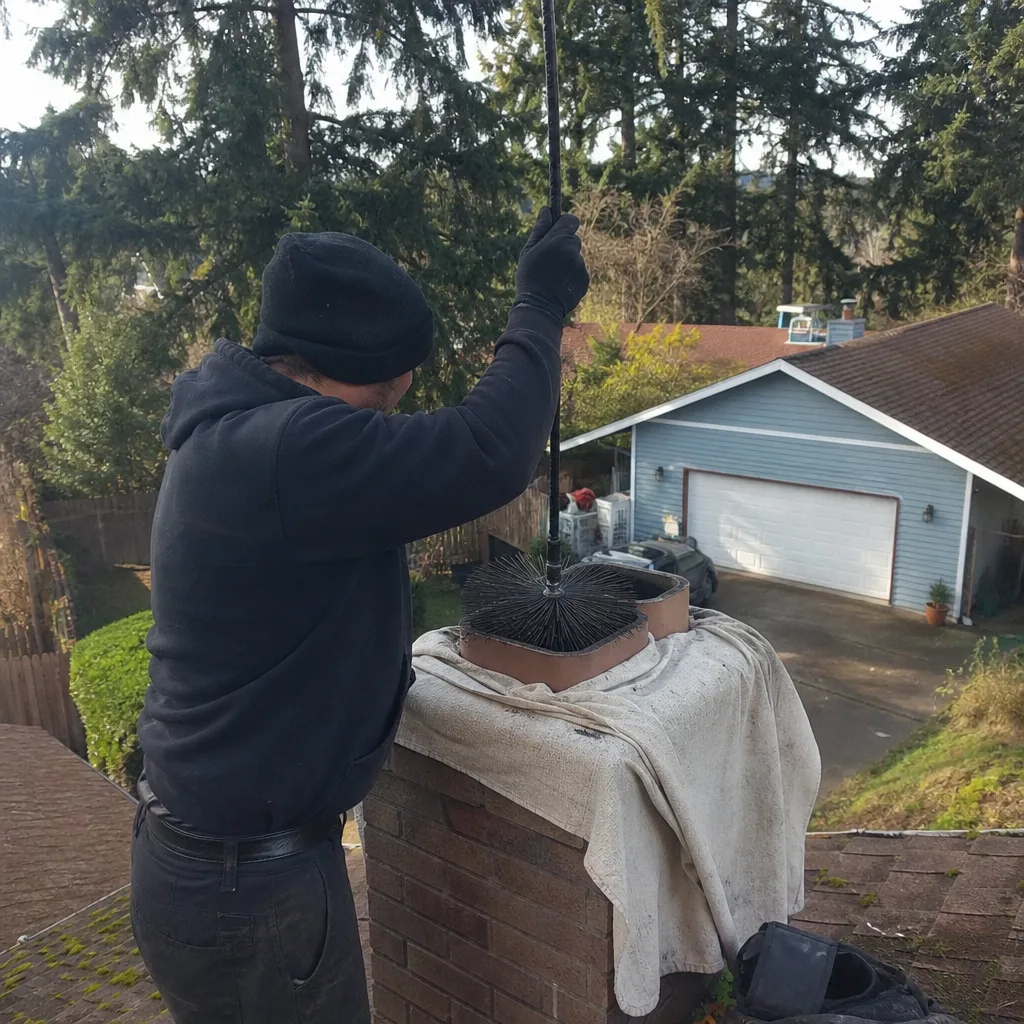
Level 1 sweep and inspection to the NFPA 211 annual standard - flue, crown, cap, and flashing checked and photographed
Chimney sweep logs do not sweep chimneys. They loosen some creosote - which then falls where a brush and vacuum still have to collect it.
Chimney Sweep Maintenance Schedule: What to Do and When
If you burned fewer than three cords of wood last year, your chimney probably doesn’t need sweeping yet. But it almost certainly needs an inspection, and those are two different services with different price tags. Most homeowners treat them as the same thing, call once a year, and either overpay for a sweep they didn’t need or skip the inspection that would have caught a cracked crown or a failed liner joint. Your chimney’s real schedule depends on what you burn, how often, and how old the flue is. In this guide we’ll build a maintenance calendar around how people in Renton actually use their fireplaces, and we’ll cover gas inserts too, which most schedules ignore entirely.
Quick Answer
Sweep a wood-burning chimney when you’ve burned about a cord of wood or a quarter-inch of creosote has built up on the flue walls, whichever comes first. Get a Level 1 inspection every year regardless of whether you sweep, and a Level 2 inspection any time the flue has changed, changed fuel, or survived a chimney fire. Gas fireplaces need an annual check of the pilot assembly and flue, not a sweep.
Styles & brands we work with
- Sweep & inspection
- Caps & crowns
- Flue relining
- Masonry repair
- Gas fireplace service
Table of Contents
- Burn frequency: how much wood triggers a sweep
- The inspection schedule that runs separately from sweeping
- Why Renton’s older brick chimneys need closer watching
- Gas fireplace maintenance timing
- Fall versus spring: when to book in the Pacific Northwest
- What to monitor between professional visits
- The three inspection levels and when each applies
- A month-by-month planner for the year
Burn frequency: how much wood triggers a sweep
There’s no universal “once a year” rule that holds for every flue. The honest threshold depends on how hard your fireplace works. A household that fires up a few evenings a month over the winter accumulates far less creosote than one that heats its living room with wood from October to March. Here’s the rough guide we give homeowners in Renton when they ask how often a sweep is needed:
- Casual use (under one cord per season): sweep every two years, but keep the yearly inspection.
- Regular use (one to two cords per season): sweep annually.
- Heavy or primary-heat use (three cords or more): sweep once a year and inspect creosote buildup mid-season.
- Any time you’ve had a flue fire, even a small one: sweep and inspect immediately, no matter what the calendar says.
Creosote is the number that actually matters. A quarter-inch of sooty buildup is routine. Glazed, shiny creosote is the hard, tar-like stage that’s hardest to remove and most associated with chimney fires, and it forms faster when wood is poorly seasoned or the fire is run cold and smoldering. If you buy your wood in Renton in the fall, check that it’s been split and stacked long enough to cure rather than burning wet, which is one of the ways creosote builds up quickly. The other check that matters: the amount of smoke coming off the top of the chimney. A well-drafting fire is mostly clear. Thick, rolling smoke over a hot fire means the fuel or draft is off and the flue is loading up faster than it should. A simple visual look at the flue interior through the damper tells you a lot too, and we’ll come back to that in the monitoring section.
The inspection schedule that runs separately from sweeping
Every chimney needs an annual inspection even if it never gets swept. That’s the NFPA 211 standard, and it’s the part of the schedule people skip because they assume a sweep covers it. A sweep removes buildup. An inspection checks the structural integrity of the flue, the cap, the crown, the flashing, and the joints. Those are different jobs and you should expect them to be priced separately. A chimney in good shape with light use may be inspected this year and swept next year, and a good inspector will tell you plainly when sweeping can wait. Here’s how the annual inspection works as a routine:
- Visual inspection of the firebox and flue through the damper and, when needed, a camera.
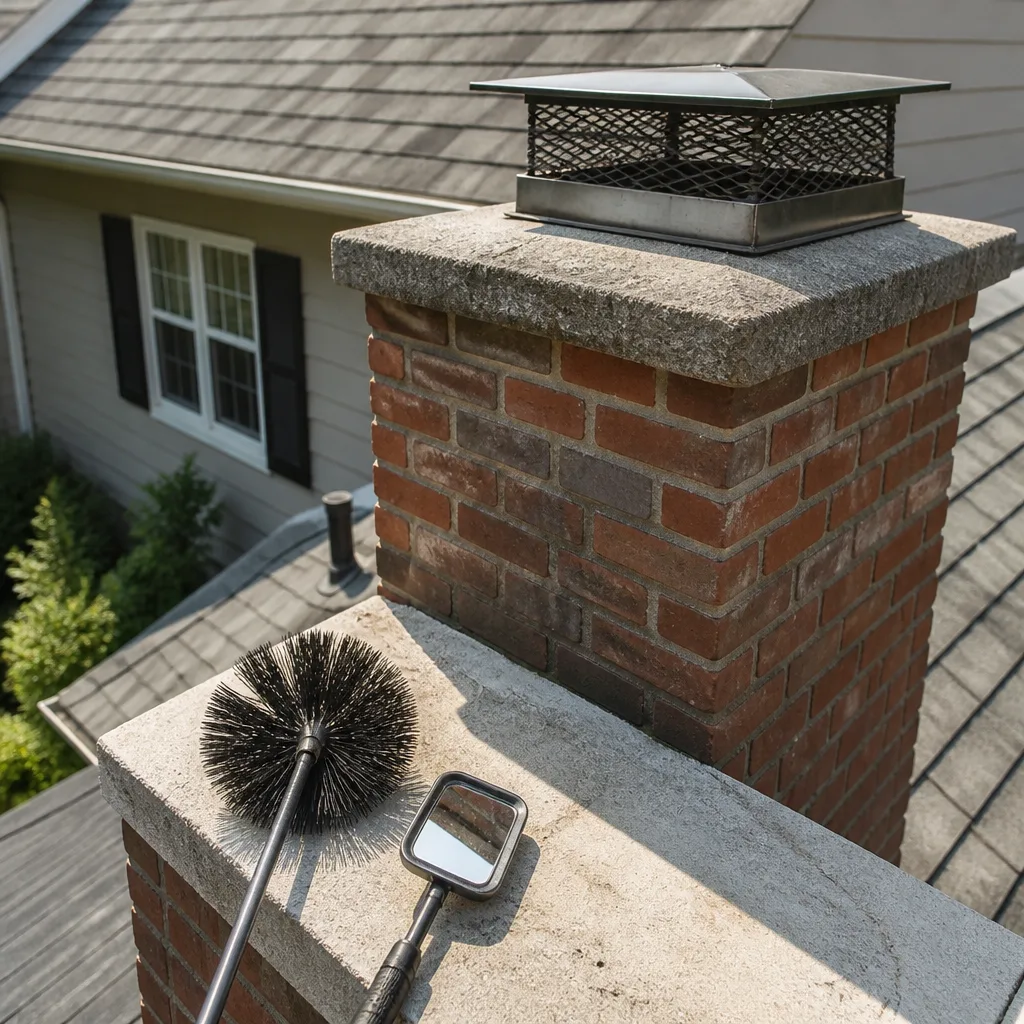
- Cap and crown check from the roof: cracked mortar, a loose cap, rusted screen, or a missing cap all show up here.
- Draft check to confirm smoke is leaving the way it should.
- Photo report of anything found, so you can see exactly what we saw.
If the inspector finds a cracked crown or a failed liner joint, you’ll have a written read on whether it’s a repair-now situation or a watch-this situation. Nothing gets recommended without evidence you can look at yourself, which is the whole point of a documented inspection. For homeowners who want the detail on what each level covers, our guide to the Chimney Sweep Renton service page walks through the standard menu and what to expect.
Why Renton’s older brick chimneys need closer watching
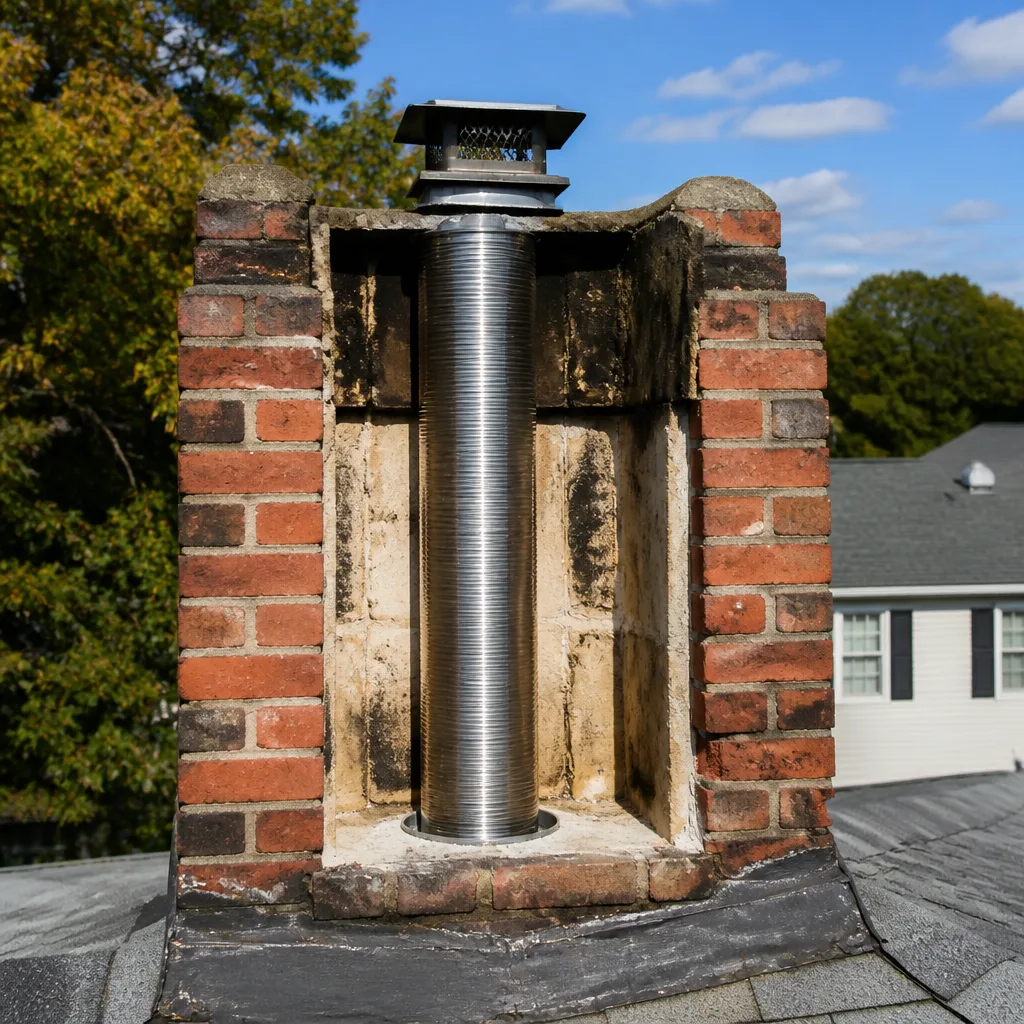
Renton has a lot of housing stock that predates 1980, and pre-1980 brick chimneys were built differently than modern ones. Many have no clay tile liner at all, or have a liner with joints that have worn down over decades of heating and cooling. The clay tile can crack, and once it does, flue gases can reach the surrounding masonry and mortar. The chimney repair work we do most often in older Renton homes involves addressing exactly that: a liner that looks fine from the fireplace opening but shows its problems when the camera goes up. That’s why the annual inspection matters more in a house from the 1950s or 1960s than in one built after modern liner standards were common. The Pacific Northwest climate adds its own pressure. Our wet winters and frequent freeze-thaw cycles at the roof line attack mortar joints and crowns faster than a dry climate would, so a crown that’s been cracking for three winters is a different problem than one that’s been cracking for one. Much of the pre-1980 brick housing in Renton was built with the expectation that the flue would be clay-tiled, and when the tile is missing or broken, a flexible liner is the standard fix. That’s where a DuraFlex or HeatShield approach comes in; HeatShield resurfacing is a certified process for restoring a liner that’s still structurally sound, and a flexible DuraFlex liner handles the offset and non-standard flue configurations that rigid liners can’t. A general contractor won’t offer either, which is why we do this work exclusively.
Gas fireplace maintenance timing
Gas fireplaces don’t need sweeping, but they do need an annual service, and most maintenance schedules leave them out entirely. The pilot assembly, burner, and flue all need checking once a year. The pilot can get dirty or drift out of adjustment, the burner ports can clog, and the flue still needs to be confirmed clear. A gas insert’s flue liner degrades over time just like a wood-burning one, and it can’t be checked by eye from the fireplace. The annual inspection covers the flue and the venting, and the service visit covers the gas components. Getting both done in the same visit keeps the cost down and the schedule simple. If your gas fireplace hasn’t been looked at since it was installed, that’s the cue to book an inspection rather than assume it’s fine because it lights. A gas appliance that hasn’t been serviced can show a compromised vent or a lazy flame without obvious symptoms, and the vent is the part that matters most for safety.
Fall versus spring: when to book in the Pacific Northwest
Most people book a sweep in October, right before the first fire. In our experience, spring is the better slot for two reasons. First, a spring sweep catches winter damage while the roof is still accessible in mild weather, so a cracked crown or loose flashing gets found and repaired before the wet season starts. A fall sweep can catch the same damage, but it catches it right when you want to use the fireplace, which means either waiting or paying for a repair under pressure. Second, the calendar is quieter in spring, so scheduling is easier and the work gets done without sacrificing a burning season. For Renton specifically, the fall rain starts earlier than many people expect, so a repair found in late October has less good weather left for the roof work than one found in March or April. The compromise schedule that works for most homeowners in Renton: inspection and sweep in spring, then a quick visual check of the cap and damper in fall before lighting the first fire. If spring isn’t realistic, get on the fall schedule early rather than waiting until the first cold snap.
What to monitor between professional visits
You don’t need to inspect your own flue. But there are three things you can watch between professional visits that will tell you when to call rather than wait for the calendar.
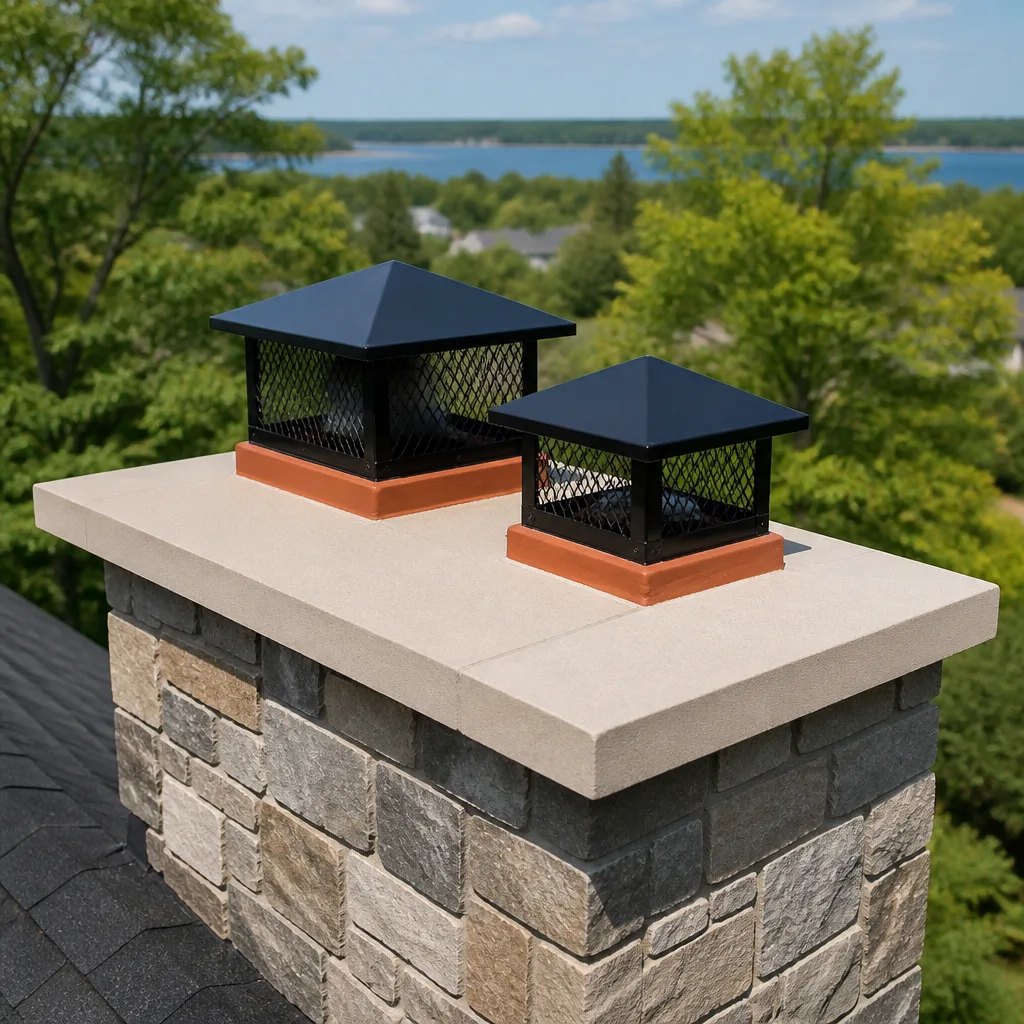
- Cap condition. From the ground, look at the cap on top of the chimney. A rusted, bent, or missing cap lets rain, birds, and debris in. A Gelco or Famco cap is the kind of trade-grade component that holds up over the years, so a cap that’s falling apart is a sign it’s time to replace it, not patch it.
- Damper function. Open and close the damper by hand and confirm it moves freely and seals. A damper that sticks open or doesn’t seal lets heat out and cold air in, and it’s an easy thing to check before each season.
- Visible creosote. Shine a light up the flue through the damper. Sooty black or brown buildup is routine. Shiny, glazed, tar-like creosote means the flue needs attention regardless of when the last sweep was. That stage is the one associated with chimney fires and it’s worth a call.
What you should not do is try to sweep your own flue or reach into it with a brush or tool. Beyond the mess, you can damage the liner or a damper, and the work needs to be done properly. If you’re unsure whether your buildup has crossed into the glazed stage, take a photo and call. We’ll tell you whether it’s a wait or a book-now, based on what’s in the photo.
The three inspection levels and when each applies
The industry recognizes three levels of chimney inspection, and the right one depends on what’s changed. Here’s the short version:
- Level 1: A visual check of the accessible portions of the chimney, firebox, and flue, done without special tools. This is the annual inspection and the default for a chimney in regular use with no changes.
- Level 2: Everything in a Level 1 plus a video camera inspection of the flue interior. Required when you’ve changed fuel type, had a chimney fire, replaced an appliance, or bought a home, and it’s the level that finds a cracked tile or a failed liner joint you can’t see.
- Level 3: The most involved level, used when a Level 2 finds a problem that requires access to concealed parts of the chimney. This is uncommon, but it’s the right call when a serious defect needs to be addressed directly.
Most homeowners in Renton will live with annual Level 1 inspections and book a Level 2 when something changes: a new insert, a chimney fire, a recently purchased older home, or a sweep that turns up a concern. If you’ve just bought a pre-1980 home in Renton, a Level 2 inspection before the first fire is worth the cost, because it’s the only way to know what’s inside a flue you didn’t watch being built. A camera inspection and photo report come with it, so you see what the inspector sees.
A month-by-month planner for the year
Here’s how the schedule maps onto a calendar year for a typical wood-burning household in Renton. Adjust for your own burn frequency using the cord counts above.
- March to April: Book the annual inspection and sweep. Spring catches winter damage with good weather left to repair it.
- May to June: Handle any repairs the inspection turned up, so the roof work happens in dry weather.
- July to August: Restock and cure firewood. Buy split wood early enough that it’s seasoned by fall.
- September: Do the pre-season visual check: cap, damper, and a look up the flue.
- October to February: Burn season. Watch for glazed creosote, heavy smoke, and any change in draft, and call if something feels off.
Gas fireplace households move the service to spring as well, for the same reason. Most of the schedule is about timing the work to the weather. That’s a Renton-specific concern, because the dry window for roof work is narrower here than in a lot of places, and a repair that needs a handful of dry days is easier to fit in spring than in late fall. For a more detailed view of what a sweep visit involves, the chimney sweep page covers the process from the walkthrough to the photo report, and it’s a good companion to this planner.
Common Mistakes to Avoid
- Treating a sweep and an inspection as the same appointment. They’re different services with different price tags, and a sweep doesn’t check structure. Ask which one you’re booking and what each is priced at.
- Assuming “once a year” covers it. The right sweep interval depends on how many cords you burn and how much creosote has built up. A light-use fireplace can go two years between sweeps; a heavy burner needs one annually.
- Skipping the gas fireplace entirely. A gas insert still has a flue and a pilot assembly that need an annual check, even if there’s no creosote to sweep.
- Only booking in fall. A fall sweep finds winter damage right when you want to be using the fireplace. Spring catches the same problem with more good weather left for repairs.
- Trusting a new cap to a general handyman. A trade-grade cap from a chimney specialist is built for the job. A generic one is a temporary fix.
- Assuming a pre-1980 brick chimney is fine because it looks fine. The problems in older Renton flues usually live inside the liner where you can’t see them without a camera.
- Waiting for a problem to announce itself. Glazed creosote and a compromised liner can both be found on an inspection long before there’s a symptom. The inspection is the schedule that catches them.
See the difference
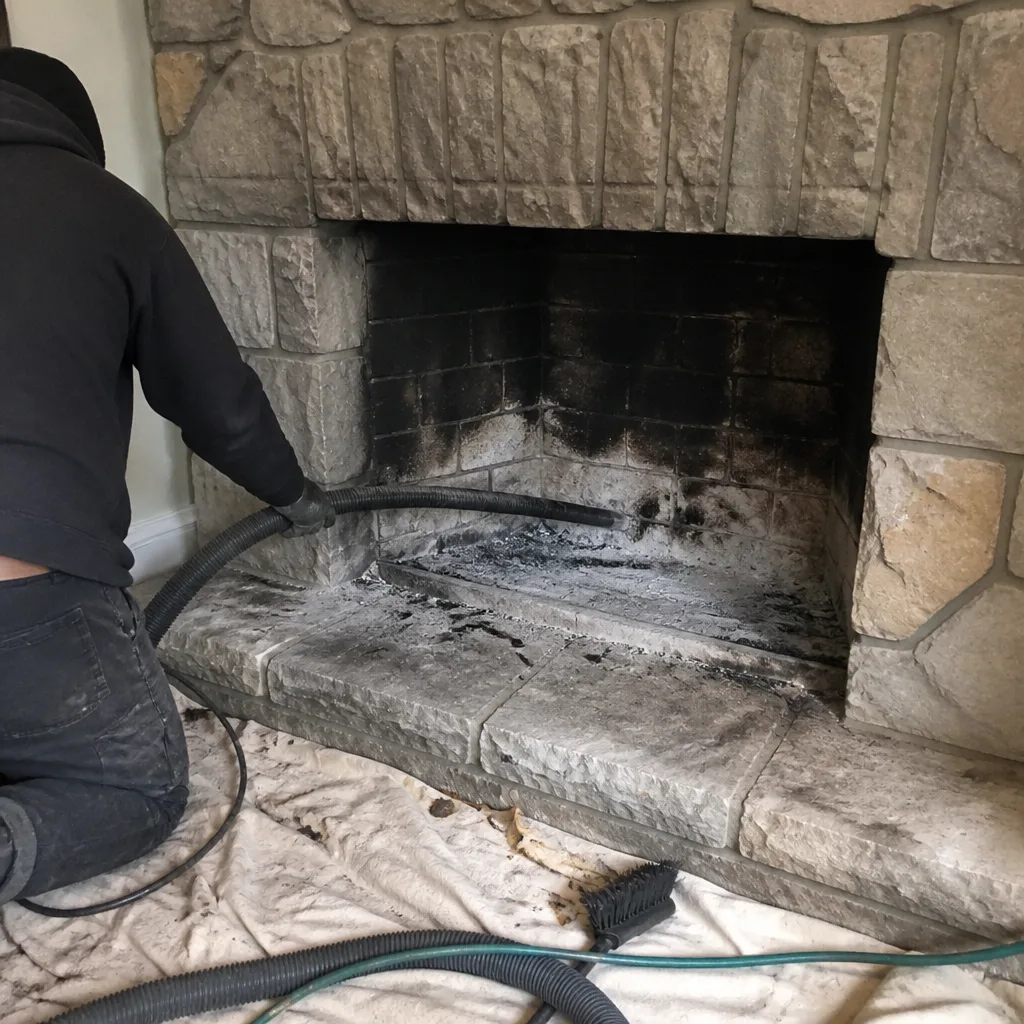 Before
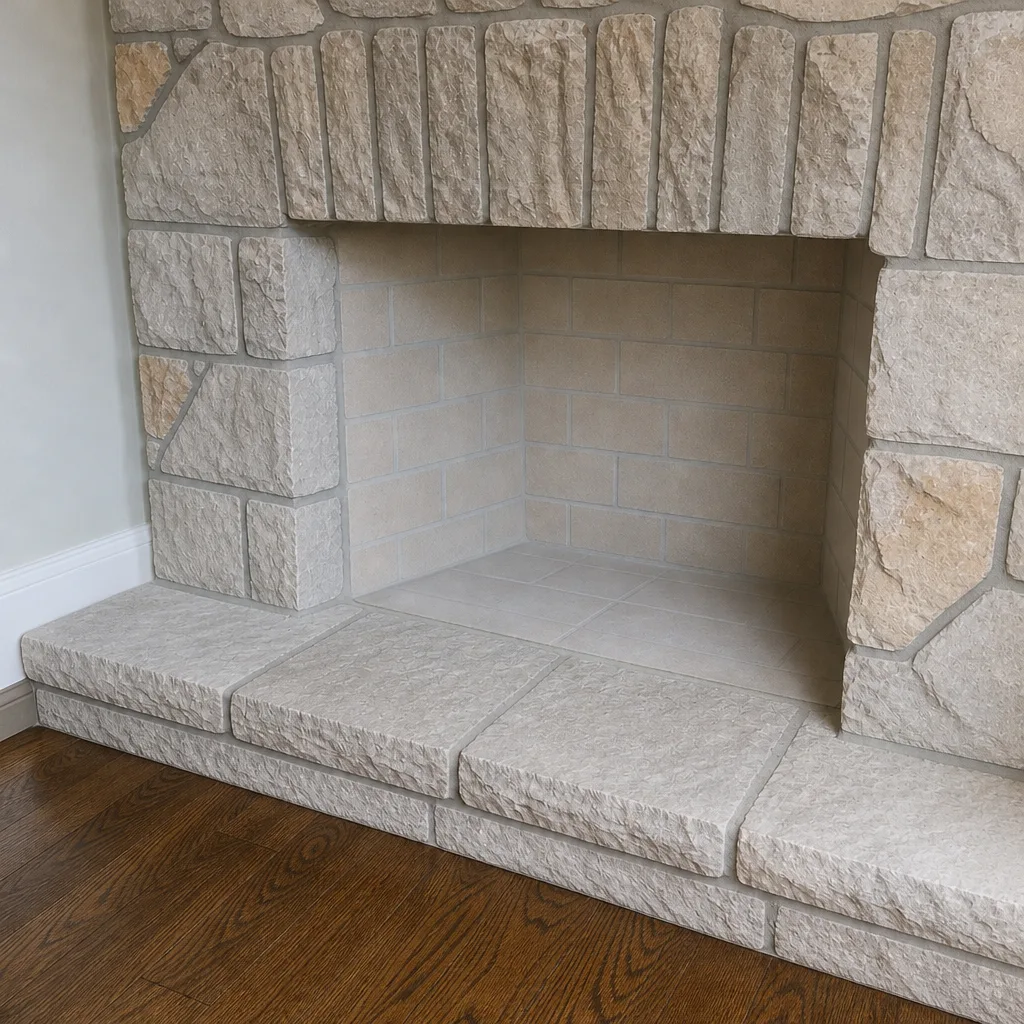 After
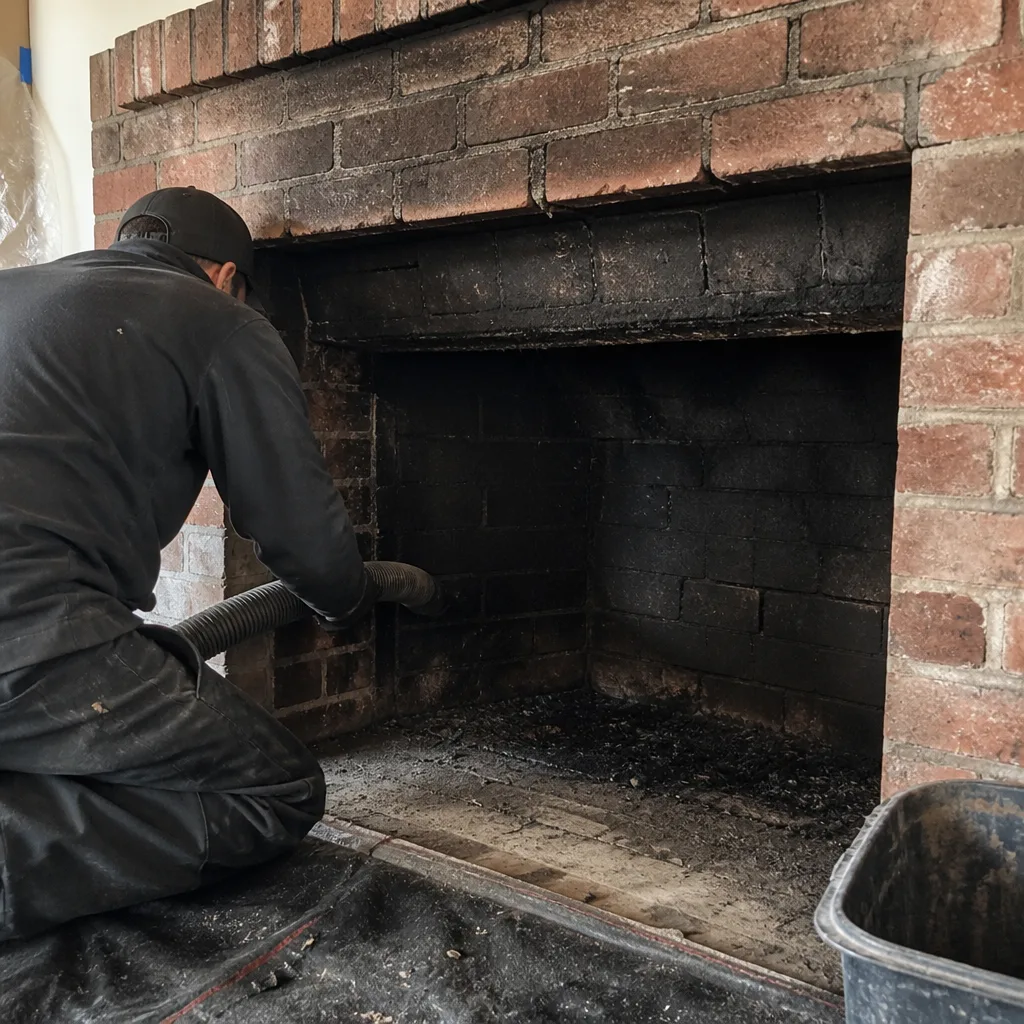 Before
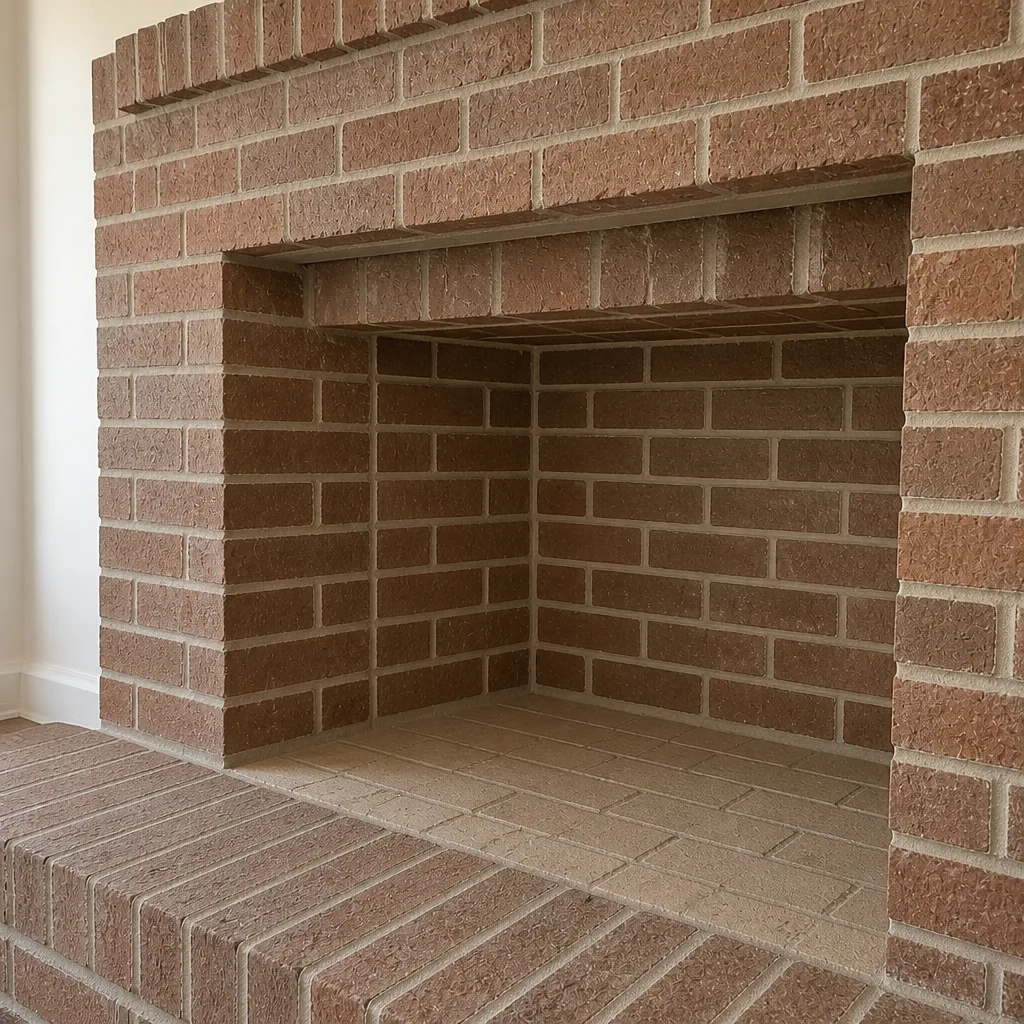 After
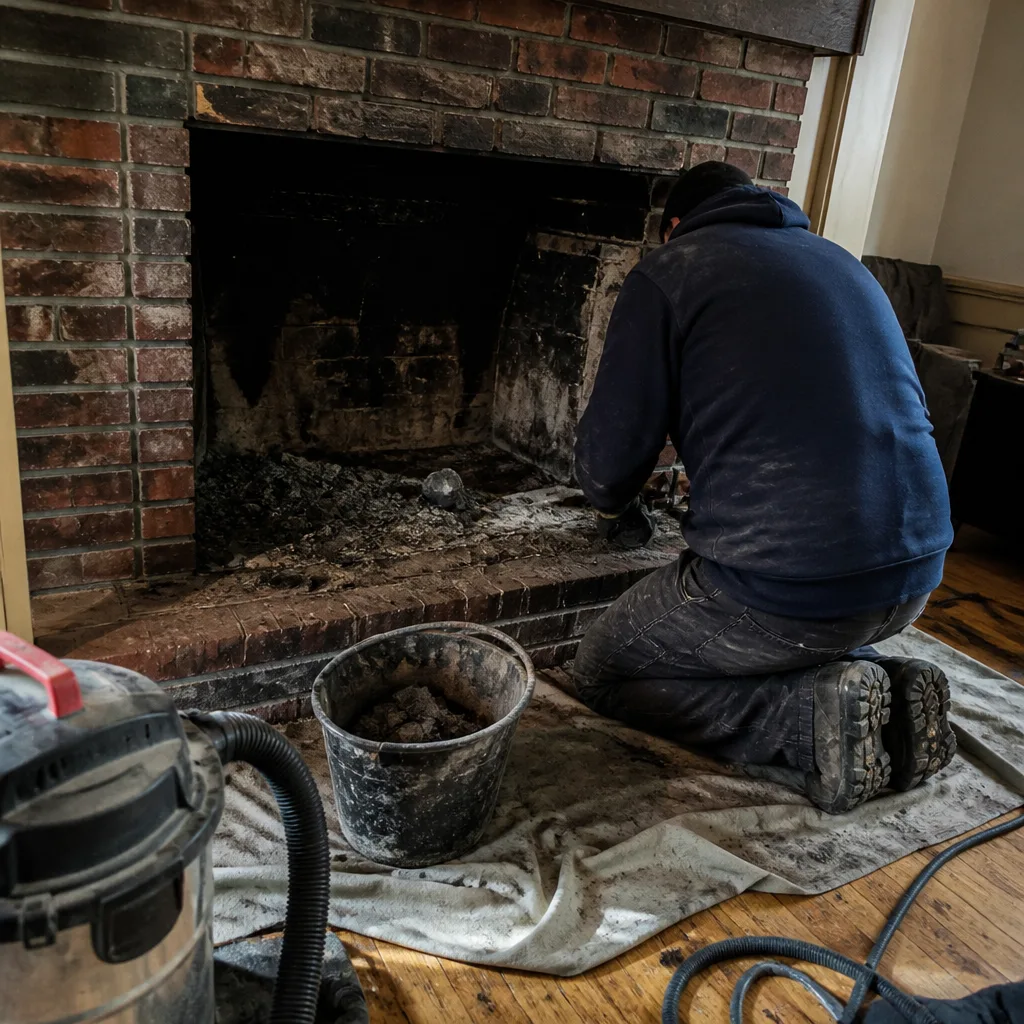 Before
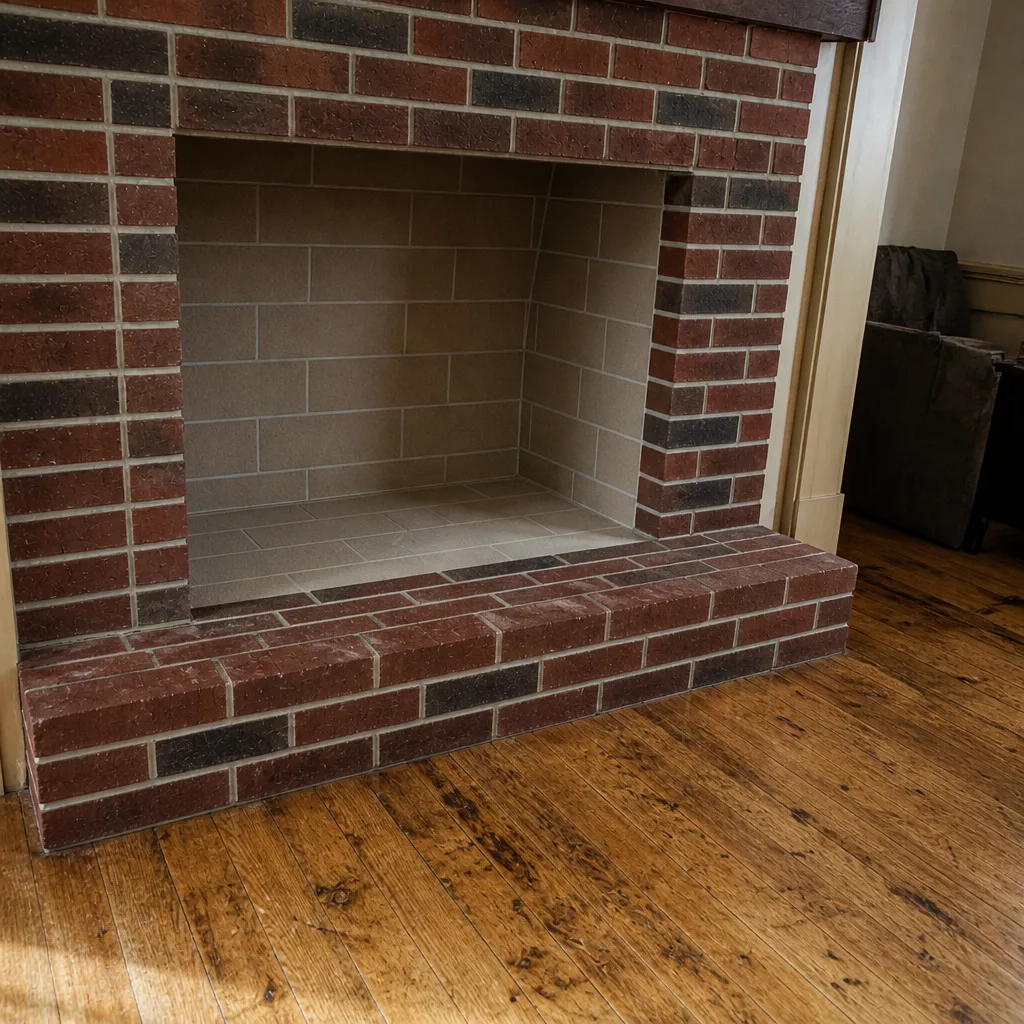 After
When to Call a Professional
Call when it’s time for a scheduled inspection or sweep, or sooner if something changes. The specific cues that mean call now rather than wait for the next slot: a chimney fire of any size, even a small one you think put itself out; glazed, shiny creosote visible up the flue; a strong, persistent smell of smoke in the house; a damper that won’t open or close; a cap that’s missing, bent, or rusted through; or a newly purchased pre-1980 home where you’re lighting the first fire. Backdraft that pushes smoke into the room rather than up the chimney is another. Our technicians have up to 15 years of experience, and the estimate is free. Chimney Sweep Renton offers free estimates in Renton; call (833) 754-5974. We answer 24/7, with fast dispatch from 7am to 7pm, Sunday through Friday, closed Saturday.
Frequently Asked Questions
Sweep a wood-burning chimney once a year if you burn one to two cords of wood a season, and every two years if you burn lightly. A quarter-inch of creosote buildup or a cord-count threshold triggers a sweep earlier, and a chimney fire triggers one immediately regardless of the calendar. Call (833) 754-5974 for an exact quote; estimates are free.
Yes. An annual inspection is recommended for every chimney regardless of whether you sweep that year, because the inspection checks the flue, crown, cap, and joints rather than removing buildup. Older brick homes in Renton especially benefit, since a camera inspection can find liner problems that aren’t visible from the firebox. Call (833) 754-5974 to book the inspection alone, with no sweep attached.
No. Gas fireplaces don’t produce creosote, so there’s nothing to sweep, but the pilot assembly, burner, and flue still need an annual check. A gas insert’s flue liner degrades over time just like a wood-burning one, and an inspection catches it before it becomes a repair. Call (833) 754-5974 to schedule the annual gas service.
Book in spring if you can, because a winter’s worth of damage is found with good weather still available to repair it, and the schedule is quieter. Fall works fine and most people book then, but it puts you in line right when you want to be using the fireplace. Call (833) 754-5974 to book either slot.
Most chimneys in regular use get a Level 1 annual inspection. A Level 2 camera inspection is the right call when the fuel type changes, after a chimney fire, when you’ve replaced an appliance, or when you’ve bought a home, particularly a pre-1980 home. A Level 3 is rare and only when a Level 2 finds a defect that needs direct access. Call (833) 754-5974 and we’ll tell you which level fits.
A typical sweep and inspection is priced per job from a written estimate, which means the number you get is the number for your chimney rather than a flat rate quoted over the phone. The written estimate sets the final price, and the estimate itself is free. Call (833) 754-5974 for an exact quote; estimates are free.
The Bottom Line
Your schedule depends on three things: how many cords you burn, whether the flue is wood or gas, and how old the chimney is. A light-use fireplace can go two years between sweeps but should still get an annual inspection. A heavy burner needs a sweep every year. Gas inserts need an annual service rather than a sweep. Older brick chimneys in Renton, particularly the pre-1980 housing stock, should get a camera inspection before the first fire. Spring is the better slot for the big visit, with a fall visual check on the cap and damper. Watch the three homeowner signals between visits, and call when something changes rather than waiting for the next slot on the calendar.
Ready to put your chimney on a schedule? Call (833) 754-5974 for a free estimate. We answer 24/7, with fast dispatch from 7am to 7pm, Sunday through Friday, closed Saturday. Sweep, repair, and inspection handled by one chimney-only team, with trade-grade materials by name.
Written by the team at Chimney Sweep Renton.