
Last updated November 16, 2026
 Sweep & inspection
 Caps & crowns
 Flue relining
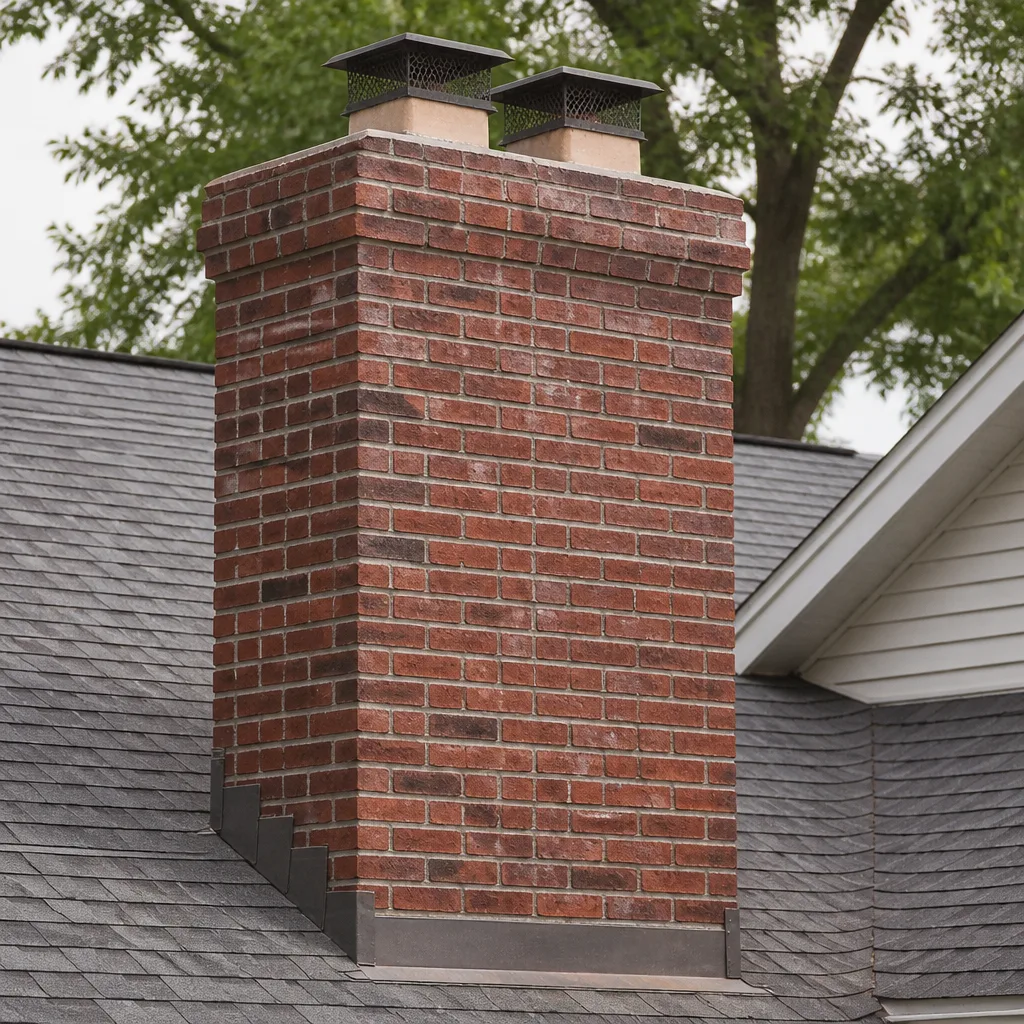 Masonry repair
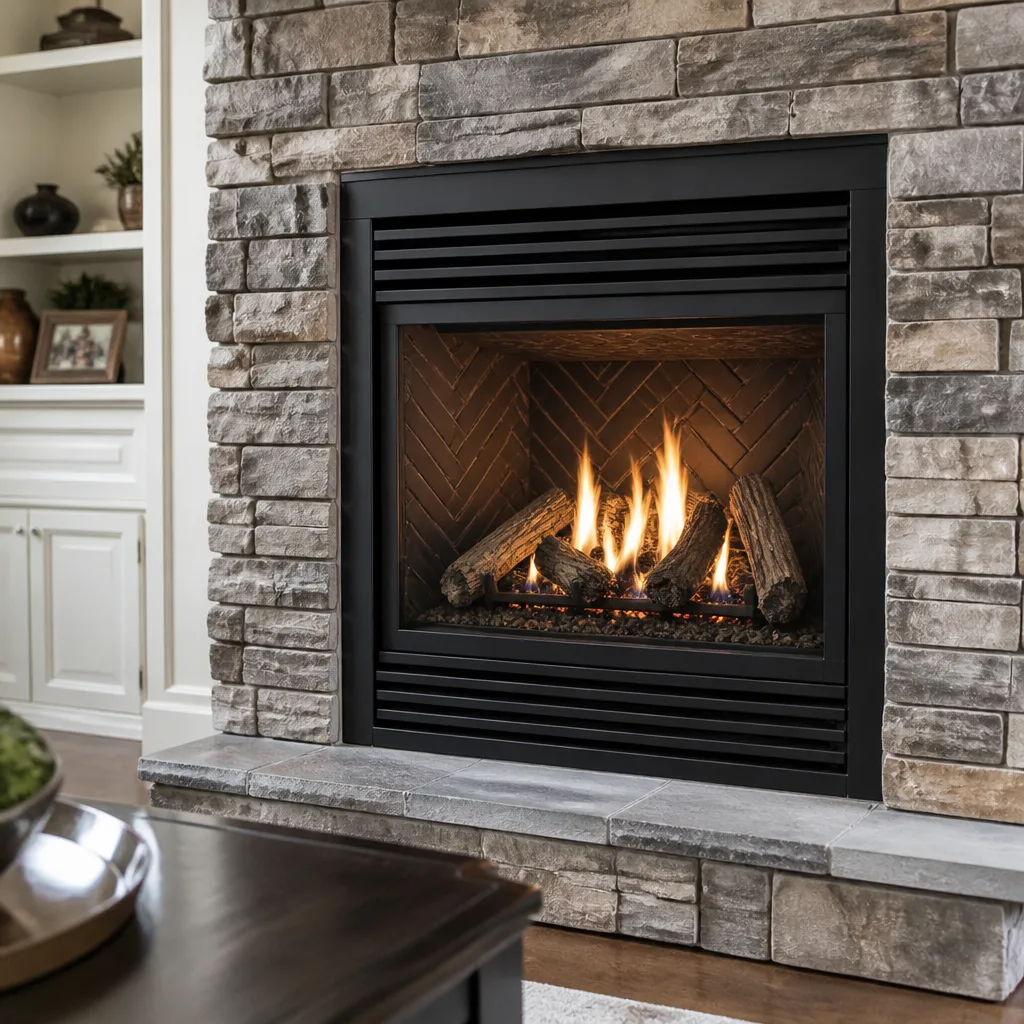 Gas fireplace service
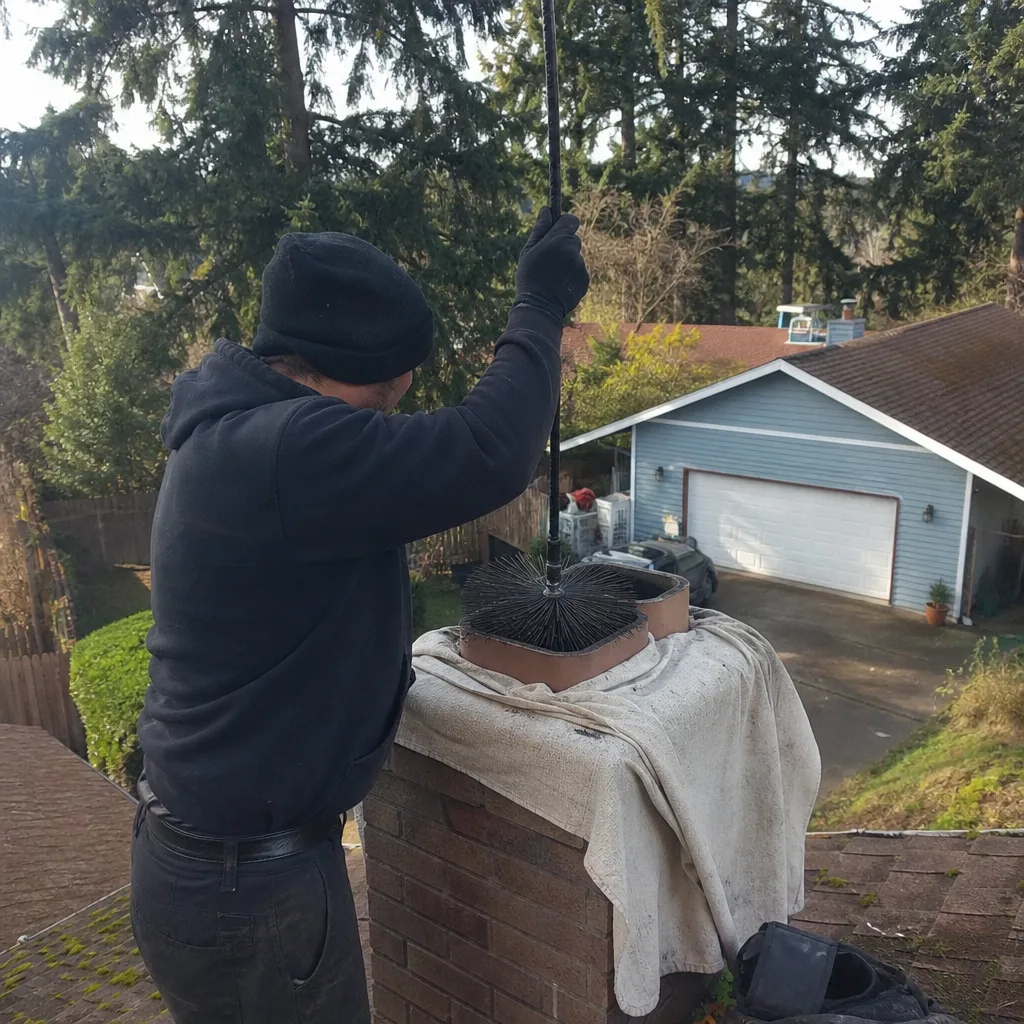
Level 1 sweep and inspection to the NFPA 211 annual standard - flue, crown, cap, and flashing checked and photographed
Chimney sweep logs do not sweep chimneys. They loosen some creosote - which then falls where a brush and vacuum still have to collect it.
Chimney Sweep Troubleshooting in Renton: Common Problems and How to Fix Them
Here’s a fact that surprises a lot of homeowners: the most common reason a Renton chimney smokes into the room isn’t a dirty flue. It’s a pressure imbalance, usually created by the same weatherization that keeps your heating bill down. Sealed windows, new insulation, tight doors – all good things that can quietly starve a chimney of the air it needs to draft. So when smoke rolls out of the firebox, sweeping the chimney won’t fix it, and you’ll have paid for a cleaning that solved nothing. This guide teaches you to read your chimney’s symptoms accurately – draft, smells, sluggish draw, creosote type – so you know whether you’re facing a cleaning, a repair, or genuinely nothing at all before anyone touches the flue.
Quick Answer
Most Renton chimney problems fall into one of three buckets: airflow and pressure problems (draft, backdraft, smoke in the room), creosote and blockage problems (glazed creosote, nests, soot buildup), or structural problems (damaged flue liner, failed crown, open joints). Draft problems usually need a repair, not a sweep. Creosote problems need cleaning, and in Renton’s wet climate, glazed stage 2 creosote often needs more than standard brushing. Structural problems need repair and are sometimes a code-required inspection situation. Diagnosing which bucket you’re in is the whole game.
Styles & brands we work with
- Sweep & inspection
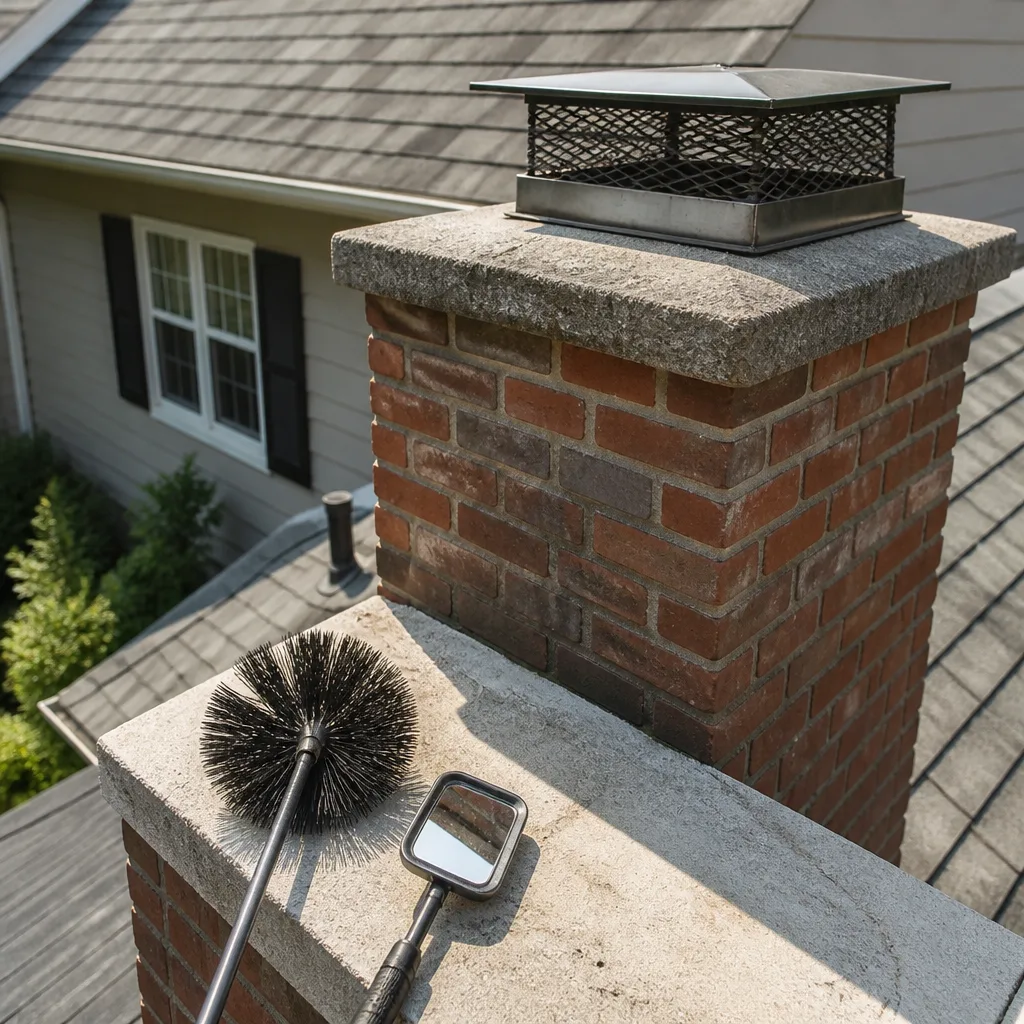
- Caps & crowns
- Flue relining
- Masonry repair
- Gas fireplace service
Table of Contents
- Draft Problem or Creosote Problem? How to Tell the Difference
- Why Renton’s Wet Climate Produces Glazed Creosote
- The Smell Test: What Each Odor Tells You
- Check Your Damper and Throat Seal in Two Minutes
- Fixing Draft and Backdraft Problems
- Removing Glazed Creosote and Blockages
- When Troubleshooting Becomes a Code-Required Inspection
- Common Mistakes to Avoid
Draft Problem or Creosote Problem? How to Tell the Difference
Smoke coming into the room can mean two very different things, and the fix is completely different depending on which one you have. Test this before you book anyone. A draft problem shows up as smoke that rolls out at startup, then settles once the fire is burning hot. It tends to be worse on windy days or when a bathroom fan or kitchen hood is running. It often gets better if you crack a window near the fireplace. A creosote or blockage problem behaves differently: smoke that gets worse as the fire builds, sluggish draw that never improves, or smoke that’s been getting progressively worse over a season.
Draft problems are about air and pressure. The chimney can’t pull air up and out because the house is fighting it for every cubic foot. Modern Renton homes in neighborhoods like Highlands and Talbot Hill are often well sealed against winter rain and cold, and that tightness is exactly what creates a negative pressure situation. The chimney loses that tug-of-war, and the flue gases take the path of least resistance – into your living room.
Creosote problems are about fuel and buildup. The flue is restricted, or the creosote has become thick and glazed, and the fire can’t vent properly no matter how much air the house has available.
Here’s the quick field test to run before you call:
- Build a small, hot fire with the damper wide open and a nearby window cracked an inch. If the smoke clears up fast, you likely have a pressure problem.
- Watch where the smoke enters. Smoke rolling steadily out the top of the firebox before the fire is hot points to draft. Smoke that pours out the front or fills the room as the fire grows points to a restriction.
- Run a bathroom fan and see if the draft gets worse. If a fan flips the chimney into reverse, that’s a pressure story, not a creosote story.
- Look up the flue with a flashlight after the fire is fully out. If you see a thick, black, tar-like coating, that’s glazed creosote and it needs more than a brush.
Two different problems, two different answers. Get this diagnosis right and you skip a wasted service call. Get it wrong and you’ll be sweeping a chimney that was never the issue.
Why Renton’s Wet Climate Produces Glazed Creosote
Renton isn’t a dry-climate town. Rain, damp air, and the long wet season from fall into spring shape how wood burns here, and that shapes what ends up on your flue walls. This isn’t a minor detail. The type of creosote that builds up in Renton chimneys is often the type that brushing alone can’t remove.
Creosote forms in three stages. Stage 1 is light, flaky soot that a standard brush takes off easily. Stage 2 is a thicker, denser deposit, often crusted or stringy. Stage 3 is glazed, hardened, and looks almost like a shiny tar coating that’s bonded to the flue wall. Renton’s wet winters push homes toward stage 2 and stage 3 buildup faster than you’d expect because:
- Wood stored outside picks up moisture from the damp air, and wet wood burns cooler and smokier. Cooler flue gases deposit more creosote on the flue wall instead of venting it out.
- Cool outdoor air meeting a cool flue means the flue stays below the temperature where deposits burn off cleanly, especially in the shoulder seasons and on those raw, drizzly days.
- Homeowners burn longer, cooler fires in winter trying to stretch the heat, and smoldering fires are the biggest creosote producers there are.
- Older chimneys in neighborhoods like Kennydale and Renton Hill often have clay tile flues that have seen decades of wet-season burns and accumulated hardened deposits.
Stage 2 glazed creosote needs a specific approach. A standard rotary brush can skate right over it. Proper removal usually involves targeted methods – sometimes a chemical treatment to soften the glaze, sometimes mechanical removal with the right tooling, sometimes both – and that’s before we check whether the flue liner itself has been damaged by the heat. For homeowners, the takeaway is simple: if your flue has a hard, shiny coating, don’t assume a routine sweep will handle it. Ask what method the sweep will actually use.
This is part of the case for a specialist rather than a generalist. Knowing which creosote stage you’re looking at and treating it correctly is chimney work, not a quick pass with a brush and a shop vac.
The Smell Test: What Each Odor Tells You
Your nose is a diagnostic tool. Chimney odors are specific, and each one points to a root cause you can use. Most people call about a smell before they ever notice smoke, and the smell is usually telling them something real.
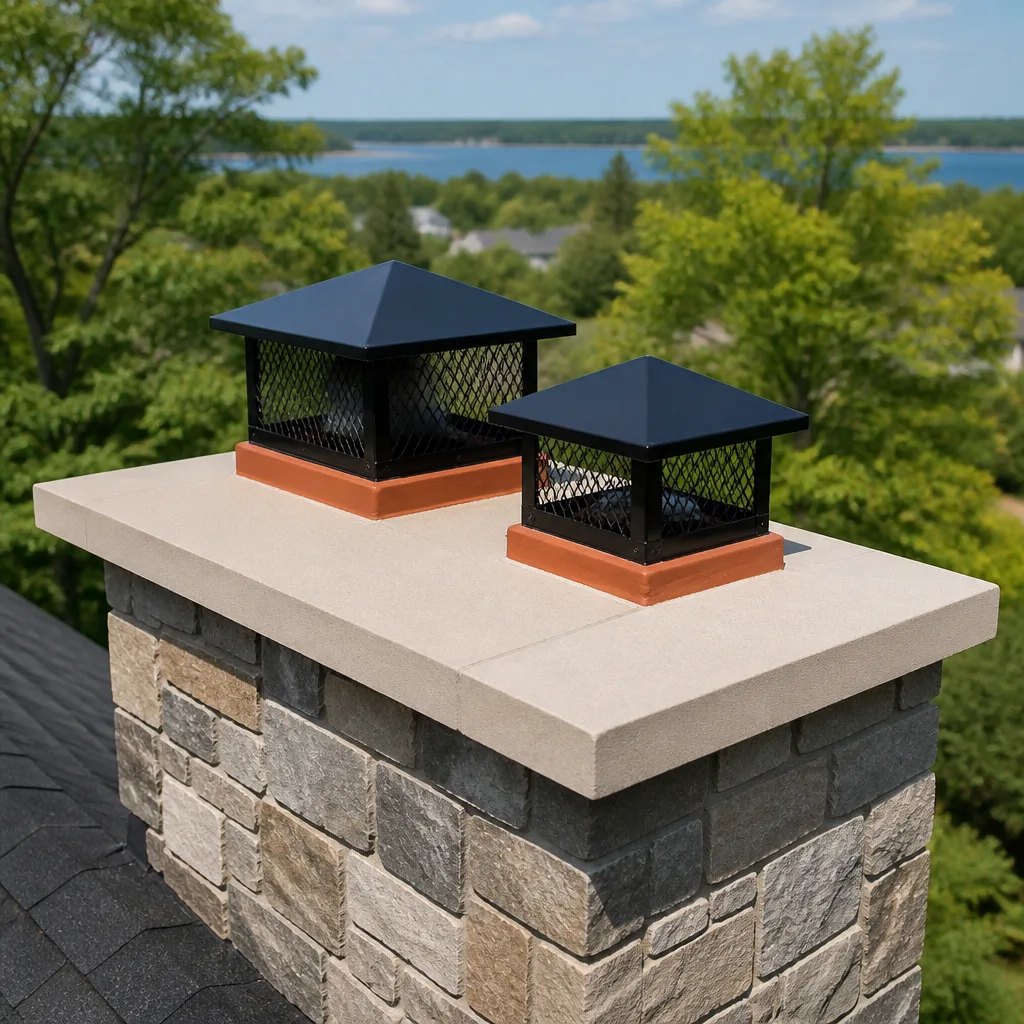
Musty or damp, basement-like smell. This points to moisture in the chimney or firebox. In Renton, where rain runs off a cracked crown and into the flue, or where a missing chimney cap lets water in, dampness builds up and produces a musty, moldy odor even when there’s no fire. Left alone, moisture leads to spalling – the flue lining breaking down and flaking – which is a structural problem, not a smell problem. A proper cap, whether a Gelco or Olympia Chimney model sized to your flue, keeps water out and usually resolves the smell at the source.
Burning plastic or chemical smell. If you smell burning plastic with no fire going, or when you first light a fire after a while, this usually points to creosote reacting to heat, or residues from debris in the flue. Sometimes it’s the glazed creosote on the flue wall heating up and off-gassing. A genuinely sharp chemical smell with a fire burning needs attention right away: stop using the fireplace and get it looked at. It can indicate a damaged liner that’s allowing heat or gases where they shouldn’t go.
Sulfur or rotten egg smell. This is the one to take seriously. Sulfur odors suggest combustion gases finding a path into the living space rather than up the flue. That’s a draft and venting problem, and it needs a professional look, not air freshener. If you smell sulfur and also feel headachy or queasy, leave, air out the house, and call for help.
A general smoky, campfire smell even with no fire. Usually a sign of creosote deposits that release odor when the air is damp, or a downdraft pulling old smoke smells back down the flue. Sometimes the fix is a cleaning, sometimes it’s a top-seal or cap, sometimes it’s a top-mounted damper from Olympia Chimney that stops the back-and-forth between indoor and outdoor air.
Check Your Damper and Throat Seal in Two Minutes
Before you assume you need a sweep, check the damper. It’s the most common and least expensive chimney problem there is, and it takes about two minutes.
- Make sure the fireplace is completely cold. No embers, no warm ash.
- Look up into the firebox at the damper – the metal plate assembly just above the firebox opening. Reach up and find the handle or lever.
- Open it fully. A damper that’s stuck partly closed, or that’s opened but hanging on a broken frame, chokes the fire and mimics a creosote problem.
- Check the fit. Look for rust, warping, or gaps where the plate should sit flush against its frame. A damper that won’t seal flush when closed lets cold outdoor air pour in when the fireplace is off, which cools the whole house and can cause a cold-flue backdraft when you light up.
- Check the throat itself, the area right above the damper where the firebox narrows into the flue. Look for broken masonry or gaps between the throat and the flue tile. A cracked throat seal lets smoke escape into the cavity between the firebox and the framing, which is a serious safety issue, not a draft nuisance.
If the damper opens easily and closes flush and the throat looks solid, you’ve eliminated one of the top three causes of chimney trouble in two minutes. If the damper is seized, warped, or hanging loose, that alone could explain the smoke, and a repair is the first step, not a sweep.
One note of caution: don’t stick your head up into the firebox and look up the flue with the fireplace in use, and don’t try to force a stuck damper. The linkage can break and the whole assembly can drop. If it won’t move, leave it to a pro.
Fixing Draft and Backdraft Problems
Draft and backdraft problems are the most misunderstood chimney complaints in Renton, in large part because they get misdiagnosed as “the chimney needs cleaning.” The cleaning doesn’t help because the problem isn’t blockages. It’s the relationship between your house’s air pressure and your chimney’s ability to pull.
Modern weatherization creates pressure stacks that fight the chimney. When a house is sealed tight against winter cold, every exhaust fan – bathroom vent, kitchen hood, dryer, even a furnace or water heater – pulls air out of the house. Air has to come from somewhere, and if the house is tight, it comes down the chimney. That’s the reverse draft. A chimney that’s been “fixed” with a sweep will backdraft again the first time a fan runs.
The fixes fall into a few categories, and the right one depends on your house and your flue:
- Air supply. Sometimes the answer is a proper exterior combustion air supply, or simply installing a fireplace outside-air kit. Some older Renton homes in neighborhoods like Bryn Mawr already have one; most don’t.
- Flue height and termination. A flue that’s too short, or that ends near a nearby roof or tree line, won’t draw, especially in a crosswind. Raising the flue or adjusting the cap can help, and a proper top-mounted cap from Gelco or Olympia Chimney can stop wind from pushing smoke back down.
- Top-sealing damper. An Olympia Chimney top-mounted damper changes the physics: it seals at the very top of the flue, not at the throat, so the flue stays warmer and the pressure balance shifts in the chimney’s favor. It also solves the “cold air pours down the flue when the fireplace is off” problem most throats can’t stop.
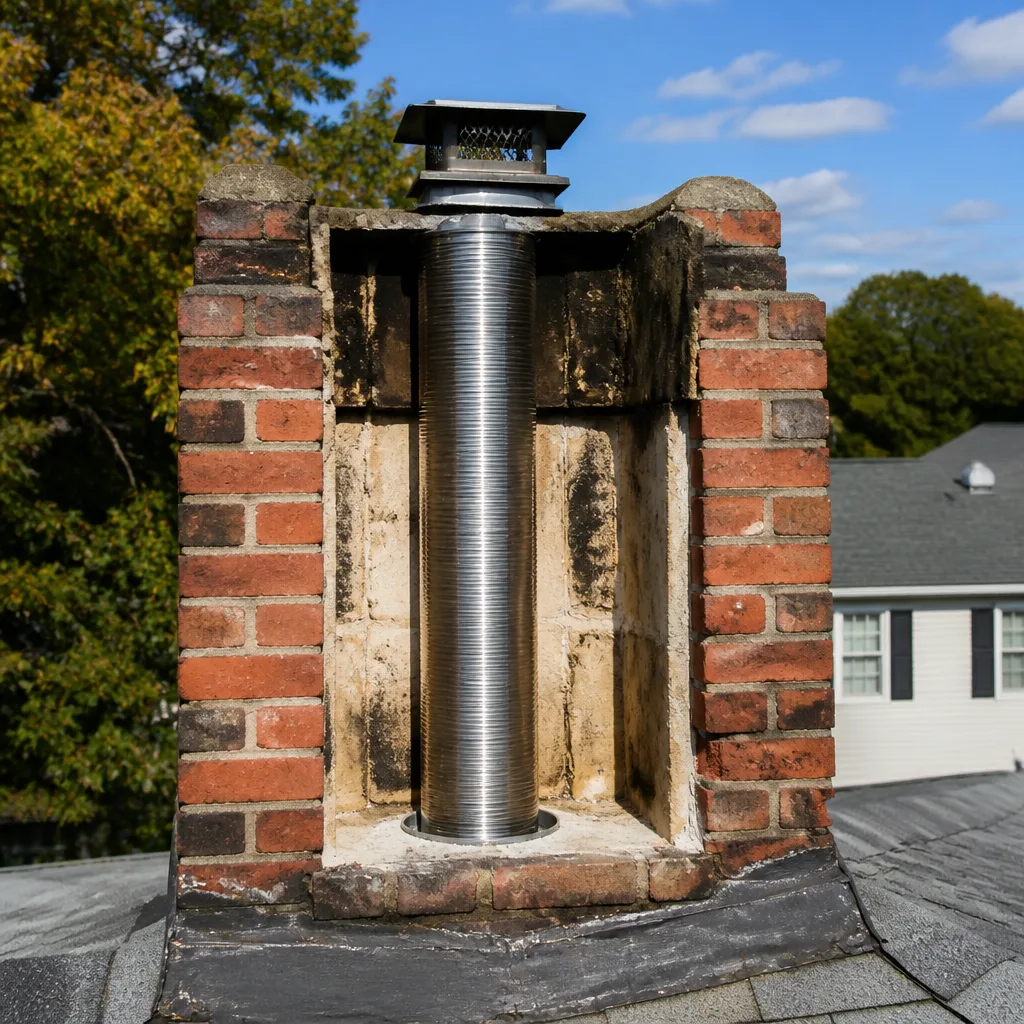
- Insulated liner. A cold, uninsulated exterior flue loses heat fast in wet weather. A DuraFlex flexible liner brings insulation down the flue to keep the chimney warm, which promotes draft and reduces creosote – plus it’s a strong option for older homes with offset or non-standard flue geometry that rigid liners can’t handle.
What a draft repair almost never is: sweeping. If the chimney is clean and it still backdrafts, sweeping it a second time will not fix it. That’s why we diagnose first.
Removing Glazed Creosote and Blockages
A proper chimney sweep is thorough, and for standard stage 1 soot, a well-run sweep does the job. But Renton’s wet weather makes glazed stage 2 creosote common, and it changes what “sweep” actually means. Here’s how we approach it.
- Inspect first. Before any brush goes up, we inspect the flue to determine the creosote stage and liner condition. A chimney with damaged liner and heavy glazed creosote isn’t a brush job; it’s a repair plan. This is where a chimney sweep should always start.
- Use the right method for the deposit. Stage 1 creosote comes off with standard rotary brushing. Stage 2 glazed creosote needs chemical softening or targeted mechanical removal, sometimes both in sequence. A brush-and-vac alone leaves the glaze behind.
- Remove blockages. Nests, branches, leaves, and fallen mortar are common in Renton chimneys, especially when a chimney lacks a proper cap. We remove blockages with the lined flue protected, not by forcing tools through debris.
- Check the liner after. Glazed creosote is created by heat, and heat damages liners. After any heavy cleaning, we inspect the liner and joints. If the liner is compromised, it’s a repair situation, and HeatShield chimney resurfacing is often the right method for restoring it without a full reline.
- Prevent the next round. The best sweep is the one you don’t need as fast. Seasoned wood, a proper cap, and a well-insulated flue cut creosote formation noticeably.
Creosote removal and liner repair belong together because one almost always follows the other. That’s the real value of a specialist: sweep, repair, and inspect are the same visit, not three contractors.
When Troubleshooting Becomes a Code-Required Inspection
Some calls are “troubleshooting” calls, and some are code-required inspection situations. Knowing the difference matters because the inspection answer changes what you’re legally and practically entitled to ask for. You don’t need to quote code sections to us – we’ll sort this with you – but here’s the distinction.
In King County, as across most of Washington, a chimney that’s part of a solid-fuel appliance or that’s tied into a sale, rental, or real estate transaction usually triggers an inspection requirement, and local building departments set the rules. If you’re buying or renting a home with a wood fireplace, or your insurer, inspector, or real estate deal flags the chimney, that’s an inspection, not a sweep. A sweep cleans; an inspection evaluates the flue, the liner, the damper, the crown, and the firebox, and it produces a report. If you ask for a sweep and a report on condition, you’re asking for an inspection.
If you have a chimney that’s still structurally sound and you just have symptoms, it’s a diagnostic service call and it’s routine. But if the chimney has been involved in a fire, a collapse, or any significant damage, or a real estate or insurance requirement is in play, the request becomes an inspection, and that’s the right path. We’re happy to talk through which applies to your situation.
This is where a chimney repair company that also does inspections earns its keep: you don’t have to interpret one contractor’s findings through another’s. Our inspections are on the same visit, with the same technician and the same standards.
Common Mistakes to Avoid
- Sweeping a draft problem. If the chimney backdrafts from pressure, a brush won’t change the pressure. You pay for a cleaning and the smoke comes back.
- Assuming any smell means a cleaning. A musty smell means moisture, a sulfur smell means venting, and neither gets fixed by sweeping. Diagnosis before service.
- Painting over a damaged crown. Water damage at the crown is what drives moisture into the flue. Patching it visually doesn’t stop the water, and the flue keeps spalling.
- Letting a stage 2 glazed flue get “swept” with a brush only. Brush work on glazed creosote looks thorough and leaves the heavy deposit behind. Ask what method will be used.
- Skipping the cap. A missing or loose cap in a wet climate is an invitation for rain, nests, and draft problems. It’s an inexpensive fix that prevents expensive repairs.
- Assuming the chimney is fine because the fire “looks good.” Creosote and liner damage can sit quietly behind a healthy-looking flame. The inspection is the only way to know.
- Trying to remove glazed creosote or a stuck damper yourself. Both are genuinely dangerous. Ladder work, sharp tools, and a flue full of hardened tar are no place for a homeowner’s toolbox.
One more: don’t treat a gas appliance or insert like a wood fireplace. A gas insert still needs its flue checked, and the carbon monoxide risk is real if a flue or vent is compromised. If your carbon monoxide alarm goes off, get out and call 911 first; then we’ll take a look.
See the difference
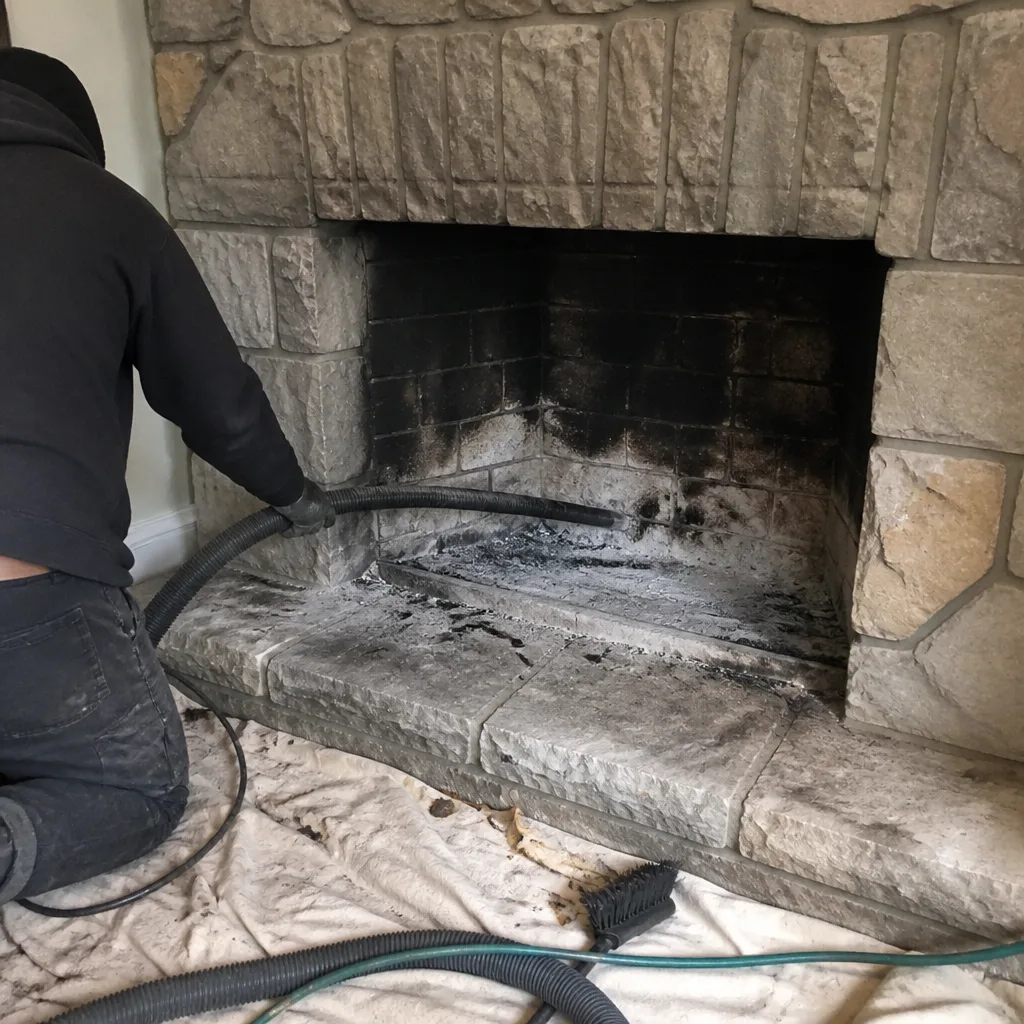 Before
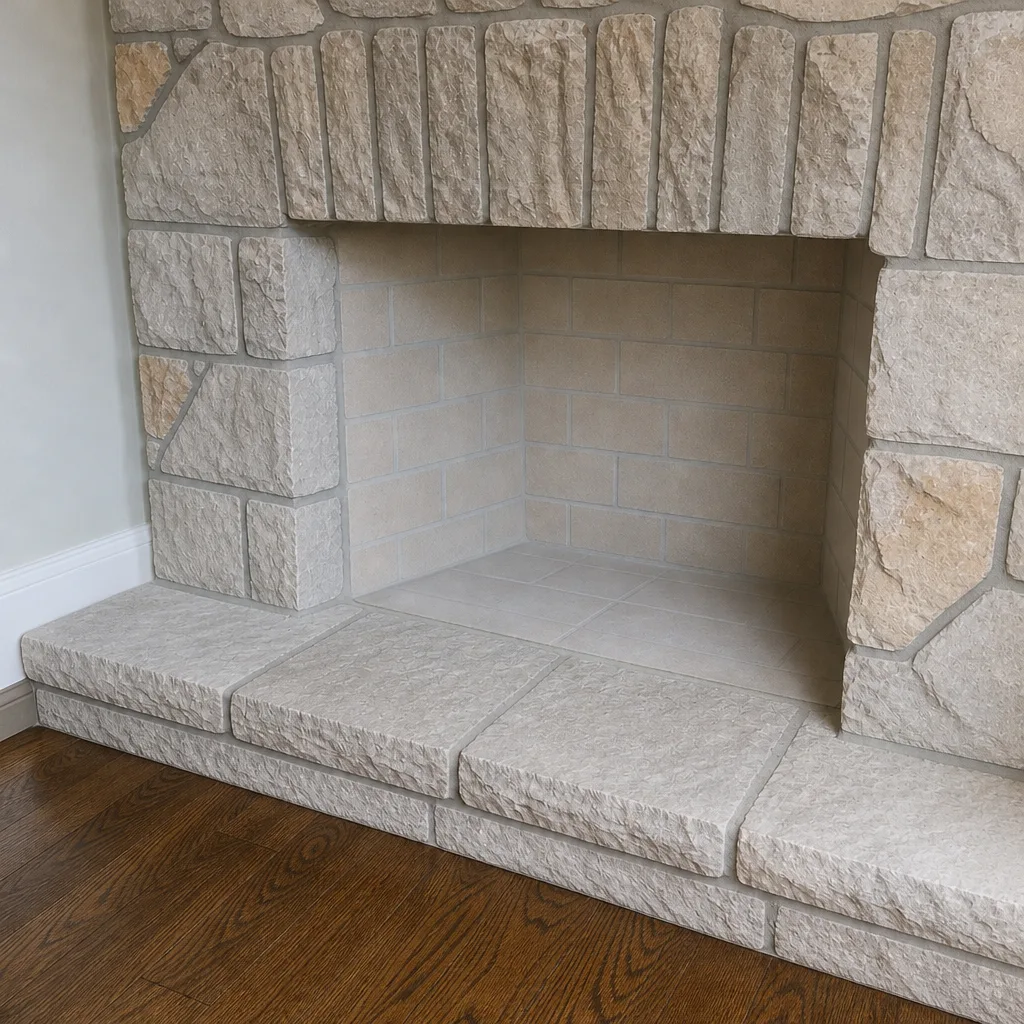 After
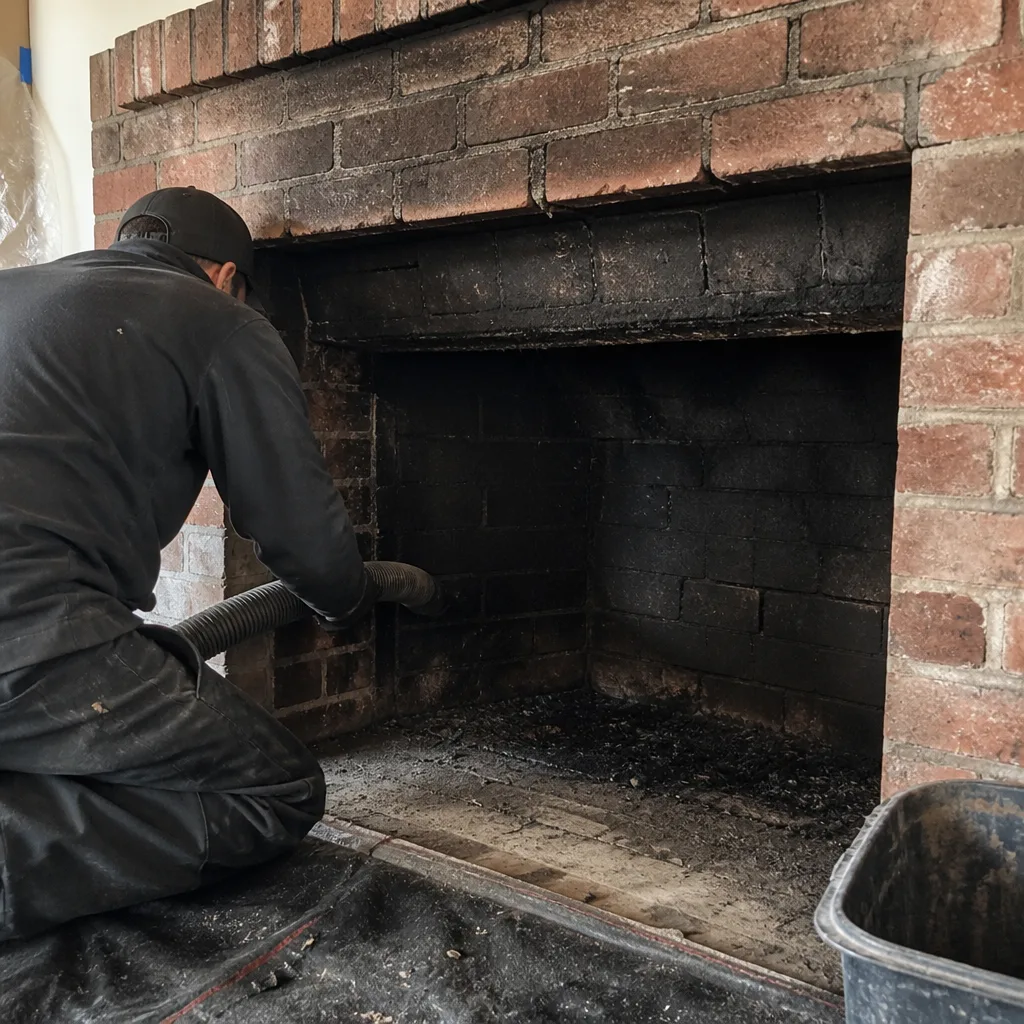 Before
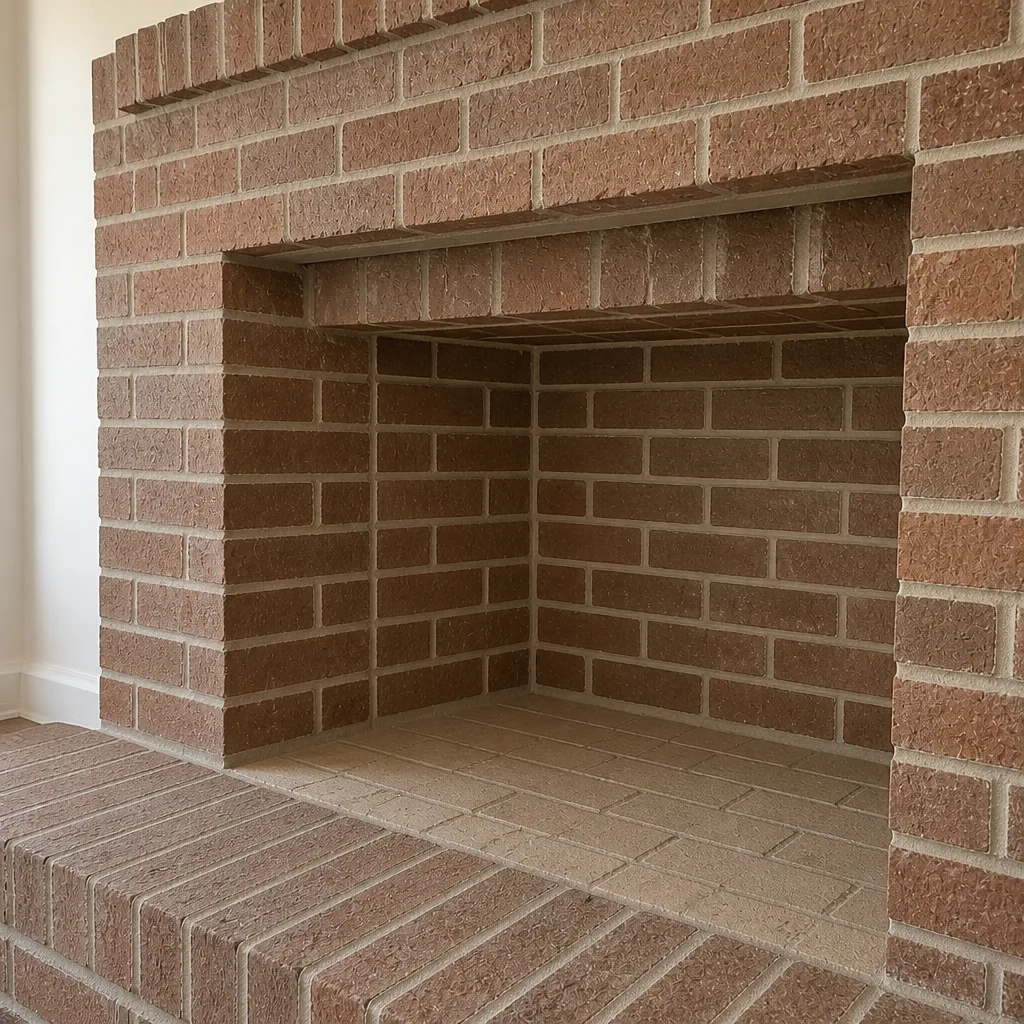 After
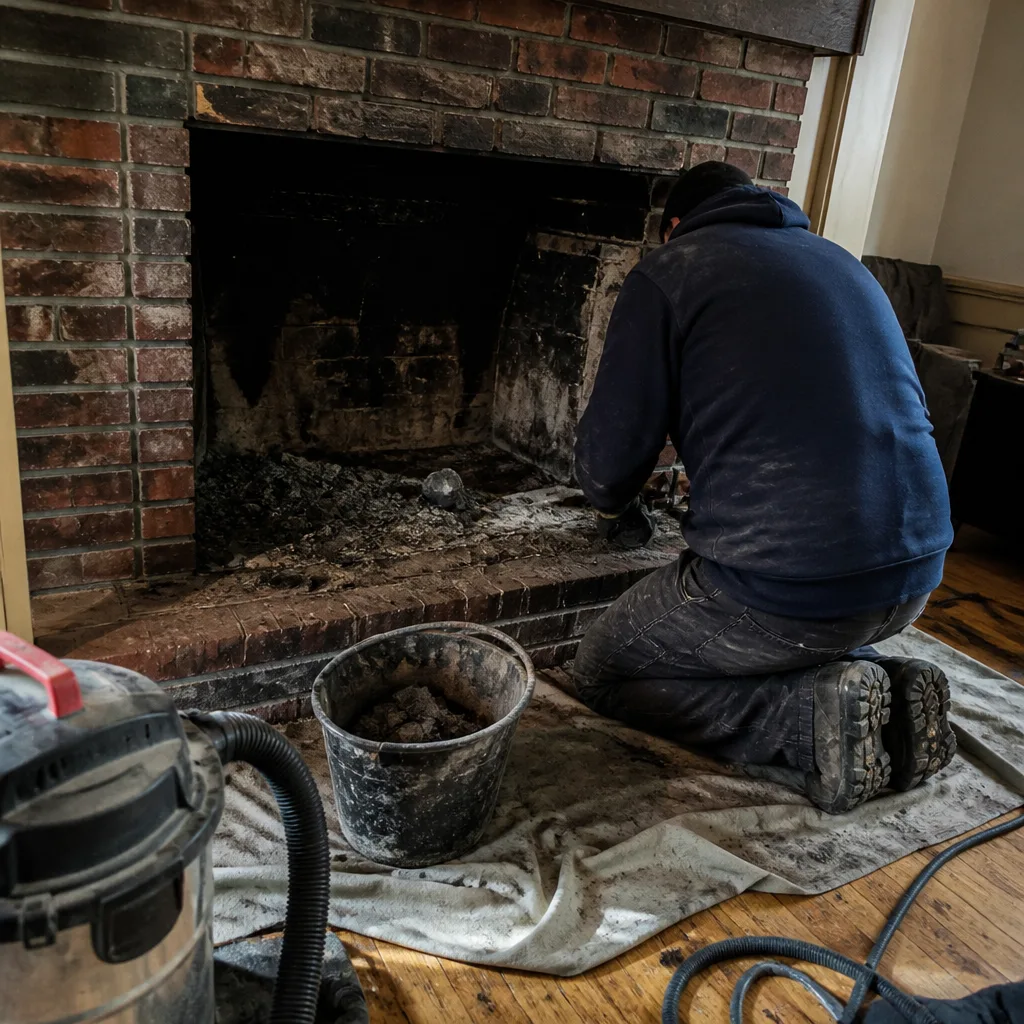 Before
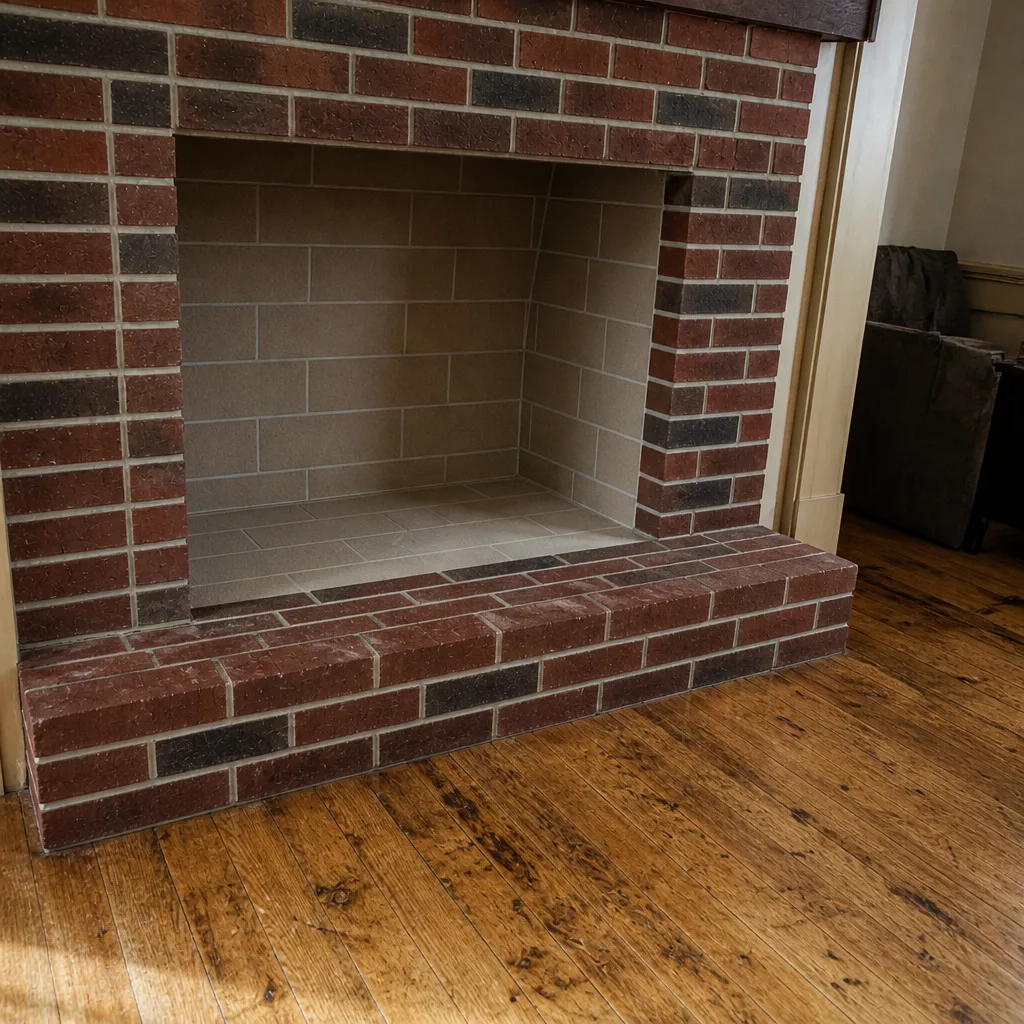 After
When to Call a Professional
Call when you’ve got smoke rolling into the room that a cracked window doesn’t fix, when the flue has a hard shiny coating you can see with a flashlight, when a sulfur or chemical smell shows up with a fire, or when a damper won’t open or won’t seal. Call if you haven’t had the chimney looked at in a while and you burn wood regularly. And call before a real estate transaction or insurance inspection catches you off guard. This is Renton, and the wet-season chimney problems we see here reward early diagnosis. Chimney Sweep Renton offers free estimates in Renton. Call (833) 754-5974. We answer 24/7, with fast dispatch from 7am to 7pm, Sunday through Friday.
Frequently Asked Questions
The most likely cause is a draft or pressure problem, not a dirty flue. Modern weatherization in Renton homes seals the house tight, and bath fans, kitchen hoods, and competing appliances can pull air down the chimney instead of allowing it to vent. Test it by cracking a nearby window: if the smoke clears, you’ve found a pressure issue. If it doesn’t, the flue may be blocked or restricted, and you need a professional diagnosis. Call (833) 754-5974 before you book a cleaning that won’t fix it.
Normal soot is soft, flaky, and comes off with a brush, while glazed creosote is hard, shiny, and tar-like, bonded to the flue wall. In Renton’s wet climate, stage 2 glazed creosote is more common than homeowners expect because damp wood and cool flues deposit it faster. Glazed creosote needs targeted removal, not just brushing. Call (833) 754-5974 for an assessment of what’s actually in your flue.
A sweep is for soot and light stage 1 creosote inside a structurally sound flue, while a repair is for damaged liners, crowns, dampers, throats, or draft problems. A quick way to sort it: if the issue is smoke backing into the room and the chimney is otherwise clear, it’s usually a repair. If the flue is loaded with buildup, it’s a cleaning. Call (833) 754-5974 for a free estimate that gives you the actual answer.
A musty smell almost always means moisture is entering the chimney, typically through a cracked crown, a missing or damaged cap, or masonry that’s absorbing water. In a wet climate like Renton’s, moisture leads to spalling and liner damage if it isn’t addressed. A proper cap and a crown repair usually solve it. Call (833) 754-5974 and we’ll trace the source rather than guess.
Often yes. A sweep, a damper repair, a cap replacement, or a minor repair can frequently be handled on the same visit after we diagnose what’s happening. Structural repairs that need parts or a liner are scheduled around what’s found. We’ll always tell you plainly what’s needed, what it costs, and what can wait. Call (833) 754-5974 for the specifics of your chimney.
A sweep cleans, and an inspection evaluates the condition of the flue, liner, damper, crown, and firebox. If you’re buying, renting, or dealing with an insurance or real estate requirement, that’s usually an inspection situation in King County. If you’re burning wood and concerned about how your chimney is performing, it’s a diagnostic call. Call (833) 754-5974 and we’ll confirm which applies.
The Bottom Line
Most Renton chimney problems are diagnosable before anyone touches the flue. Smoke in the room is usually pressure, not dirt. Glazed creosote is common here because of the wet climate, and it needs more than a brush. Each odor has a specific root cause, and each one has a fix. Check the damper early, watch for the symptoms that separate a draft problem from a creosote problem, and don’t assume a sweep is the answer. When the symptoms point to structural work, a Chimney Sweep Renton service call combined with repair and inspection answers the whole question in one visit. Call (833) 754-5974 for a free estimate. We answer 24/7, with fast dispatch from 7am to 7pm, Sunday through Friday.
Written by the team at Chimney Sweep Renton.