
Last updated November 16, 2026
 Sweep & inspection
 Caps & crowns
 Flue relining
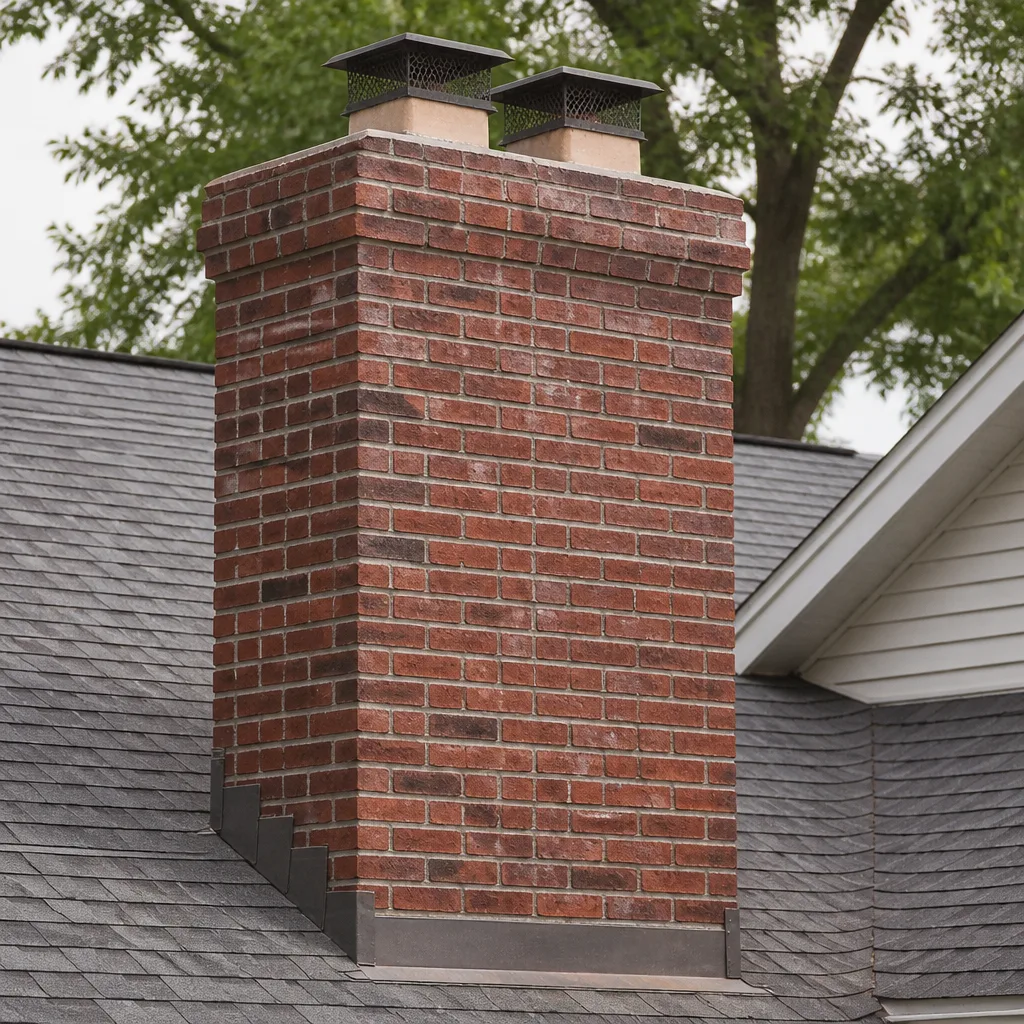 Masonry repair
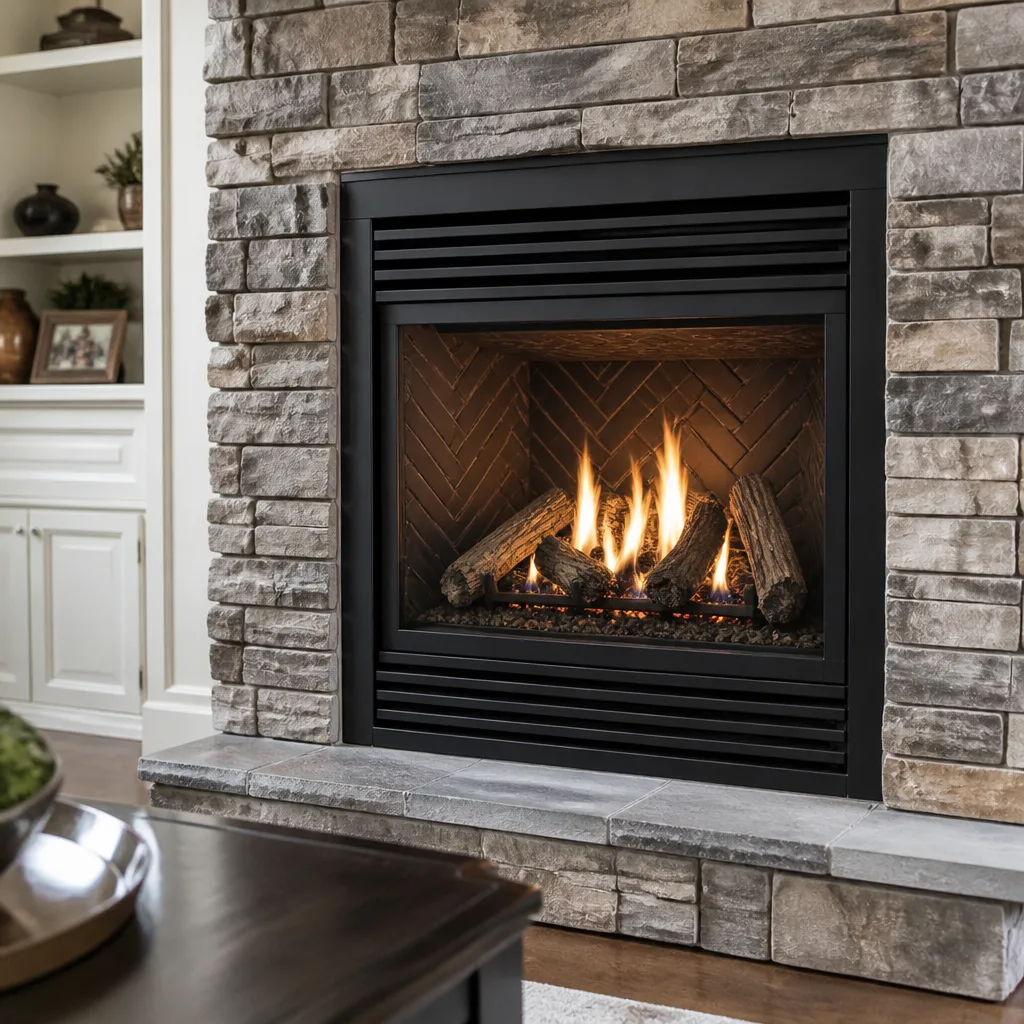 Gas fireplace service
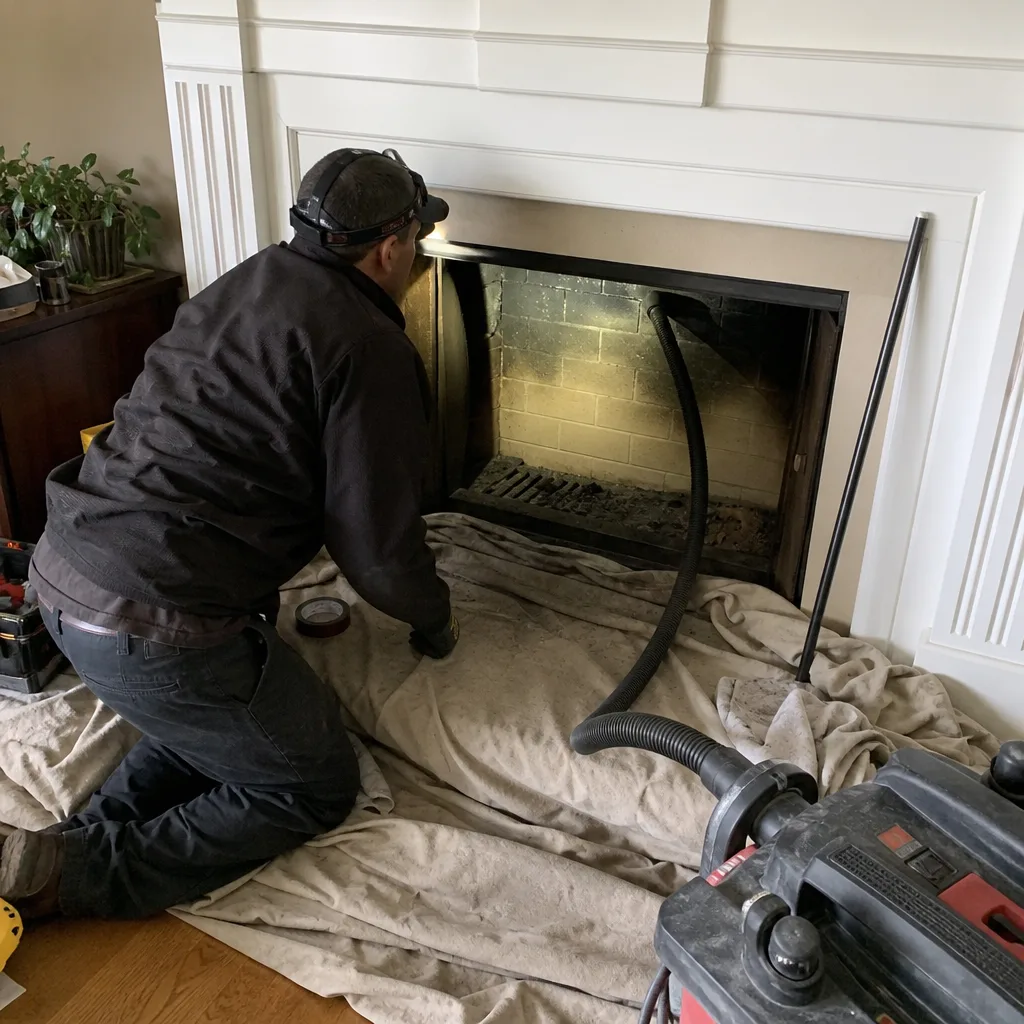
Level 1 sweep and inspection to the NFPA 211 annual standard - flue, crown, cap, and flashing checked and photographed
Chimney sweep logs do not sweep chimneys. They loosen some creosote - which then falls where a brush and vacuum still have to collect it.
Seasonal Chimney Cleaning Care for Renton: Year-Round Homeowner’s Guide
Most Renton homeowners schedule a chimney cleaning in October, right when the first cold snap hits and the fireplace is about to earn its keep again. That’s the most common timing mistake we see. October leaves no room to fix what an inspection finds, and it means the chimney sat through an entire wet summer unattended. Chimney care here isn’t driven by temperature the way it is in colder states. It’s driven by moisture, burn-season timing, and what happens to an idle flue during a damp Pacific Northwest summer. In this guide, we’ll walk through what each season actually asks of your chimney in Renton, why late summer beats fall for cleaning, and a month-by-month reference built for this climate rather than a generic national template.
Quick Answer
The best time to schedule chimney cleaning in Renton is late August or early September, before burn season begins and while there’s still time to complete any repair the inspection uncovers. Year-round care breaks into four jobs: a pre-season cleaning and inspection in late summer, active monitoring and safe burning through fall and winter, a spring cap-and-crown check after the rainy season, and off-season moisture protection during the dry summer months. Skipping any one of these doesn’t cause a problem overnight, but the neglect compounds.
Styles & brands we work with
- Sweep & inspection
- Caps & crowns
- Flue relining
- Masonry repair
- Gas fireplace service
Table of Contents
- Why Renton’s Chimney Calendar Isn’t Driven by Temperature
- Why Late August or Early September Is the Best Time to Clean
- What Happens to a Clay Tile Liner During Renton’s Wet Summers
- Spring Tasks That Protect the Chimney During the Off-Season
- Managing a Fireplace During the Shoulder Seasons
- A Month-by-Month Reference for Renton Chimney Care
- What a Professional Inspection Actually Covers
- Why Trade-Grade Materials Matter for Renton Chimneys
Why Renton’s Chimney Calendar Isn’t Driven by Temperature
In much of the country, chimney care follows the freeze. Homeowners think about the chimney when the first frost arrives and forget it when spring thaws the ground. Renton doesn’t work that way. Winters here are cool and wet rather than brutally cold, and the burn season is longer and less defined. What shapes chimney condition in Renton is moisture, not mercury.
Renton sits in a basin where the Cedar River meets Lake Washington, and the surrounding hills, from Kennydale up through the Highlands, hold damp air longer than the open lowlands do. Summers are dry but not scorching, and the rainy season stretches from fall well into spring. That means a chimney here spends more months wet than a chimney in a drier climate, and less time frozen. Both facts matter.
Moisture is the slow enemy. It works on the masonry from the outside in, on the crown and cap first, then the mortar joints, then the flue itself. Heat is the fast enemy, and it only shows up during burn season. A chimney that gets cleaned and inspected on a temperature-based schedule misses the moisture half of the equation entirely.
So the practical takeaway: think about your chimney in terms of wet season and dry season, not winter and summer. The wet season is when damage accumulates quietly. The dry season is when you have the best window to fix it. And the transition between the two, in late summer, is when the whole system should be checked, cleaned, and made ready for the fire you’re about to light.
Why Late August or Early September Is the Best Time to Clean
Late August or early September is the ideal window for a chimney cleaning in Renton. Here’s why that timing beats the October rush.
By late summer, the chimney has been idle for months and the creosote from last season has had time to harden and stabilize. It’s a good moment to remove it, before a fresh layer begins building on top. The weather is still dry, which matters if any repair is needed. Mortar, crown coating, and liner work all cure better in dry, mild conditions than in the cold drizzle of late October.
More importantly, a late-summer cleaning leaves you a cushion. If the inspection turns up a cracked crown, a damaged cap, or a liner problem, you have weeks to schedule the fix before the first genuinely cold evening. In October, a homeowner facing the same findings is often forced to either postpone the repair into the burn season or burn in a chimney that isn’t ready.
Here’s the sequencing that works:
- Book the sweep and inspection together. A cleaning without an inspection tells you the flue is cleaner but nothing about its condition. Book both in one visit.
- Get the findings in writing. A camera inspection and a photo report let you see the flue yourself. You should never be asked to approve a repair you can’t verify.
- Schedule any repair immediately, while the weather holds. Cap replacement, crown sealing, and liner restoration all benefit from a dry window.
- Do a first test burn in late September or early October. A small fire confirms draft and lets you smell for anything off before you rely on the fireplace for warmth.
If you’ve already missed the window this year, don’t wait for next August. Call Chimney Sweep Renton and get the chimney evaluated before you start burning in earnest.
What Happens to a Clay Tile Liner During Renton’s Wet Summers
A clay tile liner in a Renton chimney spends most of the year exposed to moisture, and the cap is the only thing standing between the flue and the rain. When the cap is missing, cracked, or pulled loose by wind, water gets in. That’s where the real damage starts.
Clay tile is durable against heat, but it doesn’t love repeated wetting and drying. Water entering at the top runs down the inside of the flue, soaks into the mortar joints between tiles, and works into the surrounding masonry. In a wet climate, that cycle repeats for months. Over time the joints can spall and the tiles can crack, especially where the flue has absorbed moisture and then been rapidly heated by a fire.
Symptoms homeowners in Renton notice first:
- White, chalky staining on the exterior brick or on the chimney crown (efflorescence, a sign of moisture moving through the masonry)
- Rust on the damper or firebox hardware after a wet stretch
- A musty or damp smell from the fireplace on humid days, especially in summer
- Flaking mortar between bricks on the chimney exterior
- Visible cracks in the crown, or a cap that’s loose or missing
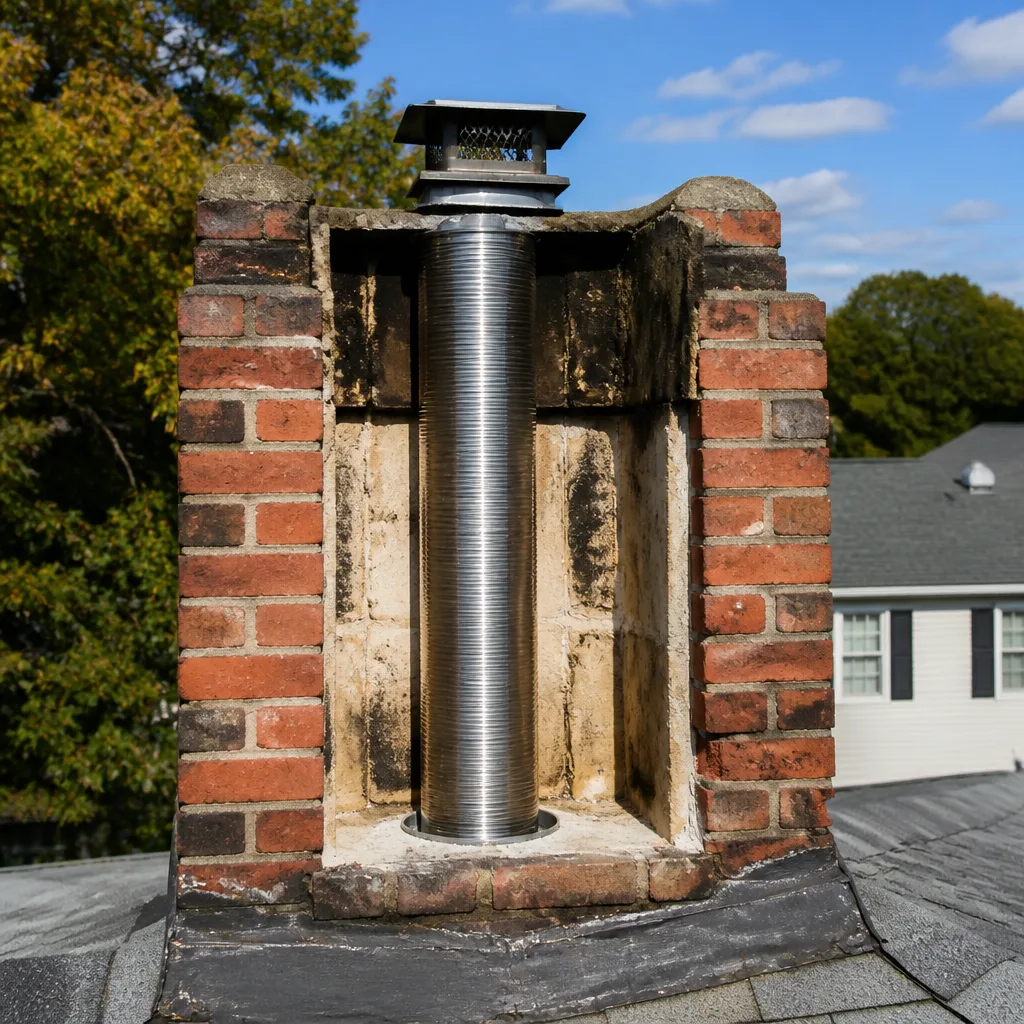
The fix isn’t always a full liner replacement. A damaged cap can be replaced with a properly fitted unit from Gelco or Famco, which restores the water barrier. Cracked crown mortar can be repaired and sealed. If the flue itself is compromised, flexible liner systems like DuraFlex can often be run through older, offset, or non-standard flues that a rigid liner can’t navigate. For liners that are structurally sound but have surface damage, HeatShield resurfacing can restore the interior without a full tear-out.
What we’ve seen in Renton is that a surprising amount of summer liner damage traces back to a cap that was never replaced after a windstorm or that had been missing for years. A cap inspection in spring, before the wet season, is cheap insurance against a liner problem by fall.
Spring Tasks That Protect the Chimney During the Off-Season
Spring is not the time for a full cleaning. It’s the time to seal the chimney up and keep the wet season out. The goal is to close every door water can come through, then leave the flue alone until late summer.
The spring checklist:
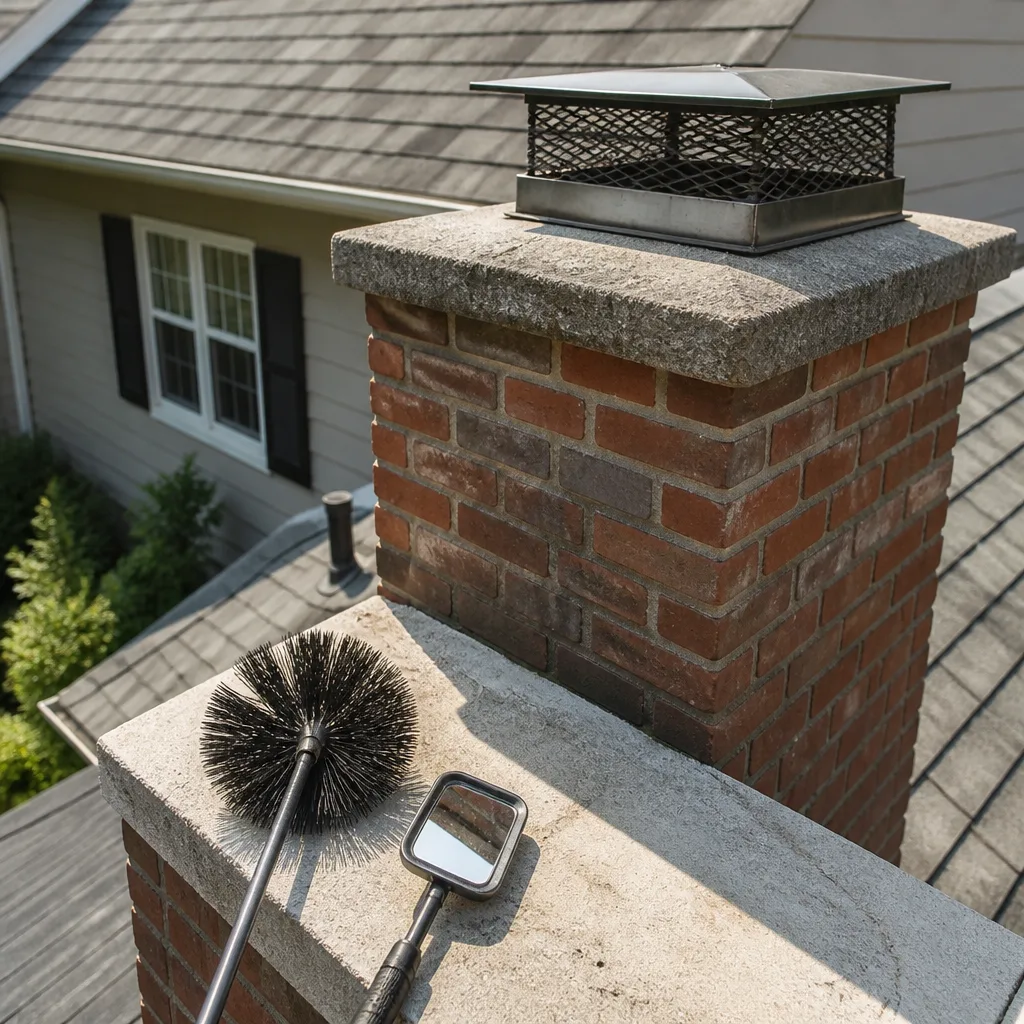
- Inspect the cap. Look for cracks, rust-through on the mesh, missing fasteners, or a cap that’s out of level. A cap that survived winter storms may have been nudged loose. Replace it if it’s compromised.
- Check the crown. The crown is the sloped concrete or mortar top of the chimney. Hairline cracks are normal, but anything wide enough to catch water needs sealing or repair before the rains return.
- Look at the flashing. The metal where the chimney meets the roof is a common leak point. Lifted or rusted flashing should be addressed before it lets water into the attic or ceiling.
- Close the damper and inspect the firebox. Make sure the damper seats fully and doesn’t leave a gap. A damper that won’t close lets outside air (and humidity) into the flue all summer.
- Note any masonry staining. If you see new white staining or spalling on the exterior, note where and photograph it. It’ll help the technician track a moisture pattern later.
- Clean out the firebox. Leftover ash holds moisture. Remove it and leave the firebox dry for the season.
The reason this matters in Renton specifically is that our wet season runs long. Between October and April, a chimney without a good cap and sound crown takes on months of water. By the time a homeowner notices a problem, it may have been working on the masonry for a full rainy season. Sealing in spring is what keeps the flue sound for the burn season ahead.
If you’d rather have a professional look at the cap, crown, and flashing, a chimney repair visit in spring catches problems while the schedule is calm.
Managing a Fireplace During the Shoulder Seasons
The shoulder seasons are the hardest part of the year to manage a fireplace in Renton. October often brings cool, wet days that make you want a fire, then a warm stretch that makes you forget the fireplace entirely. March is the reverse: some days feel like spring, others feel like winter hasn’t left. Inconsistent burning is actually harder on a chimney than steady use.
The problem is incomplete combustion. When a fire is lit, then left to smolder, then relit, then left again, the chimney stays cool between burns. Cool flues don’t draft as well, and incomplete combustion produces more creosote than a hot, well-tended fire. Over a shoulder season of inconsistent burning, an idle chimney can build up more creosote than a chimney burned steadily through a colder winter.
Our advice for the shoulder seasons:
- Burn hot and briefly rather than low and slow. A small hot fire that heats the flue clears the smoke properly.
- Warm the flue before lighting. On a cold, damp October evening, hold a lit piece of newspaper near the open damper for a minute before laying the fire so the flue stops fighting the draft.
- Only burn dry, seasoned wood. Wet wood is the biggest single source of creosote in shoulder-season fires.
- Don’t leave a fire to smolder overnight. It cools the flue and produces condensation that mixes with creosote.
- Watch for smoke rolling back into the room. That’s a draft problem, not a habit problem, and it’s worth a professional inspection.
If your burning is genuinely inconsistent through October and March, plan a mid-season inspection. It’s the one time a year when a quick check between the late-summer sweep and the spring cap inspection makes sense.
A Month-by-Month Reference for Renton Chimney Care
This reference is built for Renton’s climate, not a generic national schedule. The months below are the jobs that actually need doing here.
January through February: burn season, active monitoring. Burn dry wood, keep an eye out for trouble signs (smoke in the room, a smell that lingers after the fire is out, a drop in draft quality), and note anything you want the technician to look at in fall. No maintenance needed unless a problem appears.
March: end of burn season, final fire and shutdown. Burn your last fires, then clean the firebox and close the damper for the season. Note any changes you observed over the winter.
April: cap, crown, and flashing inspection. Get up on the roof (or have someone who can do it safely) to check the cap, crown, and flashing before the wet season fully sets in. Replace or repair anything compromised.
May through June: sealing and repair window. If the crown needs resealing or the flashing needs repair, this is the dry, mild window to do it. Materials cure properly and the schedule allows for a thorough job.
July: keep the flue dry. Nothing to do most years. Confirm the damper is fully closed, and note any new damp smell from the fireplace, which points to a cap or crown leak.
Late August through early September: sweep and inspect. The main event. Book a cleaning and inspection, get the photo report, and schedule any repair immediately so it’s completed before you need the fireplace.
October: first fires and a transition check. Do a small test burn. If anything feels wrong (weak draft, smoke in the room, an unfamiliar smell), address it now rather than waiting for the first cold snap.
November through December: steady burning and rapid response. This is when the fireplace does real work. Keep the wood dry, don’t skip a chimney you’re actively using for months, and call if something looks off.
For a full-service sweep on the late-summer schedule, start with a proper chimney sweep booked ahead of the August window.
What a Professional Inspection Actually Covers
Every inspection we do covers the same path: exterior, interior, and flue, camera-included. Homeowners often don’t know what to expect, so here’s what a real inspection looks like.
- Exterior check. The technician examines the cap, crown, flashing, and exterior masonry. He’s looking for cracks, missing fasteners, spalling, staining, and any sign that water is getting into the chimney system.
- Firebox and damper. The firebox is checked for cracked brick, deteriorated mortar, and a damper that won’t seal. The firebox is where the fire is, and it’s often where the first signs of trouble appear.
- Flue inspection by camera. A camera run down the flue shows the technician (and you) exactly what the inside of the chimney looks like. You should see the picture, not just a report saying “the flue needs work.”
- Creosote assessment. Creosote is graded on thickness. Light, brushable creosote is routine. Glazed, hardened creosote needs a different approach and can indicate the flue has been running too cool.
- Photo report and written summary. You get photographs of what was found, a plain-language explanation of what it means, and a written estimate for any work. You should never be pushed into a repair on the spot.
One thing worth knowing: not every finding is urgent. A crown with hairline cracking may be fine to monitor through the season and repair in spring. A liner with visible gaps or breaks is a different category. A good technician tells you which is which, with photographs, and says plainly when a repair can wait. The written estimate sets the final price: no surprises on the invoice.
Why Trade-Grade Materials Matter for Renton Chimneys
Renton chimneys take a lot of moisture, and the materials used in repairs need to handle it. Household-grade patch products don’t hold up to a long, damp Pacific Northwest wet season. This is where material quality actually matters.
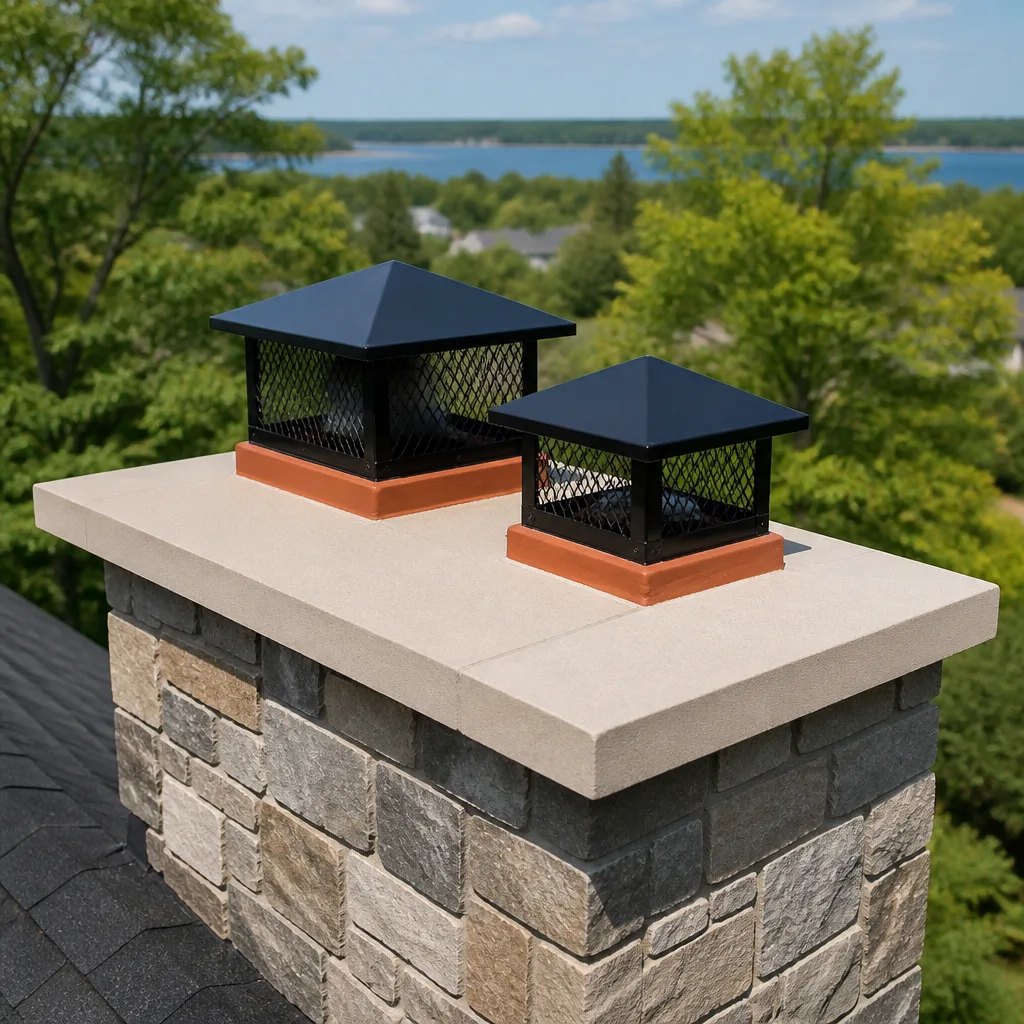
We work with DuraFlex liner systems, which are capable of following older, offset flue configurations a rigid liner can’t handle. For liners that are sound but need interior restoration, HeatShield resurfacing rebuilds the flue from the inside without tearing out masonry. Caps and crowns are fitted with Gelco, Famco, and Olympia Chimney components, each chosen for the specific chimney’s dimensions rather than a generic off-the-shelf cap.
The reason this matters in practice: a cap that doesn’t seal to the flue is a cap that’s not doing its job. A liner that doesn’t fit the flue can crack or pull loose within a season. Trade-grade materials matched to the actual chimney are what keep a Renton flue dry through October to April and ready for burn season.
Common Mistakes to Avoid
- Scheduling the cleaning in October. That’s the most common mistake we see in Renton. It leaves no window to complete a repair before the first cold stretch, and the chimney has sat wet all summer.
- Assuming a cleaning is the same as an inspection. A sweep removes soot and creosote; an inspection tells you whether the flue is structurally sound. Book both, and expect a camera and a photo report.
- Skipping the spring cap check. The cap is the single most important piece of the chimney’s water defense in a wet-climate town like Renton. A missing or cracked cap in April becomes a liner problem by November.
- Burning wet or unseasoned wood through the shoulder seasons. Inconsistent October and March burning already makes creosote worse; wet wood compounds it. Stick to dry, seasoned wood even when the fireplace feels casual.
- Approving thousands of dollars of repair on a verbal report. If you can’t see the evidence, don’t commit. A photo report and camera inspection exist precisely so you can verify what was found.
- Ignoring the damper in summer. A damper that won’t fully close lets outside air and summer humidity into the flue for months. Check it in spring and note any gap.
- Treating a mid-summer musty smell as normal. A damp smell from the fireplace in July is a moisture signal, not a summer quirk. It’s often the first sign of a compromised cap or crown.
See the difference
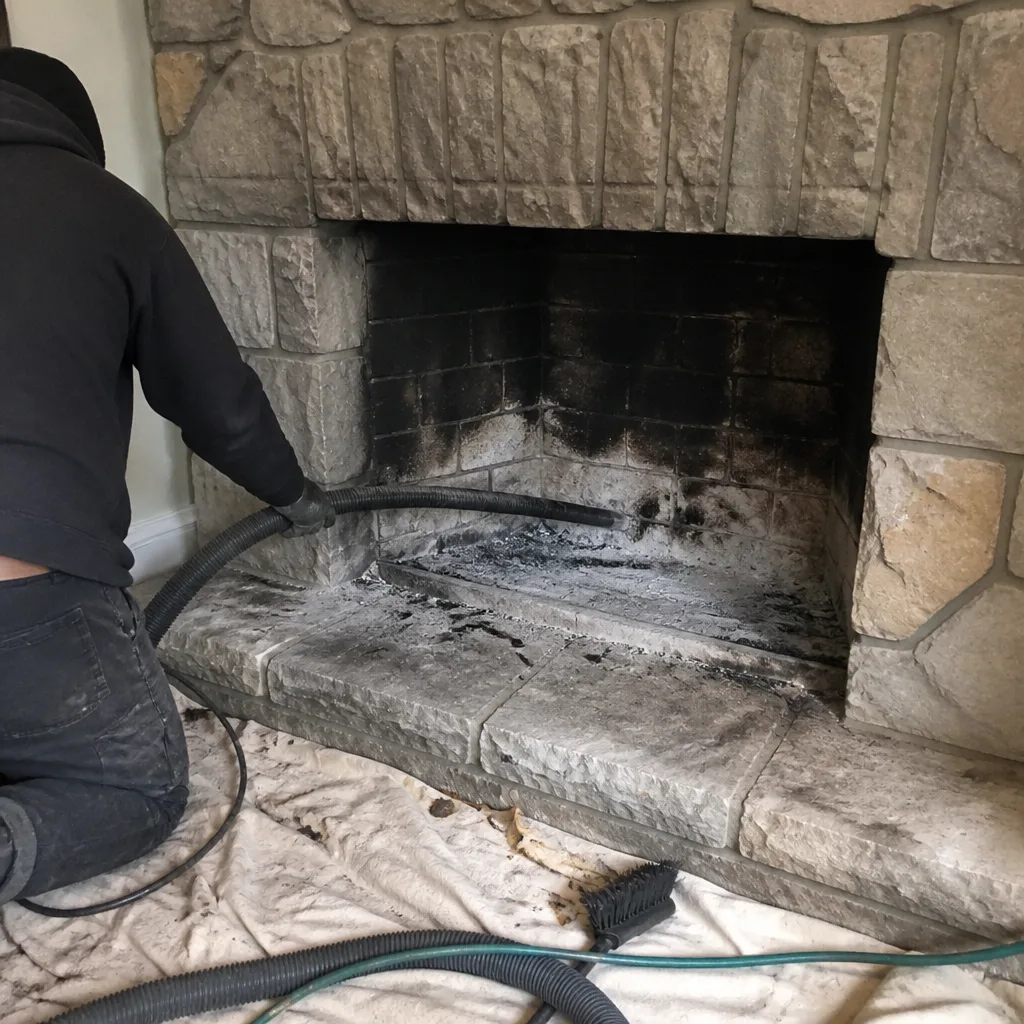 Before
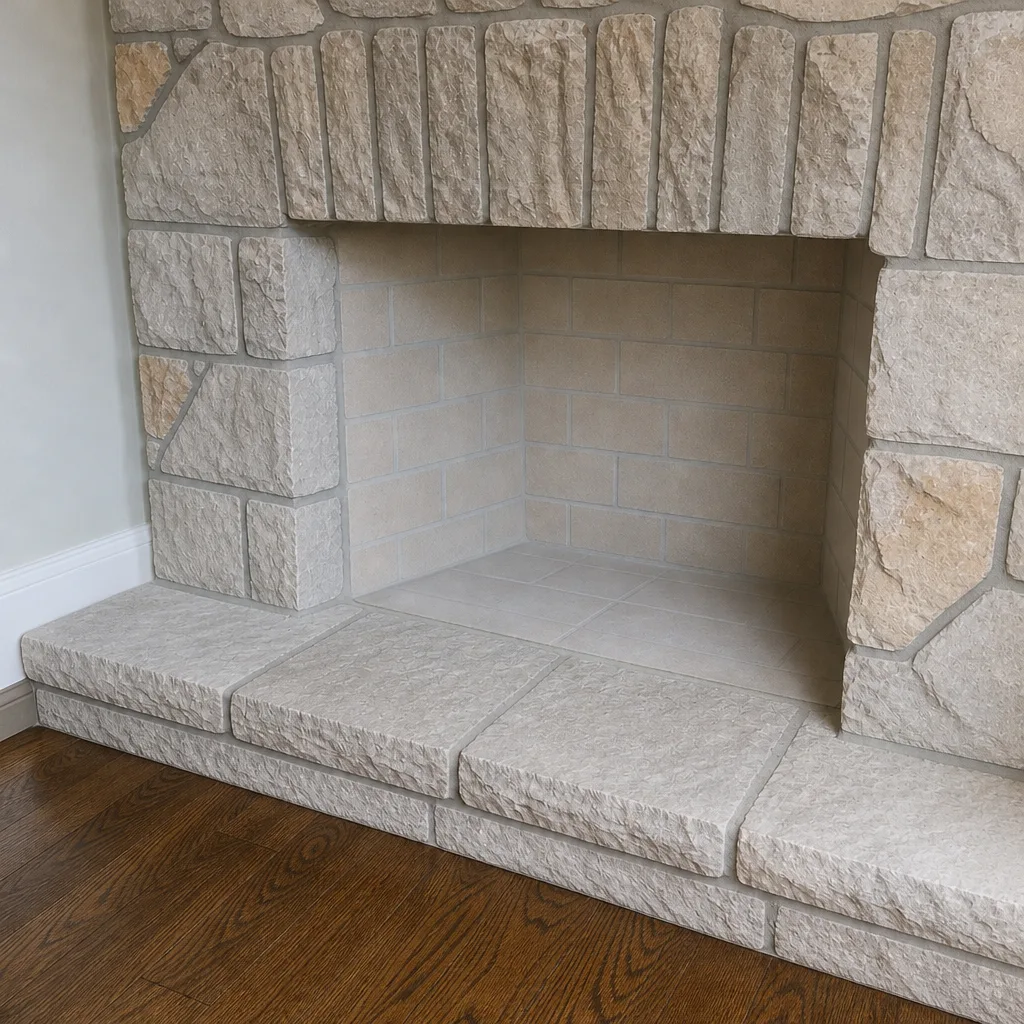 After
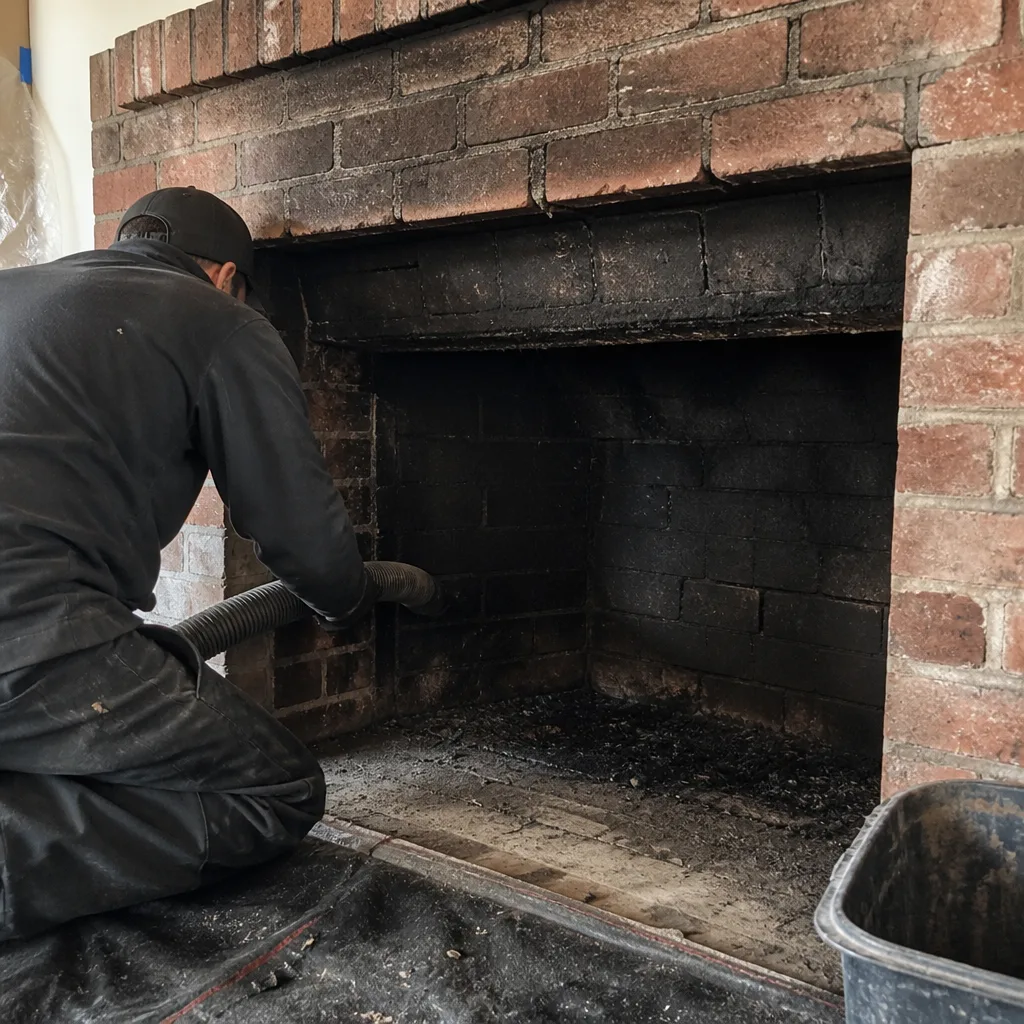 Before
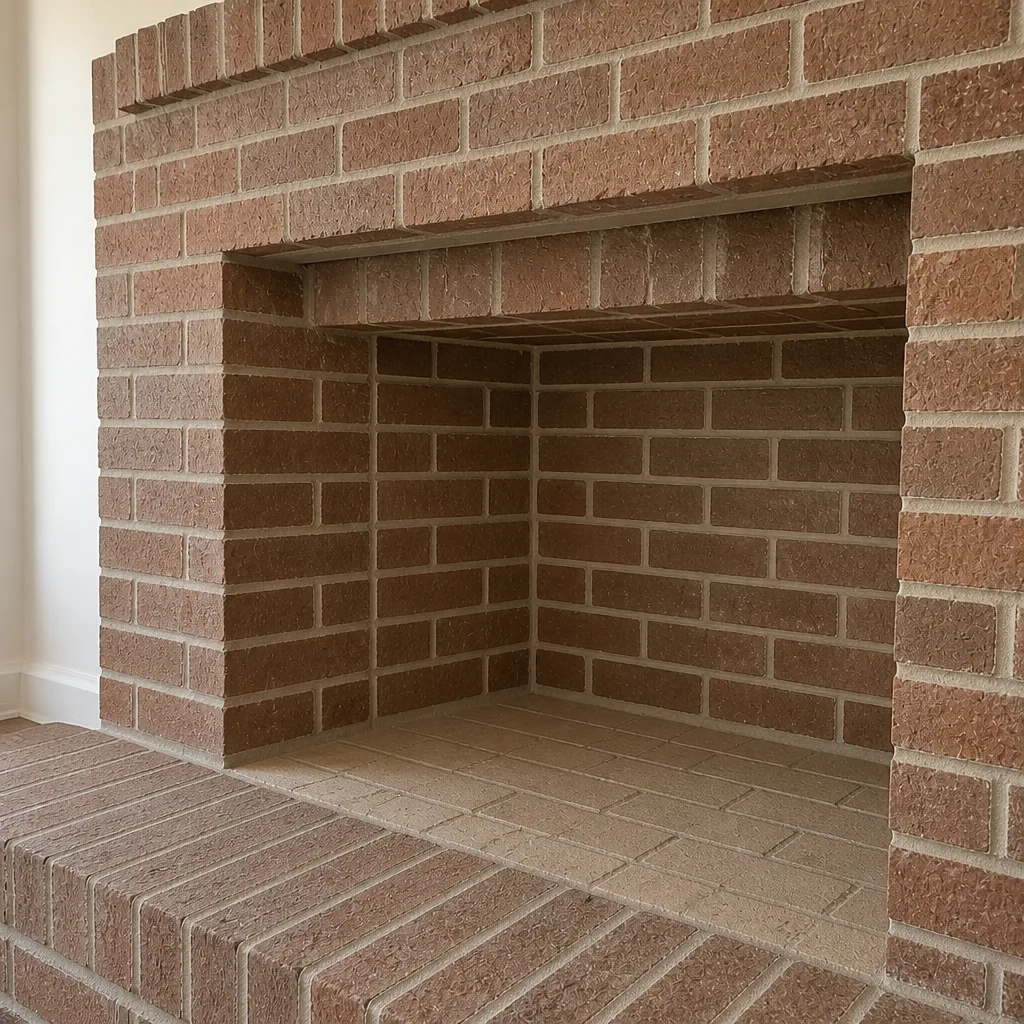 After
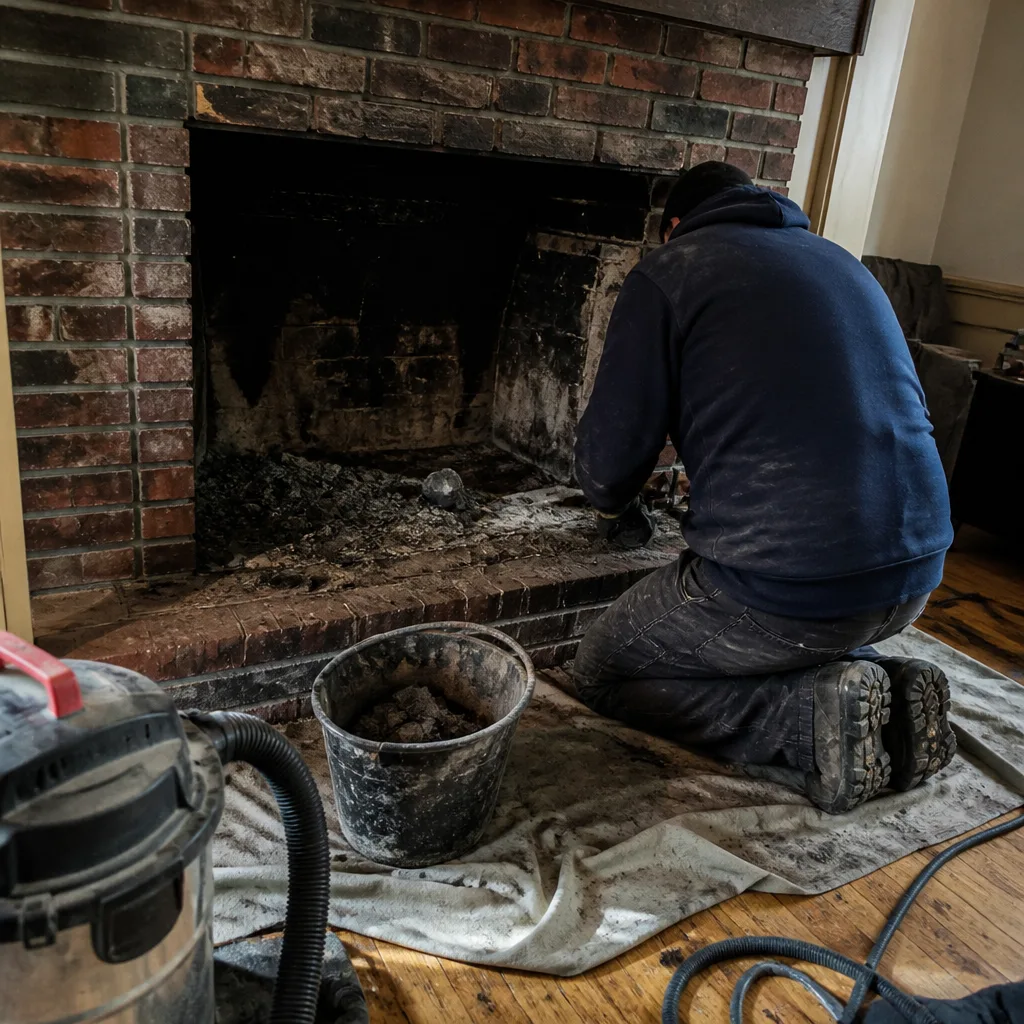 Before
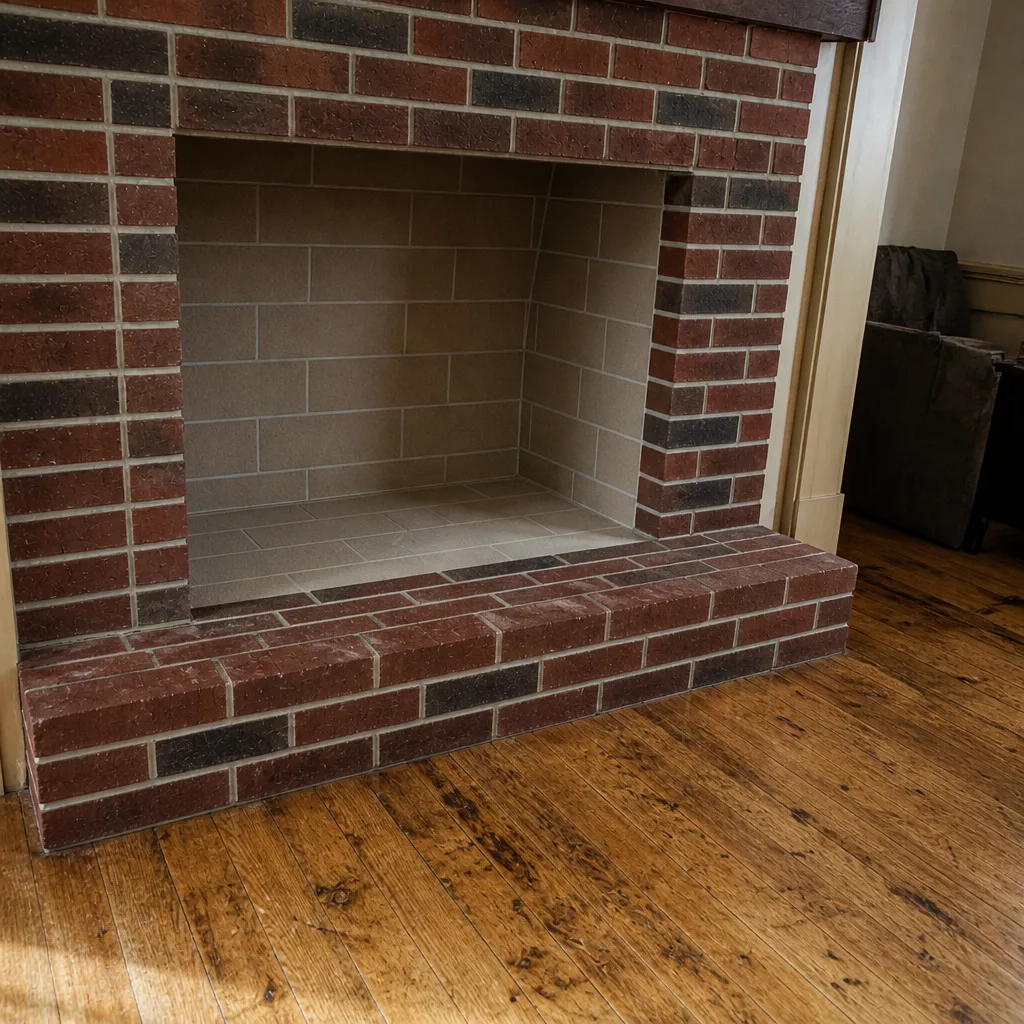 After
When to Call a Professional
Call a professional if you’ve never had the chimney inspected, if it’s been more than a season since a cleaning, or if you’re seeing any of the warning signs this guide describes: white staining on the masonry, a musty smell from the fireplace, smoke rolling back into the room, a damper that won’t close, or a cap you’re not sure about. Call before you burn for the first time in a new home, and call before the burn season picks up if last season was heavy. If a repair is recommended, ask for the camera evidence and a written estimate before agreeing to anything. Chimney Sweep Renton offers free estimates in Renton. Call (833) 754-5974. We answer 24/7. Fast dispatch from 7am to 7pm, Sunday through Friday.
Frequently Asked Questions
Once a year for most Renton households, ideally in late August or early September before burn season. If you burn frequently through the shoulder seasons or use the fireplace as a primary heat source, an annual sweep is the minimum; an inspection mid-season can catch a creosote problem building faster than expected. Call (833) 754-5974 for an exact schedule recommendation based on your fireplace.
Creosote builds up in the flue and, over time, hardens into a glazed layer that’s harder to remove and more flammable. In Renton’s wet climate, skipping a season also means any damage to the cap or crown has a full year to work on the masonry before it’s found. The risk is not immediate, but it compounds: a small crown crack in April becomes a liner problem by the following spring. Call (833) 754-5974 for a free estimate before another season passes.
Yes, a well-burning fireplace can still have a hidden structural problem. Most of what a professional inspection finds is invisible from the firebox: a cracked crown, a compromised cap, a liner gap, or a creosote layer building in a section of flue you can’t see from below. A camera inspection and photo report let you see what’s actually there. Call (833) 754-5974. We answer 24/7. Fast dispatch from 7am to 7pm, Sunday through Friday.
Because late summer leaves time to repair whatever the inspection finds. In October, a homeowner facing a cracked crown or a damaged cap is often forced to either postpone the repair into the burn season or postpone the fire. Late August and early September also have dry, mild weather, which helps mortar repairs and crown sealing cure properly before the wet season. Call (833) 754-5974 for a free estimate and we’ll find a slot before October.
No, a damp smell from the fireplace in mid-summer is a moisture signal. In Renton, it typically points to a cap that’s missing, cracked, or loose, or to a crown crack letting water into the flue. It’s worth an inspection rather than waiting for fall, because the longer it goes, the more time water has to work on the masonry. Call (833) 754-5974 for a free estimate.
A sweep removes soot and creosote from the flue. An inspection evaluates the structural condition of the chimney, including the cap, crown, flashing, firebox, and the inside of the flue by camera. They’re separate jobs, but in practice they should be booked together, because a chimney that’s just been swept is the right moment to see its true condition. For a full-service visit, see our Renton service page or call (833) 754-5974 for a free estimate.
The Bottom Line
Chimney care in Renton runs on a moisture-and-burn-season calendar, not a temperature one. A late-summer cleaning and inspection is the single most important date on that calendar, because it’s the only window with enough dry weather left to fix whatever the inspection finds. From there, spring cap-and-crown work protects the chimney through the wet season, and careful shoulder-season burning keeps the flue from building up creosote between seasons. Skip any one of those and the work happens anyway, just later and more expensively. Get the sweep and inspection on the calendar before August ends. Call (833) 754-5974. We answer 24/7. Fast dispatch from 7am to 7pm, Sunday through Friday. Estimates are free, and the written estimate sets the final price.
Written by the team at Chimney Sweep Renton.