
Last updated November 16, 2026
 Sweep & inspection
 Caps & crowns
 Flue relining
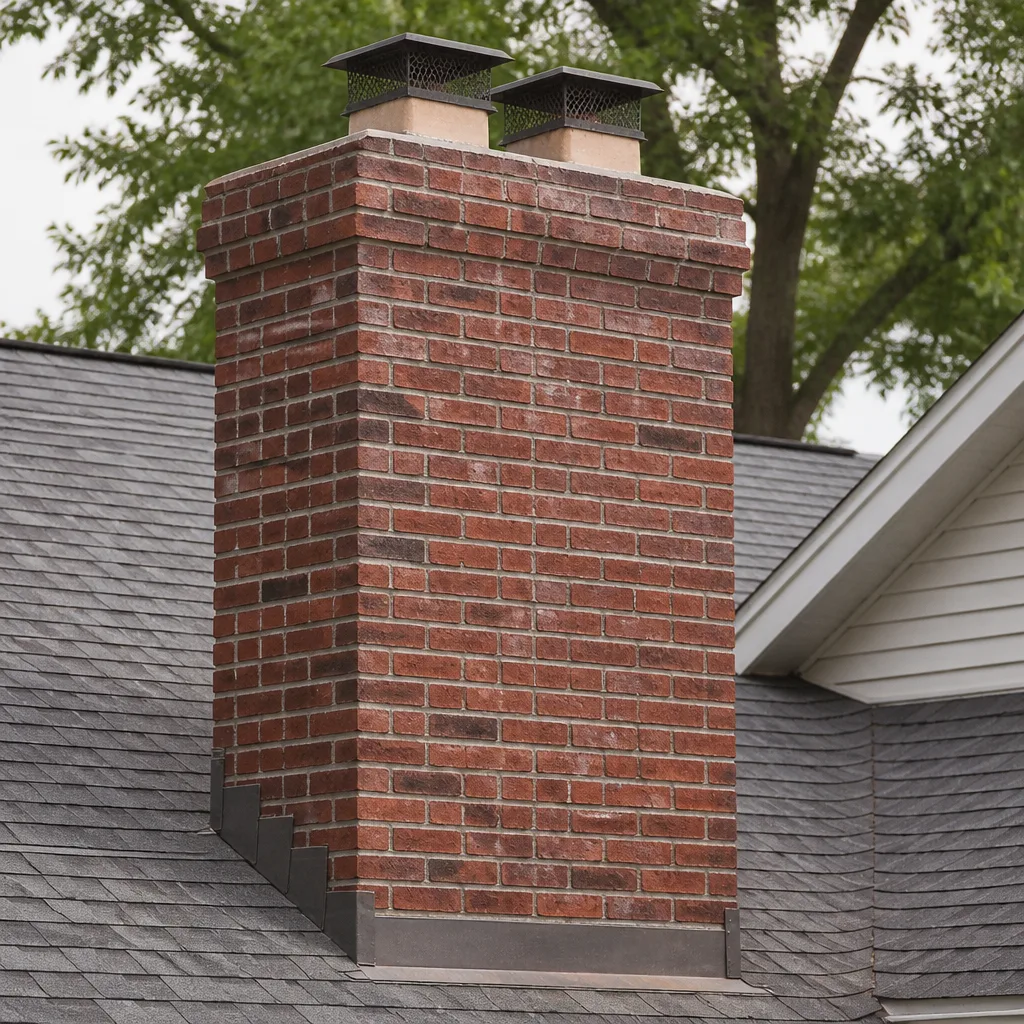 Masonry repair
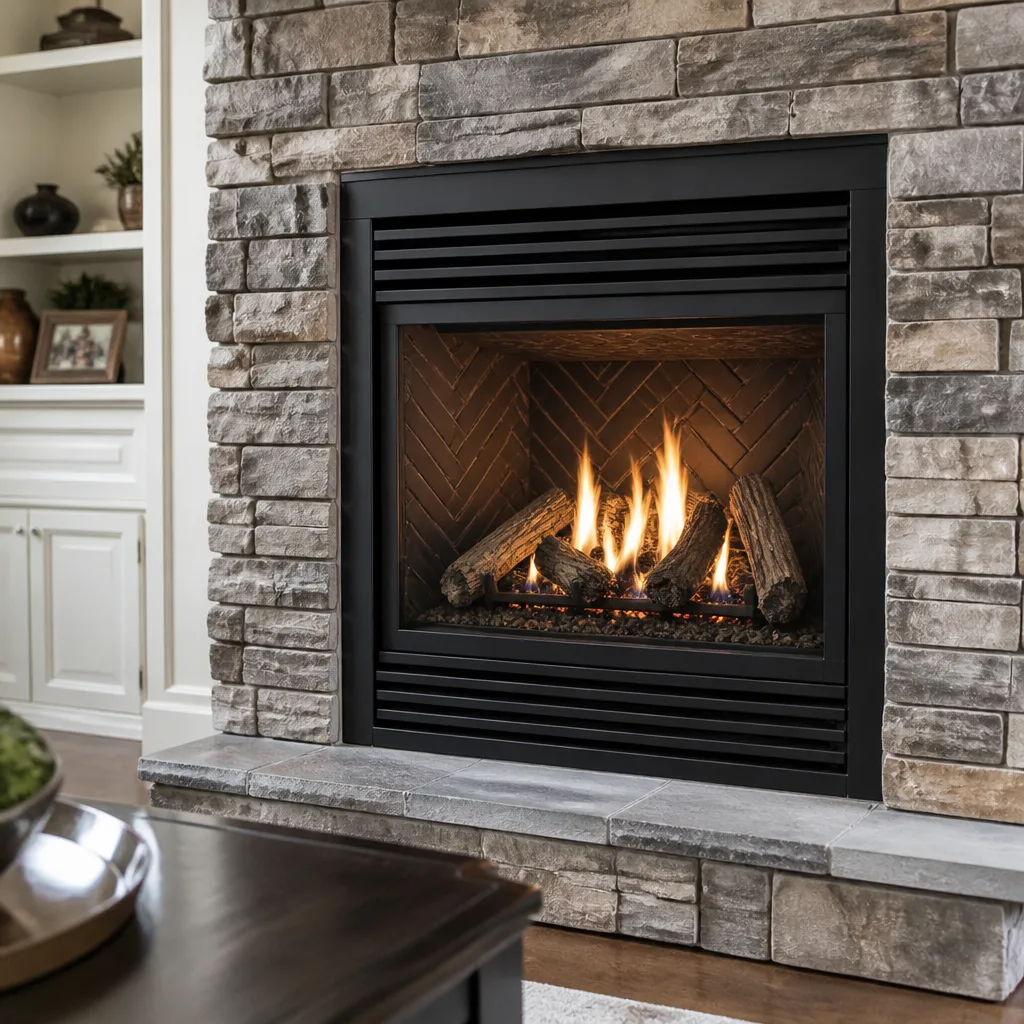 Gas fireplace service
Level 1 sweep and inspection to the NFPA 211 annual standard - flue, crown, cap, and flashing checked and photographed
Chimney sweep logs do not sweep chimneys. They loosen some creosote - which then falls where a brush and vacuum still have to collect it.
DIY vs Professional Chimney Cleaning: The Renton Homeowner’s Decision Guide
A chimney brush kit cleans what you can see. That’s the part almost every DIY guide gets right and where the conversation usually stops. What a brush kit can’t do is find the stage-2 creosote glaze fused to the back wall of a flue, the cracked crown mortar just above the roofline, or the smoke chamber shelf packed with debris from three seasons of burning. Those problems don’t announce themselves with a smell or a puff of smoke. They show up in an inspection, often under a camera light angled where a flashlight beam can’t reach. This guide walks through what DIY cleaning actually accomplishes, what it misses, and how to decide which path fits your Renton home.
Quick Answer
For most Renton homeowners with a wood-burning fireplace or insert, professional chimney cleaning is the better call, not because a brush kit can’t remove soot (it can), but because the trained inspection that happens alongside a professional sweep catches liner damage, creosote glaze, and draft problems that a homeowner has no practical way to see. DIY is reasonable only for very light use, a newer and well-maintained system, and basic annual upkeep between professional cleanings. Anything older, heavily used, or already showing signs of trouble needs a professional eye.
Styles & brands we work with
- Sweep & inspection
- Caps & crowns
- Flue relining
- Masonry repair
- Gas fireplace service
Table of Contents
- What a DIY Chimney Brush Kit Can Actually Accomplish
- What a DIY Kit Cannot Do: The Inspection Gap
- The Inspection Tasks That Require Professional Tools
- The Insurance and Liability Calculation
- When DIY Maintenance Between Professional Cleanings Makes Sense
- A Straight Decision Framework: Three Variables That Settle It
- Why This Decision Matters More in Renton
- Common Mistakes to Avoid
What a DIY Chimney Brush Kit Can Actually Accomplish
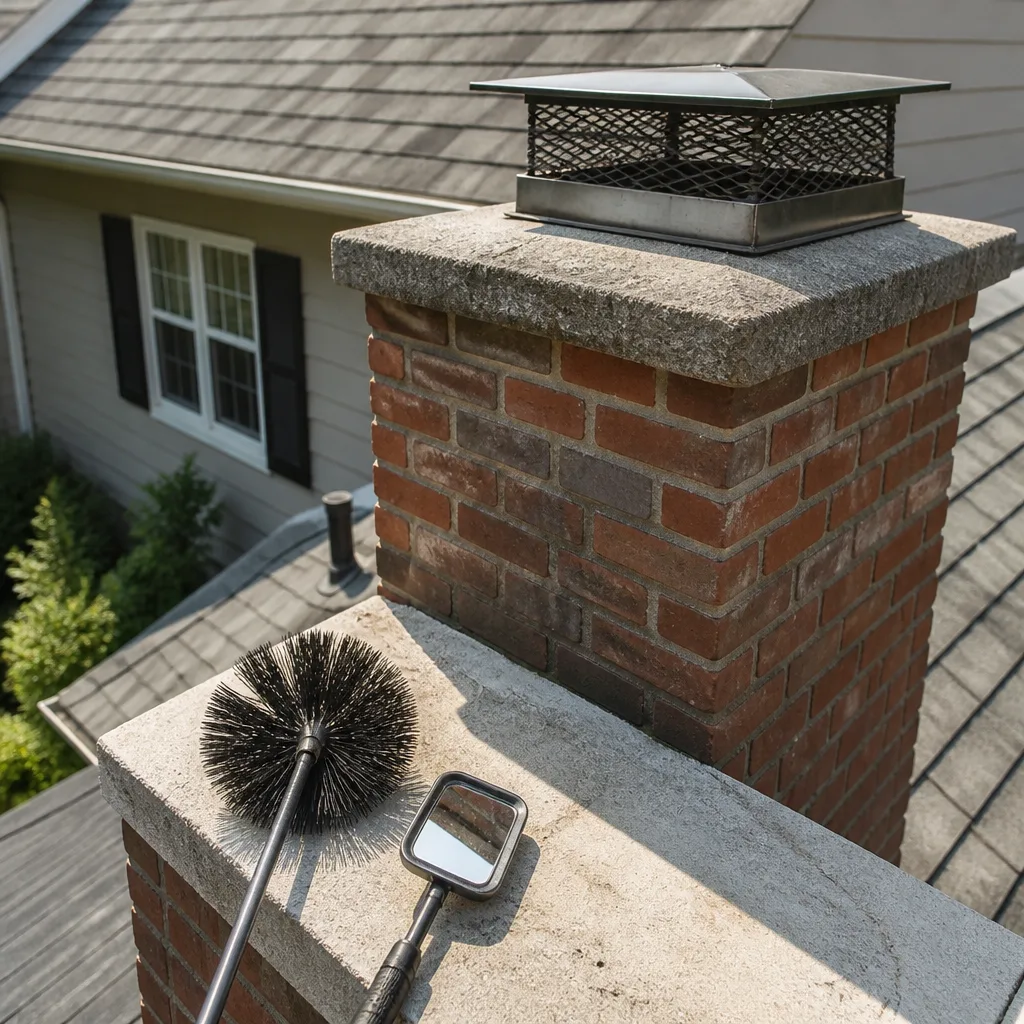
A chimney brush kit from a hardware store is a real tool, not a toy. Used correctly on a straightforward flue, it does remove loose soot, light ash deposits, and the crumbly first-stage creosote that builds up during a normal burning season. If your fireplace has been lightly used and the flue is straight and accessible, a homeowner with the right brush diameter and a good set of rods can make meaningful contact with the walls.
Here’s what the mechanical action actually does. A poly or wire brush, sized to the flue’s interior dimensions, is pushed and pulled through the length of the flue. The bristles scrape the interior surface and knock down soft deposits. Gravity carries the debris to the firebox, where it’s collected. That’s a genuine cleaning of the surfaces the brush can reach.
What that leaves behind:
- Deposits the brush can’t compress. Hard, glazed creosote resists bristles entirely.
- Areas the brush can’t touch. Offset flues, smoke chamber shelves, and the transition zone above the damper are common blind spots.
- Anything above or behind a bend. A straight flue cleans predictably; an older chimney with a jog or offset does not.
- Diagnostic information. The brush doesn’t tell you what shape the liner is in, whether the crown is cracking, or whether the smoke chamber is properly parged.
So the honest assessment is this: a DIY kit cleans visible, accessible soot and ash. It does that job adequately. What it doesn’t do is the part that keeps a chimney safe over time. That’s the gap worth understanding before you decide.
What a DIY Kit Cannot Do: The Inspection Gap
Every professional chimney sweep is two jobs happening at once, and the second one is the one that matters more. The brush work is mechanical and repeatable. The inspection is diagnostic and depends on training, tools, and knowing what you’re looking at.
Stage-2 creosote is the clearest example. This is a hard, tar-like glaze that forms when smoke condenses on a cooler flue surface and then gets baked repeatedly. It doesn’t look like soot. It looks like a dark, shiny coating, sometimes a thin glassy film, sometimes a thick crust. From below, with a flashlight, it often reads as “just a dark flue.” Under a camera light at the right angle, it reads as a fire hazard. The difference between those two views is the entire value of a professional inspection.
Beyond glaze, here’s what a typical inspection evaluates that a DIY kit can’t:
- Liner integrity. Cracks, gaps, and deteriorated mortar joints in a clay tile liner, or damaged sections in a metal liner, are visible only with proper lighting and a trained eye. In our experience, a hairline crack found early often means a targeted repair like HeatShield resurfacing rather than a full liner replacement.
- Smoke chamber condition. The smoke chamber is the sloped area above the damper and below the flue. It’s where smoke slows down before exiting. If it’s rough, improperly parged, or full of debris, draft suffers and creosote accumulates. Evaluating it takes a camera and knowing what a properly shaped chamber should look like.
- Draft testing. A chimney that drafts poorly doesn’t always announce itself. Sometimes it means a little smoke spill when you light a fire, sometimes it means carbon monoxide risk with a gas appliance. Draft testing measures actual performance under real conditions.
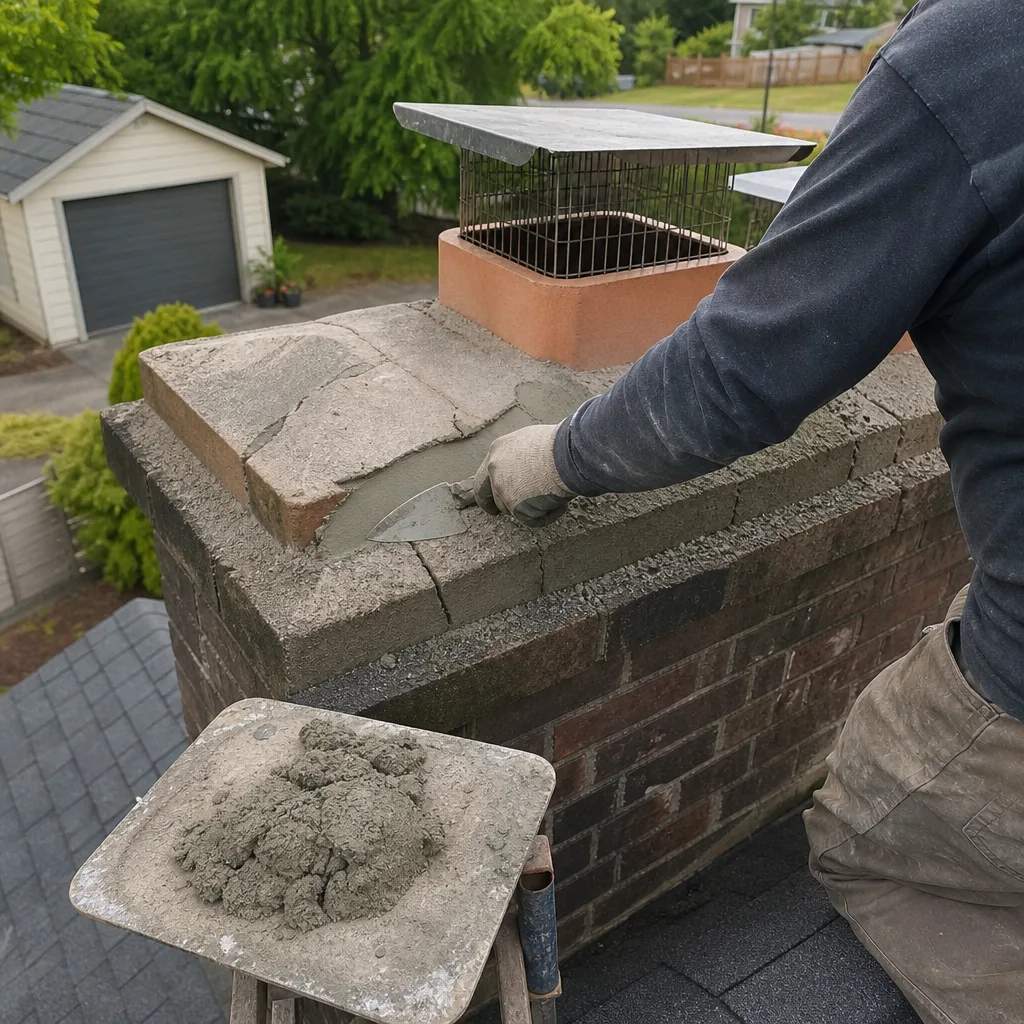
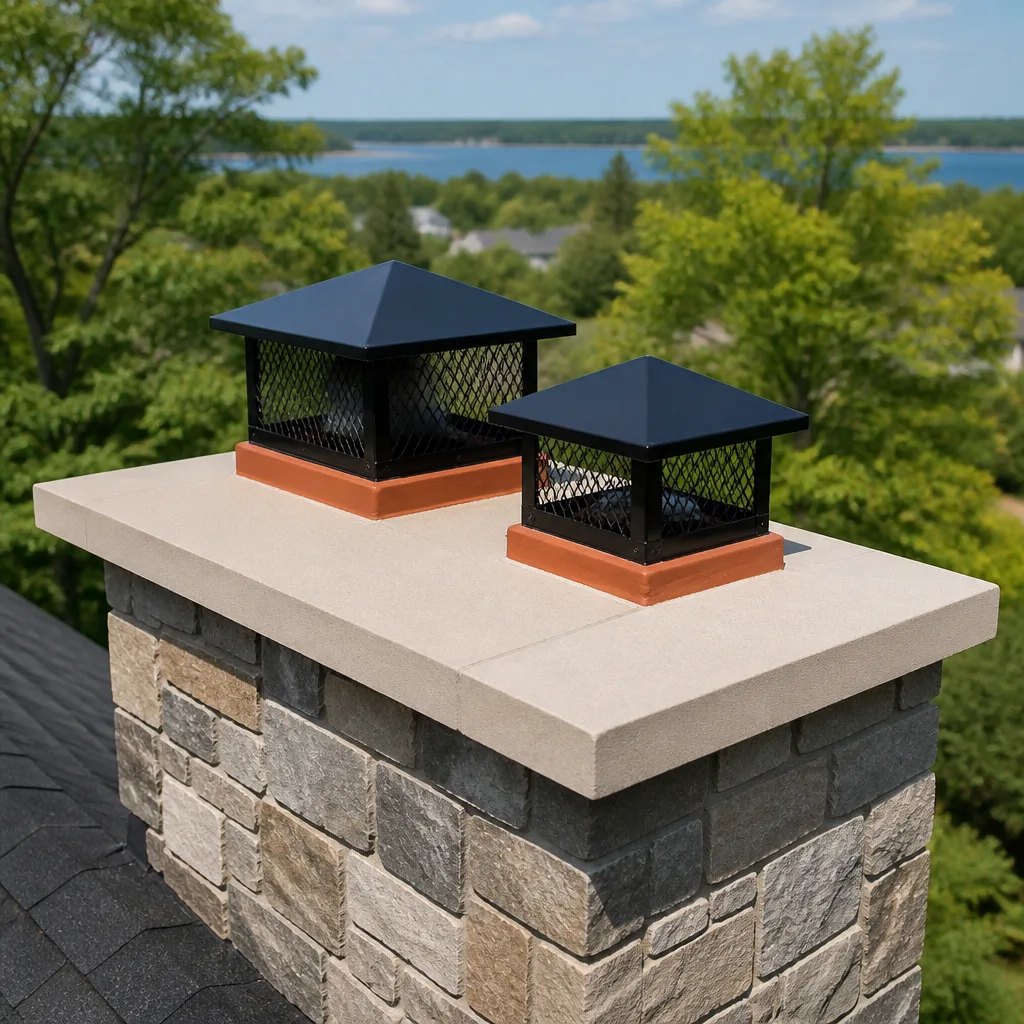
- Exterior and roof-level condition. Crown cracks, flashing gaps, and cap damage are where water intrusion starts. A cap from a brand like Gelco or Olympia Chimney protects the flue from rain and animal entry, but a damaged one does the opposite.
- Creosote classification. Knowing whether you have stage-1, stage-2, or stage-3 creosote changes the entire service recommendation. A brush handles stage-1. Stage-2 often needs chemical treatment or specialized removal. Stage-3 is a serious safety situation.
You don’t need to know how to perform these evaluations yourself. You need to decide whether they’re worth paying someone trained to perform them. For most chimneys in Renton, the answer is yes.
The Inspection Tasks That Require Professional Tools and Training
Let’s go through the specific tasks in a professional inspection that a homeowner simply cannot replicate with a hardware-store kit. Each of these is a concrete reason the value of professional service lives in the inspection rather than the brush.
- Camera inspection of the flue interior. A chimney inspection camera feeds a real-time image of the flue walls, liner joints, and any offsets. The technician can document what’s found and show it to you. That documentation matters for repairs and, as we’ll cover, for insurance.
- Smoke chamber evaluation. The technician checks whether the chamber is properly parged and correctly shaped to promote draft. A rough or poorly shaped chamber is a draft problem waiting to happen, and it’s invisible from the firebox without a camera and the training to interpret what’s shown.
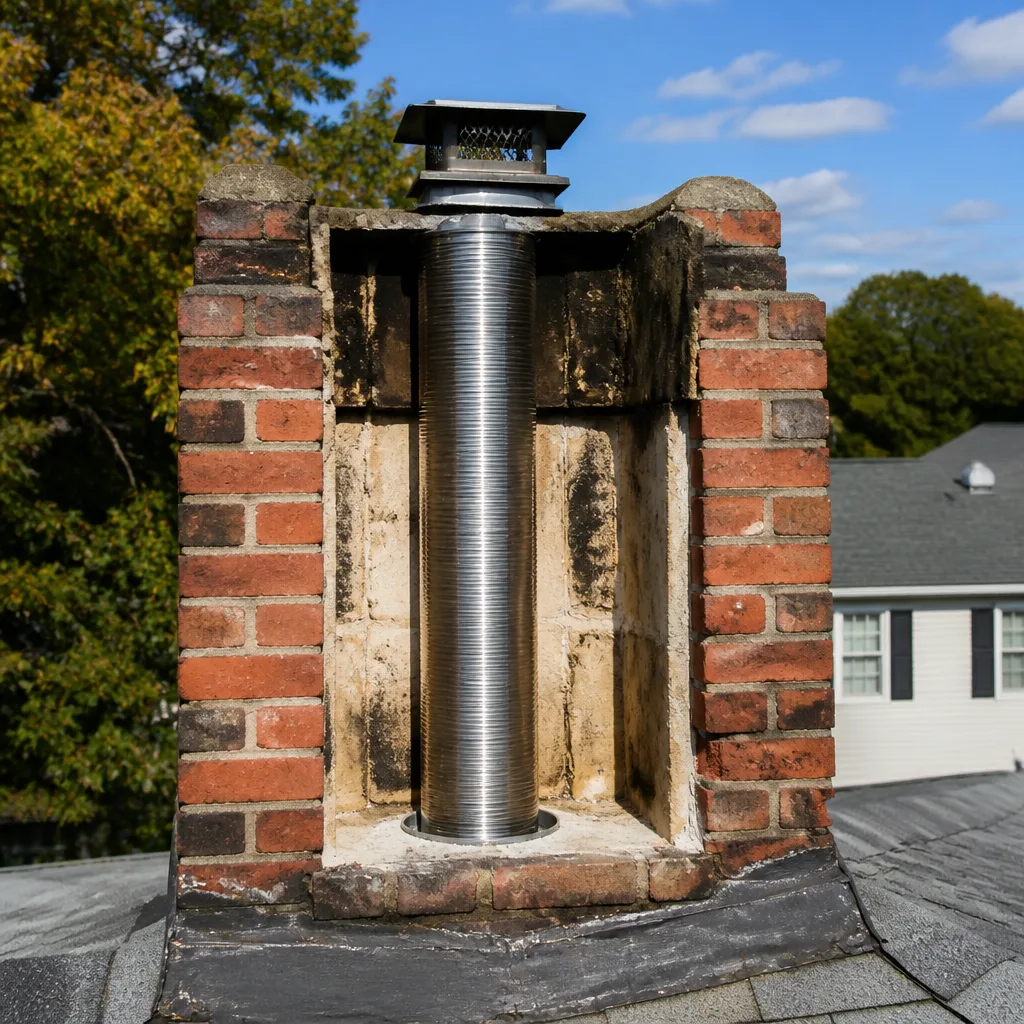
- Liner integrity assessment. Clay tile liners crack. Metal liners can separate or corrode. Determining whether a liner is serviceable, repairable with a HeatShield resurfacing system, or beyond repair requires knowing what a sound liner looks like and what a failing one does. That’s a trained judgment.
- Draft testing. Real draft measurement under real conditions, not a guess based on how the fire behaves. Poor draft can be caused by a flue that’s too short, too large for the appliance, blocked, or poorly shaped at the smoke chamber. Diagnosing which of those is happening takes tools and trade knowledge.
- Structural and exterior checks. The technician inspects the crown, flashing, and cap, and checks for water intrusion points. A cap replacement with a Famco or Gelco model is a straightforward fix once the problem is identified, but identifying it takes a set of eyes on the roof that most homeowners aren’t equipped to take a critical look at.
- Creosote classification and treatment plan. The technician classifies the creosote and recommends removal methods accordingly. Stage-2 glaze, for example, may need a chemical treatment cycle before brushing can be effective. A homeowner brushing through glaze without treatment is mostly polishing the surface.
These aren’t upsells. They’re the list of things a sweep does that a brush kit does not. When you hire a professional chimney sweep, you’re buying the inspection as much as the cleaning.
The Insurance and Liability Calculation
Here’s the part most DIY guides skip entirely, and it’s the part that can cost the most if you get it wrong. If a chimney fire happens after a homeowner cleans their own chimney, the insurance claim process gets harder. Not impossible, but harder. Insurers ask for maintenance records, and “I cleaned it myself” doesn’t produce a record. A professional sweep produces one: a dated service record showing what was found, what was done, and the condition of the chimney at the time.
That matters for three reasons:
- Claims review. After a chimney fire, an adjuster will want to know whether the chimney was maintained. A professional service record showing regular cleaning and inspection is evidence of reasonable care. A gap in maintenance, or a self-performed cleaning with no documentation, gives the adjuster more room to question the claim.
- Liability in a shared-wall or multi-unit situation. If you’re in a townhome or a home with a shared chimney structure and a fire spreads, the question of whether the chimney was properly maintained becomes a neighbor-relations and liability question, not just an insurance one. Documentation helps.
- Future sale of the home. A buyer’s inspector will look at the chimney, and a buyer’s lender may want records. Professional service history is a small asset at resale that a self-cleaned chimney doesn’t produce.
We’re not saying DIY cleaning voids insurance. We’re saying the documentation gap is real, and it’s one more reason the professional service is worth the cost. The written record of an inspection is part of what you’re paying for, and it’s a part that a brush kit can’t deliver.
When DIY Maintenance Between Professional Cleanings Makes Sense
There’s a real role for homeowner involvement, and it’s maintenance between professional cleanings, not replacing them. If your system is newer, in good condition, and lightly used, here’s what makes sense for you to do yourself between annual or biennial professional sweeps.
- Keep the firebox clean. Remove ash and debris regularly. A clean firebox burns more efficiently and reduces the amount of material that can accumulate in the flue.
- Check the cap and flue from the ground. A visual check from the yard for obvious cap damage, animal nests, or a missing cap is worth doing a couple times a year. This is observation, not repair.
- Watch for warning signs. Smoke spilling into the room when you light a fire, a strong creosote smell, or visible soot around the firebox opening are signals to call a professional sooner rather than later.
- Burn dry, seasoned wood. This is the single biggest thing a homeowner can do to reduce creosote buildup. Wet wood produces more smoke, more creosote, and a dirtier flue. It’s maintenance through better fuel, not through a brush.
- Keep a log of burning habits. How often you burn, what you burn, and when you last had a professional service. It’s a small thing that helps a technician give better advice and helps with any future insurance question.
What doesn’t make sense for a homeowner to do between professional cleanings is go up on the roof, open the flue, and attempt a full brush cleaning of a system you haven’t had inspected. If you don’t know the condition of the liner or the creosote class, a brush cleaning is a guess. Get the inspection first, and then decide how much DIY maintenance fits your situation.
If you’d like a professional inspection to establish that baseline, our chimney repair team can assess the system and give you a written report you can use going forward. Free estimates are available.
A Straight Decision Framework: Three Variables That Settle It
Rather than a vague “it depends,” here are the three variables that actually determine whether DIY or professional service is the right call for your chimney. Run through them honestly and you’ll have a clear answer.
Variable 1: Frequency of Use
How often do you burn? A fireplace used a handful of times a season accumulates creosote slowly. One used as primary heat through a Renton winter accumulates it fast. The industry rule of thumb is to sweep after every cord of wood burned, but that’s a guideline, not a law. The honest version: the more you burn, the less DIY makes sense, because the volume of creosote and the depth of accumulation both rise with use. A chimney you burn in a few times a month is a very different cleaning task than one that runs from October to April.
Variable 2: Age of the System
A newer chimney with a sound liner, in good repair, and a clean service history is the kind of system where DIY maintenance between professional cleanings is reasonable. An older chimney, one with a clay tile liner of uncertain condition, one that hasn’t been inspected recently, or one with any history of repair is not. Age is where the inspection gap matters most, because older systems are where the hidden problems live. In Renton’s older housing stock, this variable is often the one that settles the question.
Variable 3: Chimney Type and Fuel
A straight, interior, wood-burning flue with an accessible firebox is the most DIY-friendly configuration. A gas insert with a smaller flue, an offset or complex flue configuration, an exterior chimney, or a solid-fuel appliance like a wood stove all change the calculation. These configurations either make the brush harder to use effectively or make the inspection more important. This is also where flexible liner systems like DuraFlex matter, since older or offset flues often need flexible components that rigid systems can’t accommodate. If your system falls into a more complex configuration, professional service is the safer default.
If you run through those three and land on “professional,” you’re in the majority. If you land on “DIY is fine for now,” do one thing first: get a professional inspection to establish the baseline. Then maintain between cleanings with the confidence that you know the system’s condition. That’s the approach we recommend regardless of which way the framework points.
Why This Decision Matters More in Renton
Renton sits in a climate with a long, damp heating season. Fall rains in the Renton Valley and Highlands set in around October and don’t let up until spring. That means more months of fire burning than in a drier climate, which means more creosote accumulation, which means the cleaning and inspection question comes up more often than it would in a place with a short burn season.
The damp air also matters for the exterior of the chimney. Rain finds its way into crown cracks and flashing gaps, and freeze-thaw cycles over the winter can widen those cracks. A chimney that looks fine in August can have crown damage by spring. This is inspection territory, not brush territory, and it’s one more reason the professional service carries value that a DIY kit doesn’t.
Then there’s the housing stock. Neighborhoods like Kennydale, Talbot Hill, and the Renton Highlands include a lot of older homes where chimneys have been through many heating seasons. Some of those chimneys have clay tile liners that have served well but are reaching the age where cracks appear. Others have been relined at some point, and the homeowner may not know the details. In both cases, an inspection establishes what you’re actually dealing with before a self-performed cleaning can either miss a problem or make one worse.
If you’re in Renton and you’re weighing the decision, our team can help you make it with a real inspection rather than a guess. We work with trade-grade materials including DuraFlex, HeatShield, Gelco, Olympia Chimney, Famco, and Copperfield, and we can tell you plainly what condition your system is in and whether any work can safely wait. More about the Renton service area here.
Common Mistakes to Avoid
We’ve seen these mistakes cause problems that were entirely avoidable. If you’re leaning toward DIY or you’ve already tried, make sure none of these describe your approach.
- Brushing a glazed flue without treating it first. A brush passes over stage-2 creosote glaze without removing it, which can leave a homeowner feeling the job is done when it isn’t. If you don’t know the creosote class, don’t assume the brush handled it.
- Using the wrong brush size. A brush that’s too large can damage the liner, and one that’s too small doesn’t make contact with the walls. Sizing the brush to the actual flue dimensions is a measurement job, not a guess.
- Cleaning without inspecting the liner. Brushing a flue with a cracked clay tile liner can dislodge debris into the cracks and worsen the problem. In Renton’s older chimneys, this is a real risk.
- Assuming a clean-looking firebox means a clean flue. The flue is where creosote accumulates, and it’s out of sight. A clean firebox tells you the firebox is clean, nothing more.
- Skipping the annual inspection because you swept it yourself. The inspection is the higher-value part of the service. If you sweep yourself and skip the inspection, you’ve done the lower-value half of the job.
- Going on the roof without the right equipment. This is the one that can actually hurt you. Roof work on a damp Northwest day is a fall risk, and there’s no brush kit worth a fall injury. Leave roof-level inspection and repair to a professional.
- Burning wet wood to extend the burn. It produces more creosote, more smoke, and a dirtier flue. Dry, seasoned wood is the cheapest creosote prevention that exists.
Safety note: chimney work involves heights, soot, and in older systems, uncertain liner condition. We don’t recommend climbing on the roof or opening a flue for brushing on a system that hasn’t been inspected by a professional. The risk of a fall or of disturbing a failing liner outweighs the savings on a single cleaning.
See the difference
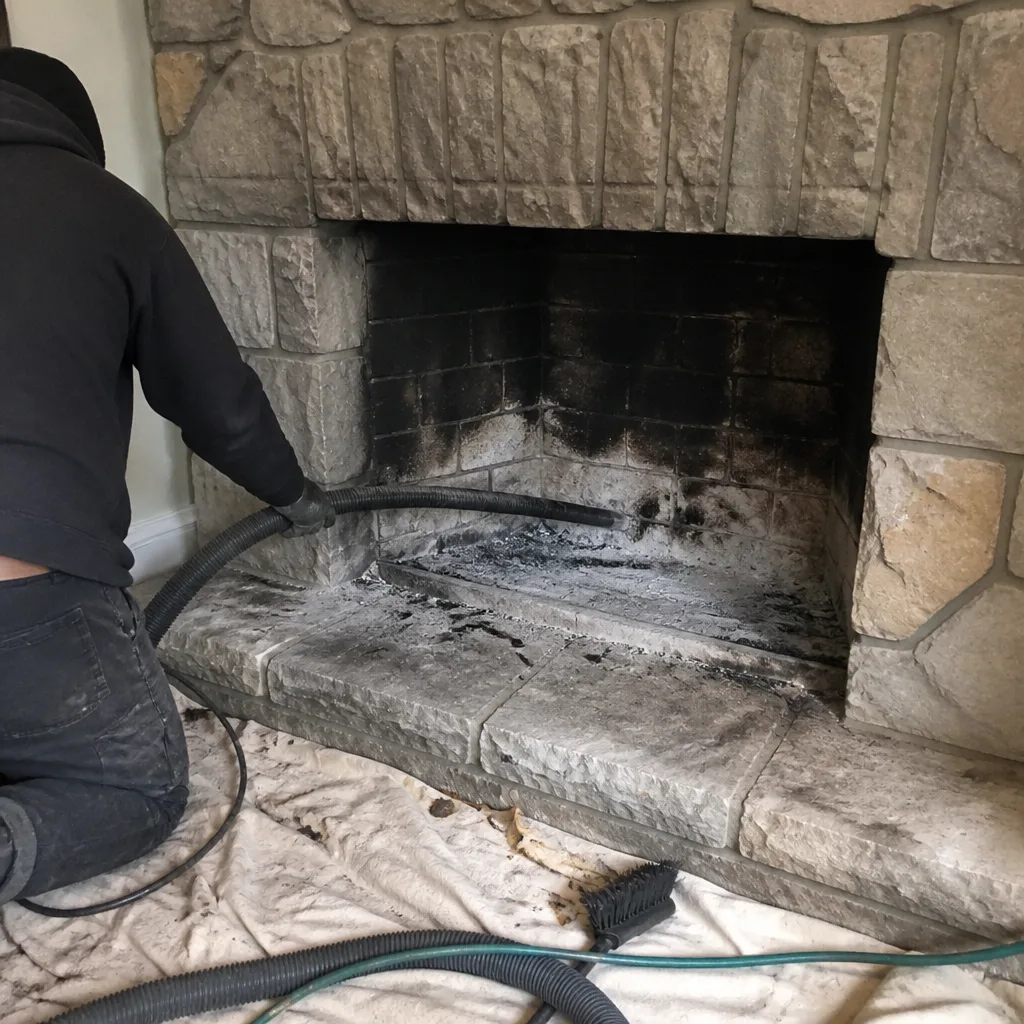 Before
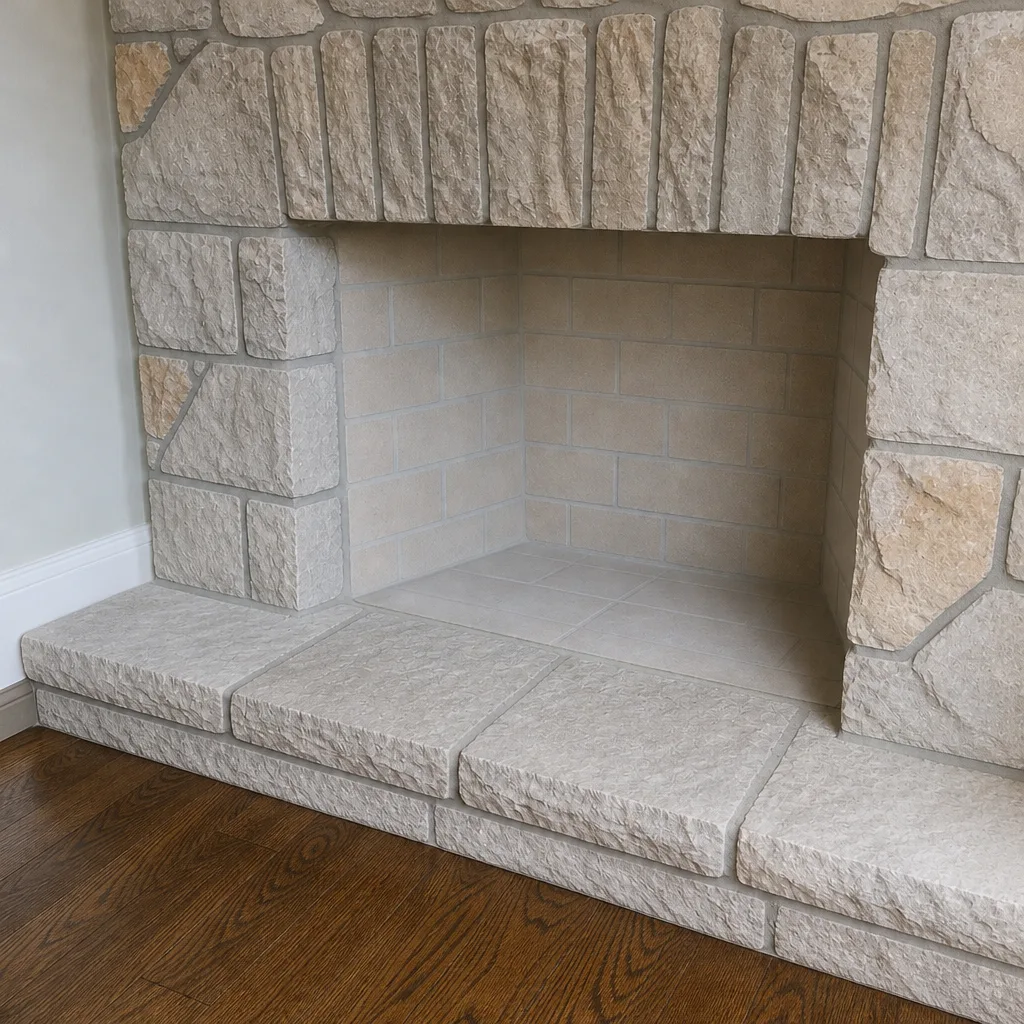 After
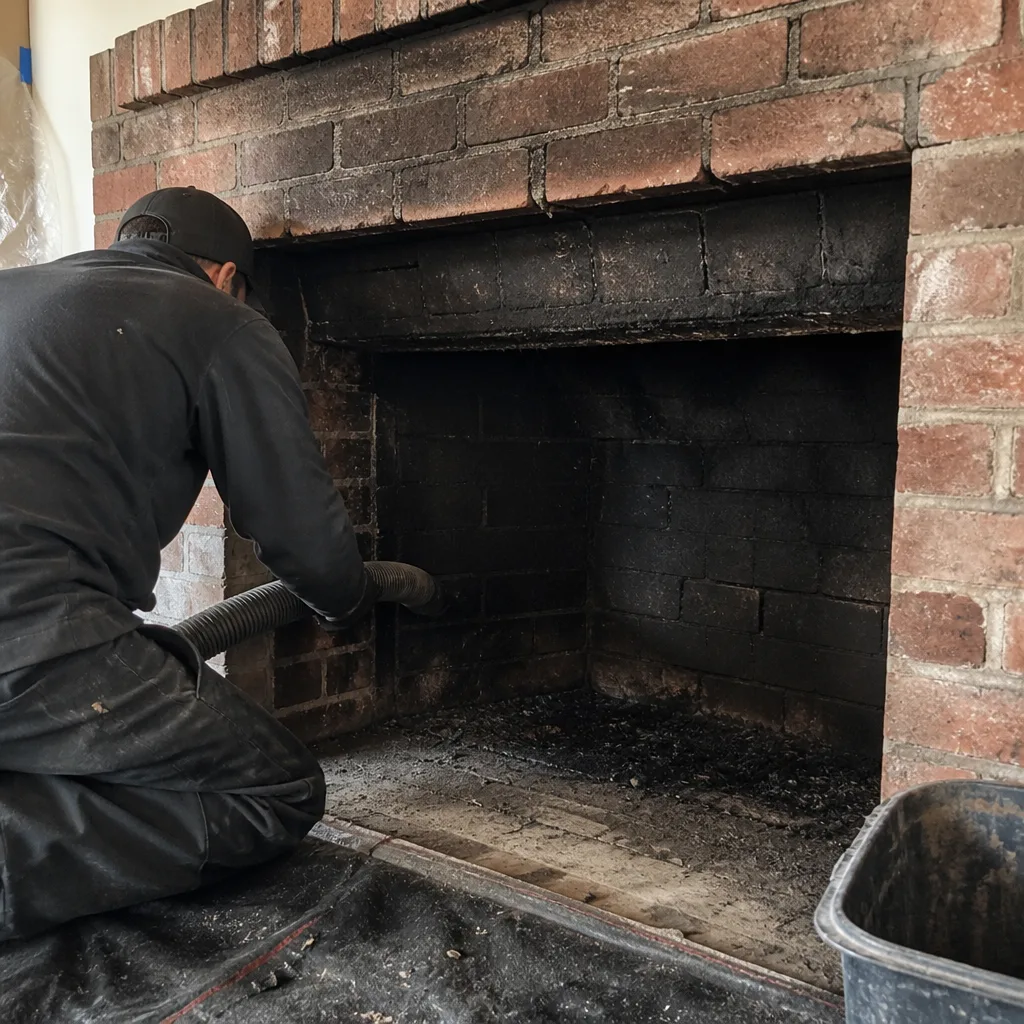 Before
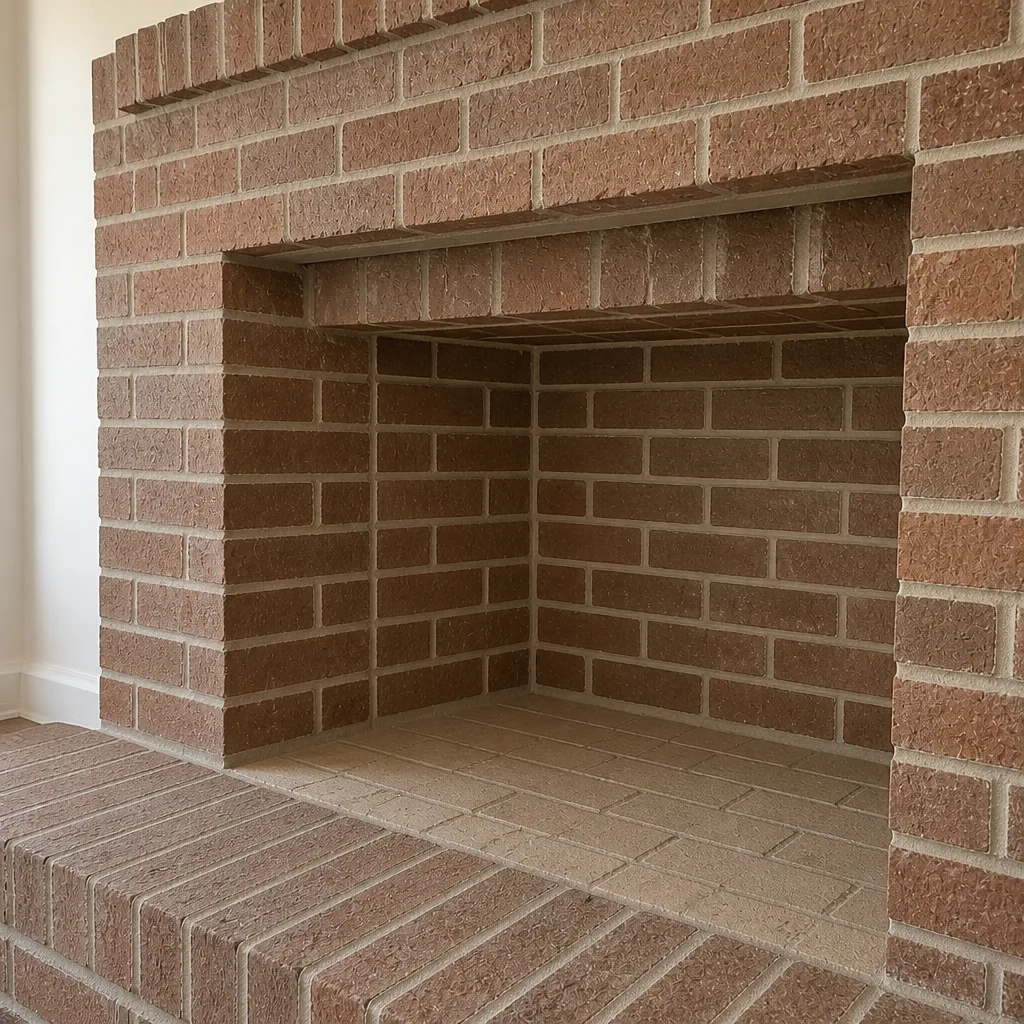 After
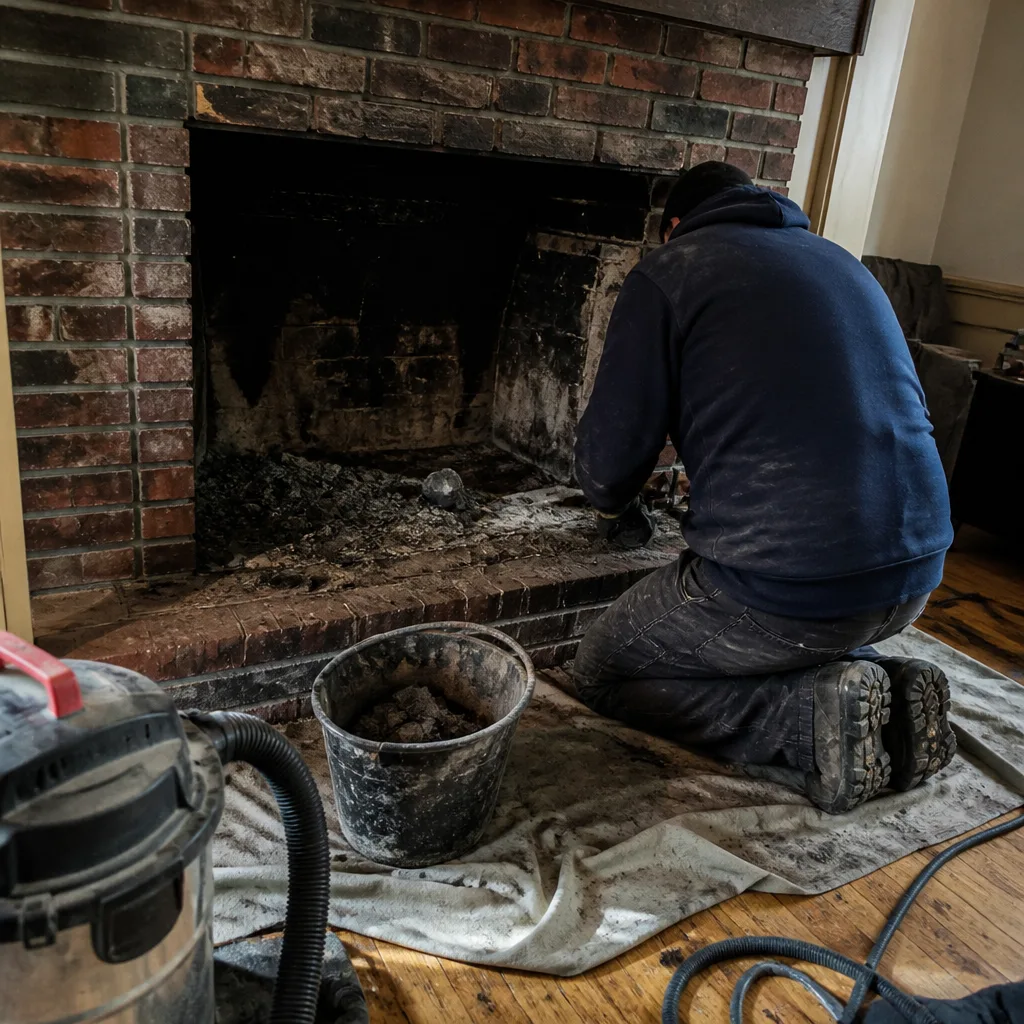 Before
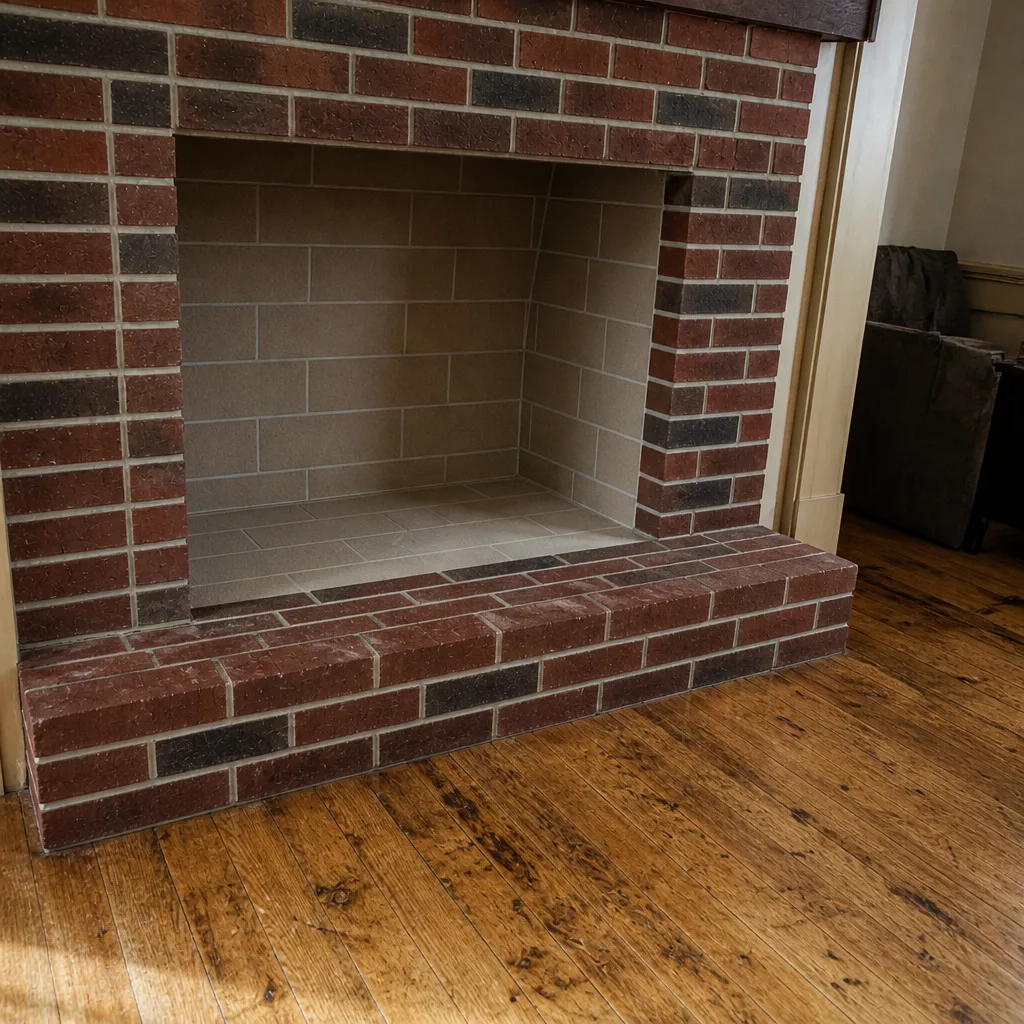 After
When to Call a Professional
Call a professional if you’ve never had your Renton chimney inspected, if it’s been more than a year since the last cleaning and you burn regularly, if you’ve had a chimney fire or even a suspected one, if you smell creosote or notice smoke spilling into the room, or if you’re buying a home and don’t have a service history. If the chimney is older, has a clay tile liner whose condition you don’t know, or has been relined at some point, professional inspection is the right starting point. If you’ve cleaned it yourself and skipped the inspection, that’s also a reason to call. Chimney Sweep Renton offers free estimates in Renton, and we’ll tell you honestly what condition your system is in and what, if anything, needs to be done. Call (833) 754-5974. We answer 24/7. Fast dispatch from 7am to 7pm, Sunday through Friday.
Frequently Asked Questions
Yes, you physically can clean your own chimney for light soot and ash, but you can’t replicate the inspection portion of a professional service. A DIY brush kit removes what it can reach and doesn’t tell you anything about the liner’s condition, the smoke chamber, or the creosote classification. For a lightly used, newer system, DIY between professional cleanings is reasonable. For anything older or heavier used, start with a professional inspection. Call (833) 754-5974 for an exact quote, and the estimate is free.
The general guideline is once a year for regular use, or after every cord of wood burned, whichever comes first. Renton’s long heating season means many homes burn more months of the year than a drier climate would, which pushes many chimneys toward annual cleaning. A professional inspection will tell you what your specific chimney actually needs. Call (833) 754-5974 to book an inspection.
A professional sweep does two jobs: the cleaning and the inspection. The cleaning portion overlaps with what a DIY brush kit can do on accessible soot. The inspection portion, which covers liner integrity, smoke chamber condition, draft testing, and creosote classification, uses camera equipment and trained judgment that a homeowner can’t replicate with a kit. That inspection is the reason the professional service is worth hiring for most homes.
Yes, because the inspection evaluates the parts a brush kit doesn’t address. Self-cleaning removes soot and ash but tells you nothing about whether the liner has cracked, whether the smoke chamber is properly parged, or whether stage-2 creosote has formed on the flue walls. An inspection gives you a baseline service record you don’t get from a self-performed cleaning. Call (833) 754-5974 for a free estimate.
DIY cleaning doesn’t automatically void your insurance, but it doesn’t produce a service record either. After a chimney fire, insurers often want to see maintenance history, and a professional service record is evidence of reasonable care that a self-cleaned chimney lacks. The documentation gap is a real part of the risk calculation. A professional inspection gives you a dated record you can keep.
You probably can’t tell from below with a flashlight. Stage-2 creosote is a hard, shiny glaze that often reads as “just a dark flue” from the firebox, and it’s more visible under a camera light at the right angle. The only reliable way to know is a professional inspection. If you suspect glaze, don’t brush through it without treatment. Call (833) 754-5974 to schedule an inspection.
A sweep is the cleaning service, and an inspection is the diagnostic service that evaluates condition. They’re often performed together, which is why the value of the professional service is higher than the brush work alone suggests. Our team handles chimney repair and inspection as core services, so you get the full picture from one set of hands. Free estimates are available.
It depends on the condition of the liner, which is exactly the thing you don’t know without an inspection. On an older chimney with a clay tile liner of uncertain condition, brushing can dislodge debris into cracks or disturb a failing liner. On a newer, inspected, sound system, a brush kit is a reasonable maintenance tool. Get the inspection first, then decide.
The Bottom Line
DIY chimney cleaning is a real option, but it’s not a substitute for professional service. The brush work only cleans what the brush touches. The trained inspection that happens alongside a professional sweep finds the things that actually cause chimney fires and carbon monoxide problems: liner damage, creosote glaze, poor draft, and smoke chamber problems. For a lightly used, newer system in good condition, DIY maintenance between professional cleanings makes sense. For anything older, heavier used, or of unknown condition, professional inspection is the right starting point. Renton’s long damp heating season and older housing stock tilt the decision toward professional service for most homes. If you’re not sure which side of the line you’re on, call us and we’ll tell you honestly.
If you’re ready to find out what condition your chimney is in, we’re here to help. Call (833) 754-5974 for a free estimate. We answer 24/7. Fast dispatch from 7am to 7pm, Sunday through Friday. One specialist handles the sweep, the repair, and the inspection, using trade-grade materials including HeatShield, Gelco, Olympia Chimney, and Famco, so you’re not piecing the job together from multiple contractors. View the main Chimney Sweep Renton page or reach out to book your inspection.
Written by the team at Chimney Sweep Renton.