
Last updated November 16, 2026
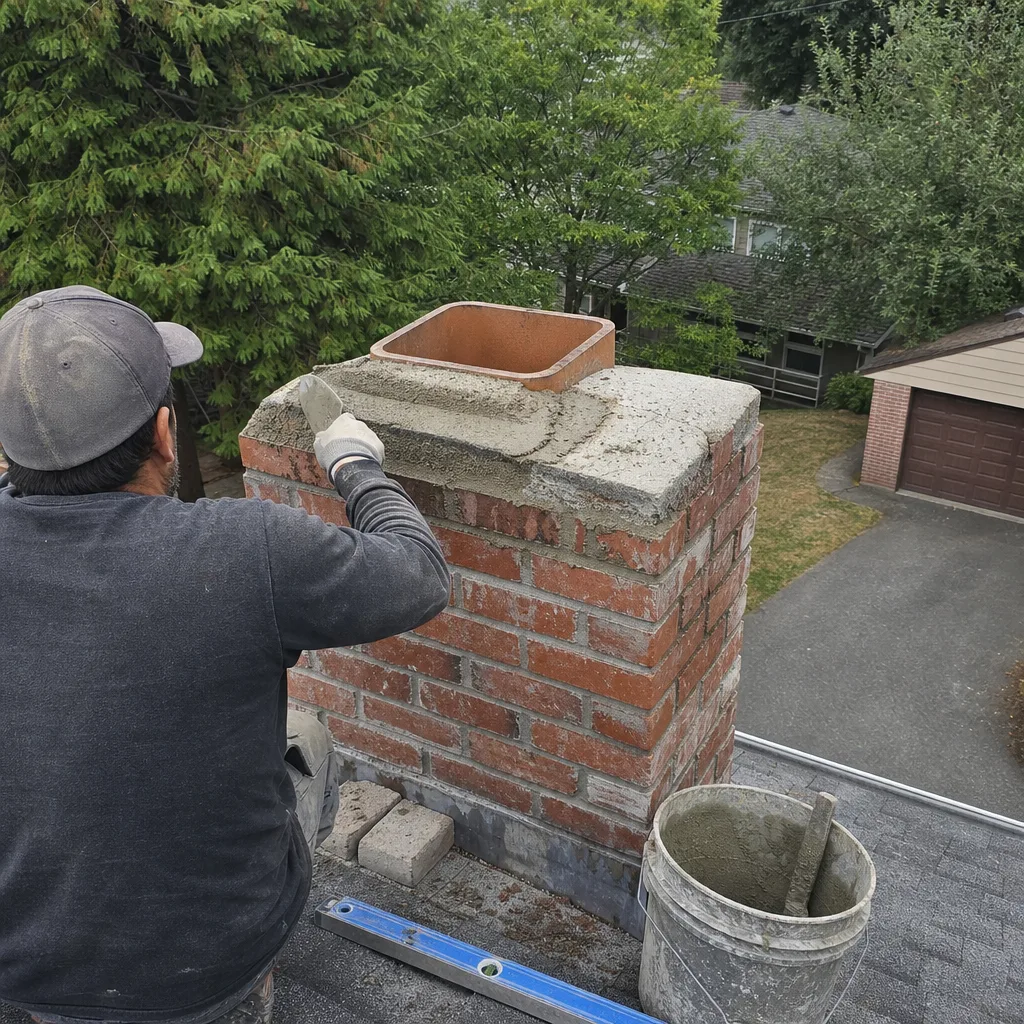
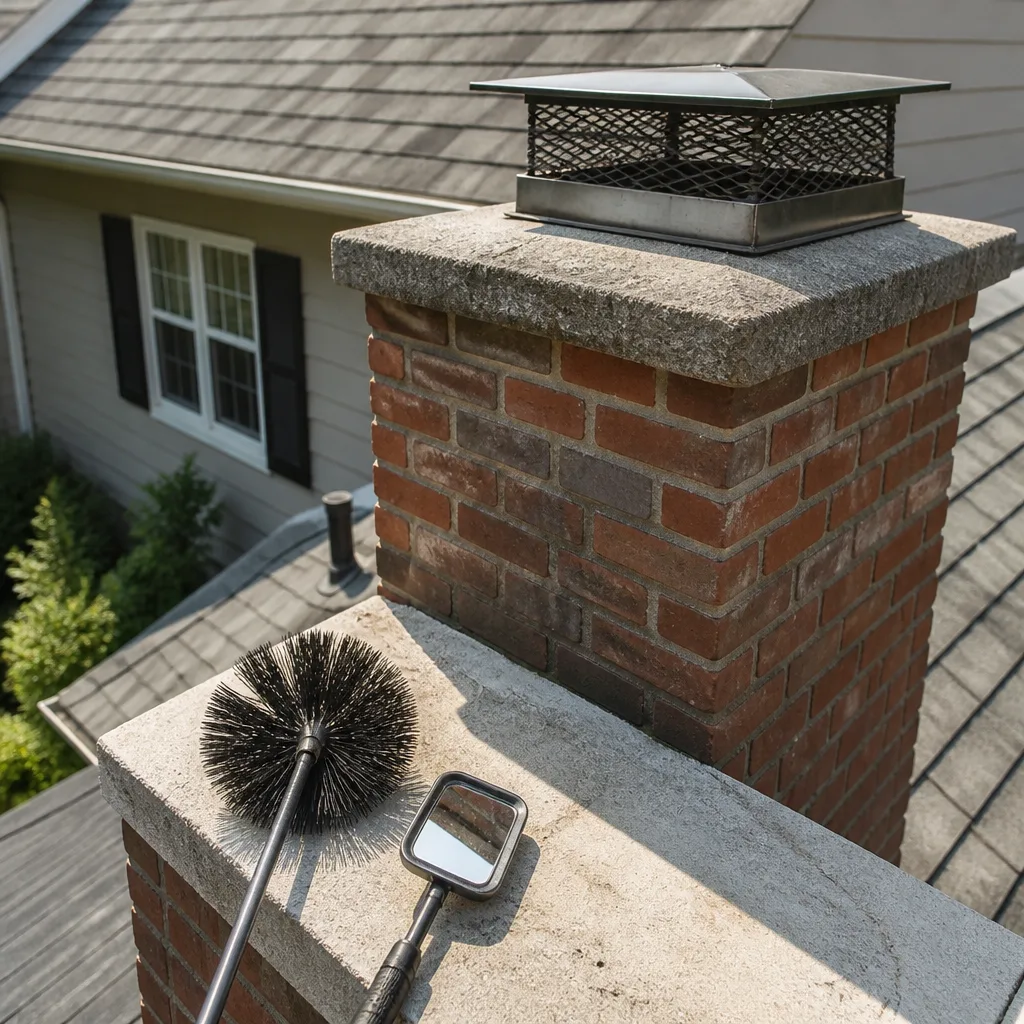 Sweep & inspection
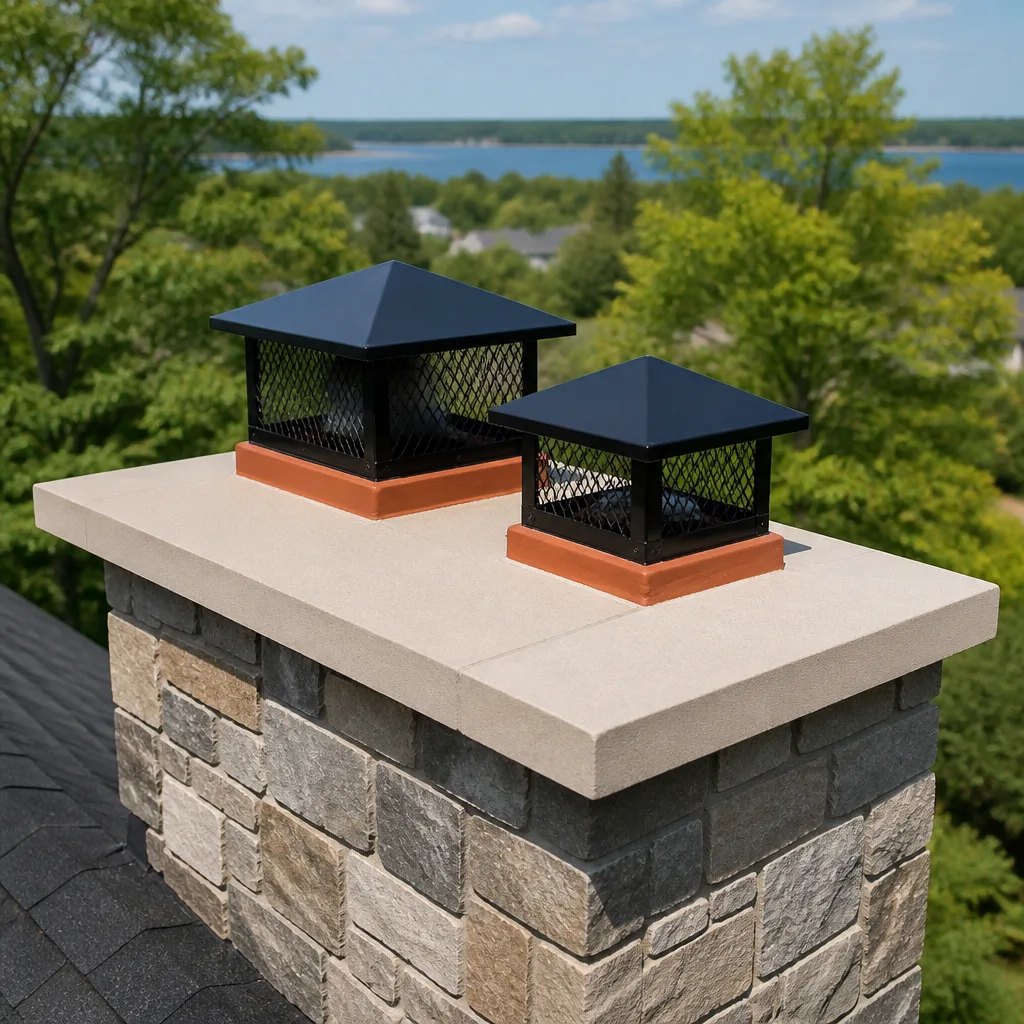 Caps & crowns
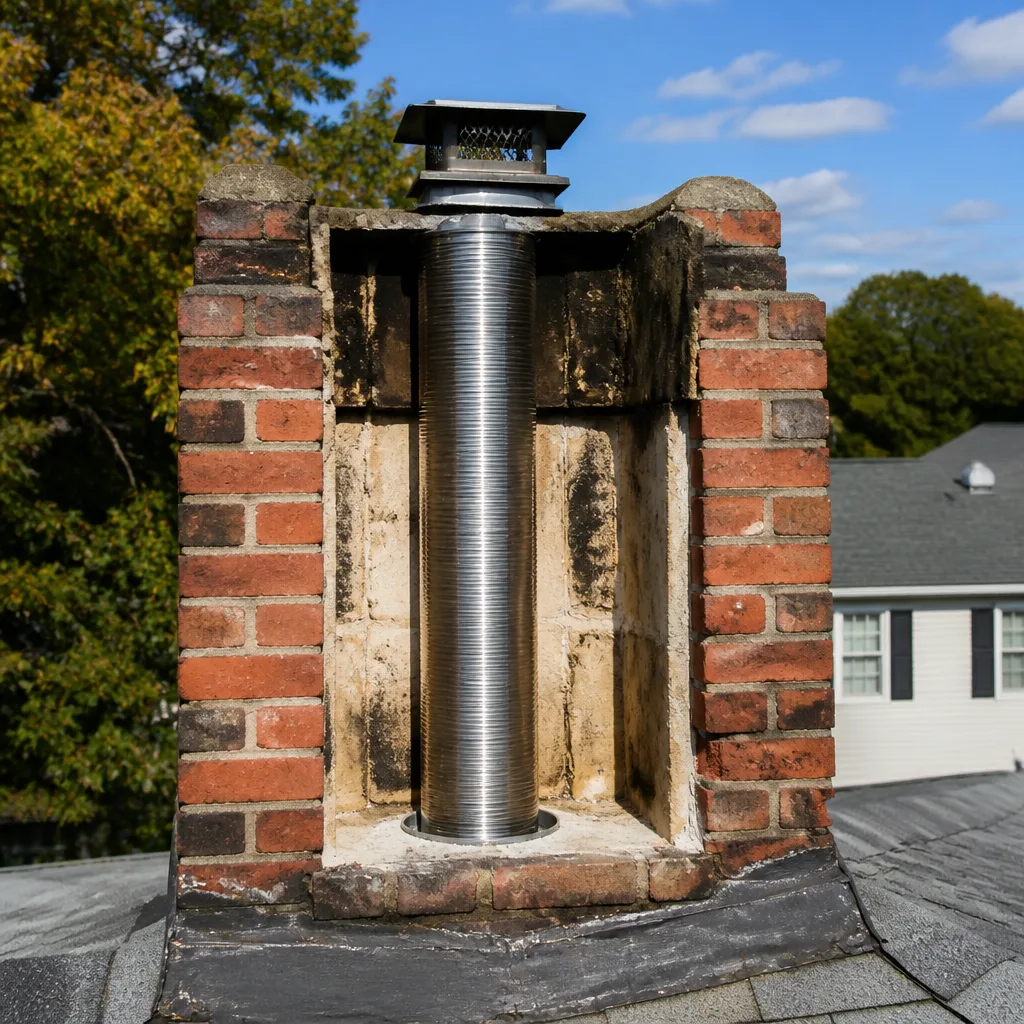 Flue relining
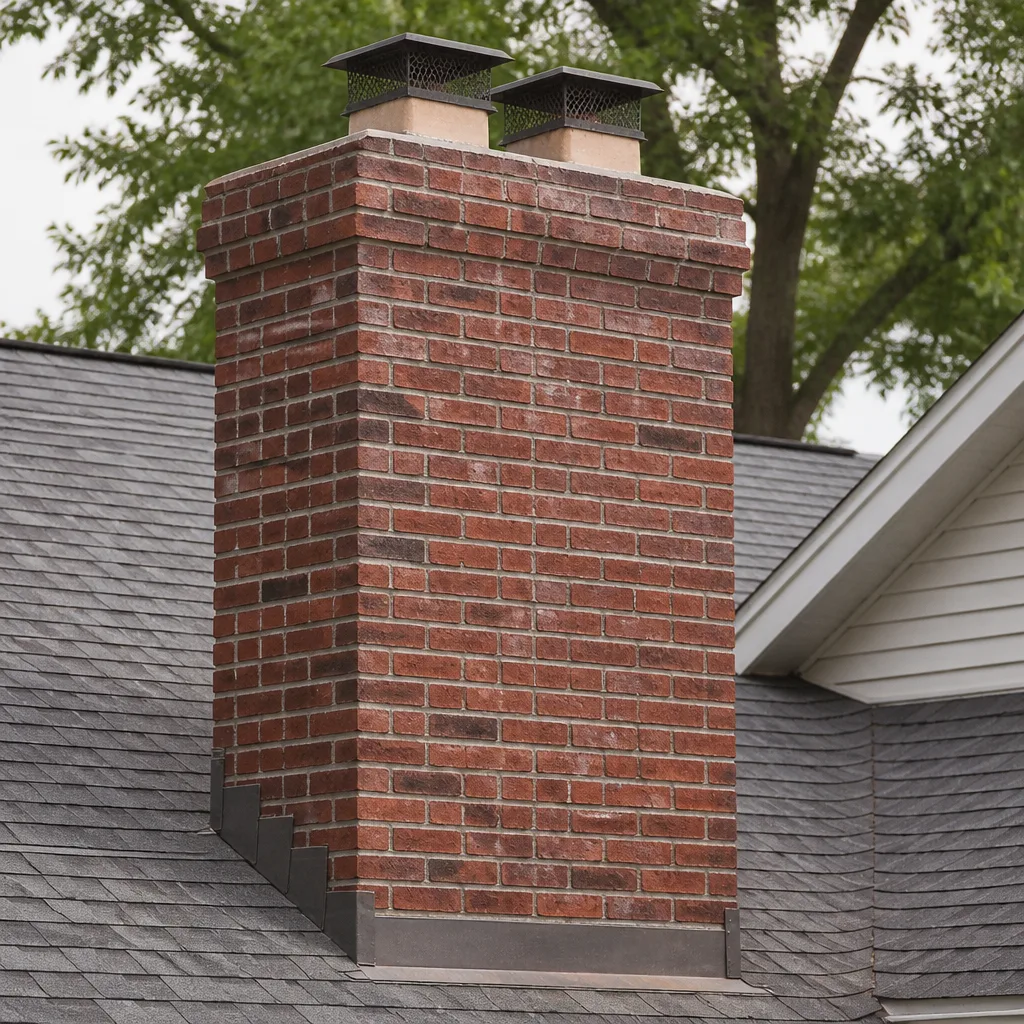 Masonry repair
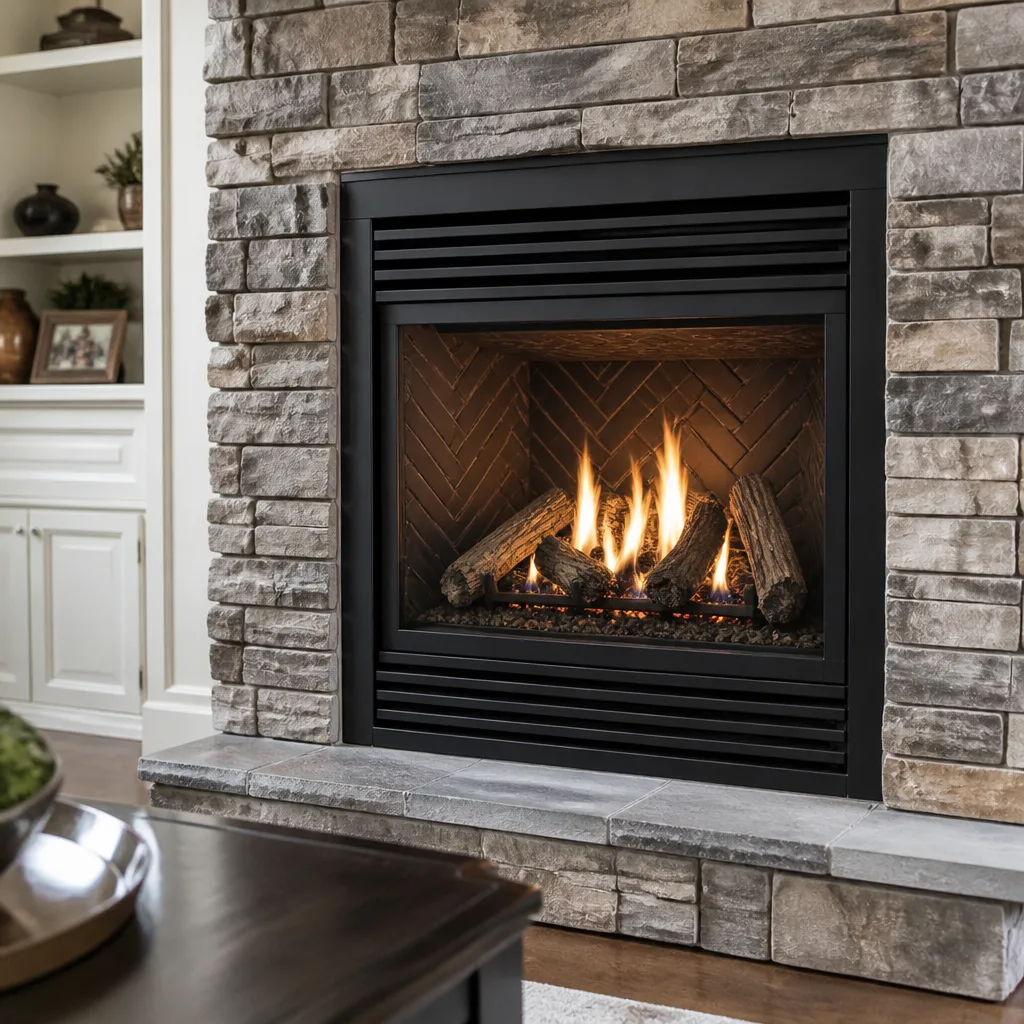 Gas fireplace service
Level 1 sweep and inspection to the NFPA 211 annual standard - flue, crown, cap, and flashing checked and photographed
Chimney sweep logs do not sweep chimneys. They loosen some creosote - which then falls where a brush and vacuum still have to collect it.
Chimney Cleaning Warning Signs: A Renton Homeowner’s Reference Guide
A smoky smell in your living room on a windy day isn’t a draft quirk. It’s often the first detectable sign of a negative pressure problem or a deteriorating smoke chamber, and it gets worse with every fire you light. Most chimney problems announce themselves early, from inside the house or from the driveway, long before anything dramatic happens. The trouble is that homeowners explain these signs away: the smell is “just the weather,” the white crust on the brick is “just old,” the fireplace has always been a little fussy. This guide names each warning sign, explains the specific failure it points to, and tells you plainly whether it means schedule a sweep soon or don’t light a fire tonight. We’ll walk through Renton homes specifically, because the climate and housing stock here shape which problems show up most.
Quick Answer
Chimney warning signs fall into three groups: smells (acrid, musty, or oily odors that point to creosote stage or moisture), interior visuals (spalling firebrick, white efflorescence, rust in the firebox), and exterior visuals (crumbly mortar, a tilted cap, staining on the chase). Signs that mean “stop using the fireplace tonight” include a strong acrid smell with a blocked draft, visible rust or water streaks inside the firebox, spalling brick, and smoke rolling back into the room. Everything else usually means schedule a sweep and inspection before the next fire, not this minute. Our technicians have up to 15 years of experience reading these signs on Renton chimneys, and the pattern is consistent.
Styles & brands we work with
- Sweep & inspection
- Caps & crowns
- Flue relining
- Masonry repair
- Gas fireplace service
Table of Contents
- The Smell Index: What Each Odor Tells You
- Interior Warning Signs in the Firebox
- Exterior Warning Signs You Can Spot From the Ground
- Which Signs Mean “Tonight” vs. “Schedule Soon”
- Why Gas Fireplace Chimney Signs Are Overlooked
- How Renton’s Wet Season Accelerates Chimney Problems
- What Happens During a Sweep and Inspection
- Common Mistakes to Avoid
The Smell Index: What Each Odor Tells You
Smell is the most reliable early warning system a chimney has, and the least understood. Every odor corresponds to a stage of creosote buildup, a moisture problem, or an animal intrusion, and each one means something different for how soon you need a chimney sweep.
Acrid, sharp, or tar-like smell
This is advanced creosote, usually stage three, which is a glazed, hardened deposit that’s far more combustible than the fluffy soot that builds up first. An acrid smell on a still day or when you open the firebox door means the deposits have reached a consistency that a standard sweep may not fully remove. It’s the odor most associated with chimney fire risk, and it means stop burning until an inspection confirms the flue is clear. In Renton, where wood stoves and inserts are common in older neighborhoods like Kennydale and Highlands, this odor turns up most often in homes that burn through the wet season without a mid-season sweep.
Musty or damp smell
Musty odors point to moisture, and moisture in a chimney almost always comes from a failed cap, cracked crown, or missing rain cover. Once water gets in, it combines with soot to form an acidic sludge that eats into mortar and firebrick. A musty smell after a stretch of rain is one of the most common reasons we’re called to look at a chimney that was fine last spring.
Oily, chemical, or strange sweet smell
An oily smell with no fire burning often means an animal got in: a bird, squirrel, or raccoon that found its way past a damaged cap. The smell of an animal nest decomposing in a flue is unpleasant and, more importantly, a blockage. It can also be a sign that a gas appliance is venting improperly, so a strange smell with a gas insert should be treated as urgent until you know otherwise.
Interior Warning Signs in the Firebox
Open the firebox door and look at the brick, the mortar joints, and the metal box itself. Each material fails in a way that tells you something specific.
- Spalling firebrick. Firebrick that flakes, crumbles, or peels in layers is spalling, and it means the brick has absorbed moisture and been through repeated freeze-thaw cycles, or has been overheated. Spalling brick loses its ability to insulate the firebox, which lets heat reach the chimney structure behind it. This is a structural concern, not a cosmetic one, and it typically means the chimney needs repair before heavy use.
- White efflorescence. That powdery white staining on brick or mortar is salt pushed to the surface by water moving through the masonry. It’s a moisture indicator. Efflorescence by itself isn’t dangerous, but it’s telling you water is getting in somewhere, and the source needs to be found before it dissolves mortar joints.
- Rust on the firebox or damper. Rust means water has been sitting inside the chimney, usually from a leak above. Rust on a damper can also mean the damper is seized and won’t open fully, which restricts draft and forces smoke into the room.
- Smoke stains above the firebox opening. Staining on the face of the fireplace or the wall above it means smoke is escaping the firebox instead of going up the flue. Common causes are a smoke chamber that’s deteriorated or never properly shaped, or a flue that’s too small for the firebox opening.
- Cracked or missing mortar joints. Look at the joints between the firebrick. If you can pick mortar out with a screwdriver, it’s failed. Like spalling brick, this lets heat and moisture penetrate deeper into the structure.
Any of these interior signs is a cue to book a chimney repair evaluation before the next fire. Not every one of them turns out to be a big job, but each one has to be looked at to know.
Exterior Warning Signs You Can Spot From the Ground
You don’t need to climb anything to see most exterior chimney problems. A slow walk around the house with a pair of binoculars or a phone camera with zoom is enough to catch the big ones. Here’s what to look for, in the order we recommend checking them:
- The cap. Look at the top of the chimney. Is there a cap, and is it intact? A missing, rusted-out, or bent cap is one of the most common exterior warning signs we see on Renton homes. It lets rain in and animals down, and both cause the interior problems described above. Caps from Gelco and Olympia Chimney are built to handle the amount of rain the Pacific Northwest throws at them; a bare flue opening isn’t.
- The crown. The crown is the concrete slab at the very top of the chimney that sheds water away from the masonry. Look for cracks, a crown that’s separating from the flue, or a crown that’s clearly sloped toward the chimney instead of away from it. A failed crown is the number one entry point for water in this climate.
- Mortar joints. On brick chimneys, look at the joints from a distance. If they look recessed, crumbly, or uneven, the mortar is failing. That’s normal wear over time, but it has to be addressed before water gets behind the brick.
- Staining or streaks. Dark vertical streaks on the exterior of the chase usually mean water is running down the outside of the flue inside the chimney. White or grayish staining is efflorescence and points to the same issue, seen from outside instead of inside.
- Tilt or lean. If the chimney is visibly leaning, stop using the fireplace and call us. A leaning chimney means the foundation or the masonry is failing in a way that needs a structural look, not just a sweep.
- Vegetation. Ivy or moss growing on the chimney is a warning sign because it holds moisture against the masonry and hides cracks. If you see a lot of it, look closely for what it’s covering.
None of these exterior signs usually requires you to stop burning immediately, with the exception of a lean or a visible hole in the chase. The rest mean schedule an inspection before the next season, which in Renton usually means before September, not in January when everything’s already wet.
Which Signs Mean “Tonight” vs. “Schedule Soon”
The difference between shutting the fireplace down tonight and scheduling a sweep next month comes down to whether a sign indicates immediate danger or gradual deterioration. In our experience on Renton chimneys, the split is fairly clear.
Don’t use the fireplace tonight
- Smoke rolling back into the room when you light a fire. This is a draft failure and can indicate a blockage or a structural problem.
- A strong acrid smell when the firebox is closed and no fire is burning. That’s likely stage-three creosote, which is highly combustible.
- Any sign that an animal is in the flue. A blockage forces smoke and carbon monoxide into the house.
- Rust, water streaks, or visible water inside the firebox, especially after a big rain. Burning with water in the chimney makes things worse and creates steam that drives smoke inside.
- Spalling firebrick or a visible crack in the firebox that goes deeper than the surface.
- A strange smell near a gas fireplace or gas insert, or any smell of gas at all. Turn it off and call.
Schedule a sweep and inspection soon
- Efflorescence or mild exterior staining. Water is getting in; find out where.
- A missing or damaged cap. Easy fix, but do it before the wet season.
- Crumbling mortar joints on the chase. Needs repointing before water gets in.
- A musty smell that only shows up after rain. Moisture problem, not an emergency.
- Soot visible on the damper or above the firebox. A sweep will tell you how much buildup there is.
If you’re not sure which category a sign falls in, call us and we’ll talk it through. We answer 24/7, and a call outside dispatch hours is booked into the next opening, Sunday through Friday, 7am to 7pm. If a problem is safe to wait on, we’ll tell you that too.
Why Gas Fireplace Chimney Signs Are Overlooked
Gas fireplaces don’t produce creosote, don’t put soot everywhere, and don’t smell like wood smoke, so the warning signs that homeowners learn to watch for in a wood fireplace simply don’t apply. That’s exactly why gas chimney problems get missed.
A gas fireplace vents combustion byproducts, including carbon monoxide and water vapor, either through a dedicated chimney, a B-vent, or a direct-vent system. When those vents develop problems, they show up differently. Watch for:
- A condensation or fogging on the glass or nearby surfaces. Gas combustion puts a lot of water vapor into the vent, and if the vent isn’t drafting properly, that moisture comes back into the room.
- Efflorescence or staining on the exterior of the chimney or the wall behind the unit. Water vapor is escaping into the structure instead of up the flue.
- Rust on the vent pipe or termination. Rust on a B-vent is a sign of moisture in the vent, and it needs to be inspected. B-vent pipe has a certain failure mode where the inner liner rusts through, so the pipe still looks fine from outside while it’s venting into the house.
- A yellow or lazy flame instead of a clean blue flame. This can indicate incomplete combustion, which means carbon monoxide risk. Turn the unit off and call.
- A stuffy or “off” smell when the fireplace is running. This can indicate backdrafting.
Gas appliances are worth a dedicated look precisely because they’re quiet. A gas insert that hasn’t been looked at since it was installed can have a rusting vent pipe, a failing termination cap, or a blocked air intake, and none of those come with a smoky smell or a visible soot buildup to warn you. If your home in Renton has a gas fireplace, put it on a check-in schedule just like a wood one. When we’re called out, we look at the vent with the same care as a wood flue, and when repairs call for a vent cap or a termination, we use caps from Gelco or Olympia Chimney.
How Renton’s Wet Season Accelerates Chimney Problems
Chimneys in western Washington take a specific kind of beating. The wet season runs from roughly October through April, and it’s not just the rain itself but the constant wet-dry cycle. Masonry is porous. It absorbs water during the rainy months and then dries out slowly in the summer, and every cycle of that pushes a little more moisture through mortar joints and brick.
What that means in Renton specifically:
- A cracked or missing cap is a much bigger deal here than in a dry climate. A cap that’s been off for one season on a Renton chimney can let in enough water to loosen mortar.
- The chimney on the windward side of the house takes more rain, and that’s usually the one whose crown fails first. When we look at chimneys around the Renton area, we see crowns failing on the rainy side more often.
- Homes in older parts of Renton, especially around Kennydale and the Highlands, often have unlined or clay-tile-lined chimneys that are now more than half a century old. Clay tile liners crack from the freeze-thaw cycle and from heat shock, and once cracked they let moisture and heat through to the surrounding masonry.
- The summer drying season is shorter than most homeowners realize, so a chimney that’s going to be repaired should often be looked at in spring or early summer, not October when everything is already soaked.
The condition of a chimney liner matters for this exact reason. A liner that’s failed or compromised by a crooked or offset flue can’t do its job, and no amount of sweeping fixes it. When repair is needed, we use DuraFlex flexible liner systems, because they can fit inside older, offset, or non-standard flues that a rigid liner can’t. For chimneys where the liner itself is sound but the smoke chamber is not, HeatShield resurfacing lets us repair the chamber from the inside without tearing down the chimney. Those are the kinds of fixes that make sense in a climate where the chimney has to keep working through a long wet season.
What Happens During a Sweep and Inspection
A sweep and inspection is how most warning signs get confirmed. Here’s what the process looks like when we come to a Renton home.
- Walk-through and conversation. We start by asking what you’ve noticed: smells, smoke, performance, anything. Those answers tell us what to look at first. We also look at the firebox, damper, and the face of the fireplace.
- Drop cloths and setup. We respect the house. The work area is protected before any tools come out, and we keep soot and dust contained to the fireplace area.
- The sweep itself. We clean the flue from the top when it’s safe to do so, or from below with the right brushes, depending on the flue’s geometry. Creosote stage matters here. Stage one and two come off with standard brushing; stage three is glazed and often needs chemical treatment first.
- Camera inspection. We run a camera down the flue to see what’s actually inside. This is where most warning signs get their real diagnosis: cracks in clay tile, gaps in mortar joints, an animal nest, a damaged crown, a rusted-through B-vent. The camera footage is the evidence; if we recommend work, it’s because we’ve seen the problem on the camera, not because we guessed.
- Photo report. We give you photos and a plain-language report showing what we found, what it means, and what needs to be done. If everything is fine, that’s the report too. If you want to compare a photo of your own chimney against the photo evidencing a repair, you can.
- Flat price on any repair. If repair is needed, we give you a flat price in writing before any work starts. No surprise line items.
Our technicians have up to 15 years of experience with all of this, and the process is the same whether you’re in Renton proper or on the edge of the Highlands. If you’re not sure whether your home needs a Chimney Sweep Renton visit, the answer is almost always yes if it’s been more than a year. If you want an inspection without a sweep, we do that too.
Common Mistakes to Avoid
- Burning wet or unseasoned wood. Wet wood produces more creosote and less heat, and in Renton’s damp climate, firewood stacked outside without a cover takes on water faster than you’d think. Wood kept on a covered rack or under a tarp for at least six months burns cleaner and produces less creosote.
- Assuming “we don’t use it much” means it doesn’t need a sweep. Even a few fires a year leave soot, and unused chimneys are still vulnerable to moisture, animal intrusion, and crown failure. The smell of a chimney that gets used once a season can be the same as one that gets used weekly.
- Waiting for a smell or a smoke problem before calling. The warning signs in this guide are early warnings precisely because the damage is usually small when they first show up. Waiting until the smoke situation is obvious means waiting until the repair is bigger.
- Ignoring a missing or damaged cap through the rainy season. A cap is a cheap fix compared to the moisture damage it prevents. In a Renton wet season, a missing cap can let in enough water to loosen mortar and start spalling firebrick by spring.
- Calling a general handyman for chimney work. A general handyman can install a cap and can sweep a flue. They usually can’t read a camera inspection to decide if a liner is failing, and they don’t carry the specialist tools (like HeatShield resurfacing) that some chimney repairs need. Chimney-specific work is its own trade.
- Treating a gas fireplace as maintenance-free. A gas insert still has a vent that can rust, a termination that can fail, and a combustion process that can produce carbon monoxide. It needs a check-in schedule, and signs of trouble can be as subtle as a stuffy smell or condensation on the glass.
- Burning with a known sign of danger. If the firebox has spalling brick, visible rust, or a smell of acrid creosote, don’t light a fire to “see if it clears up.” Stop using the fireplace until an inspection says it’s safe.
See the difference
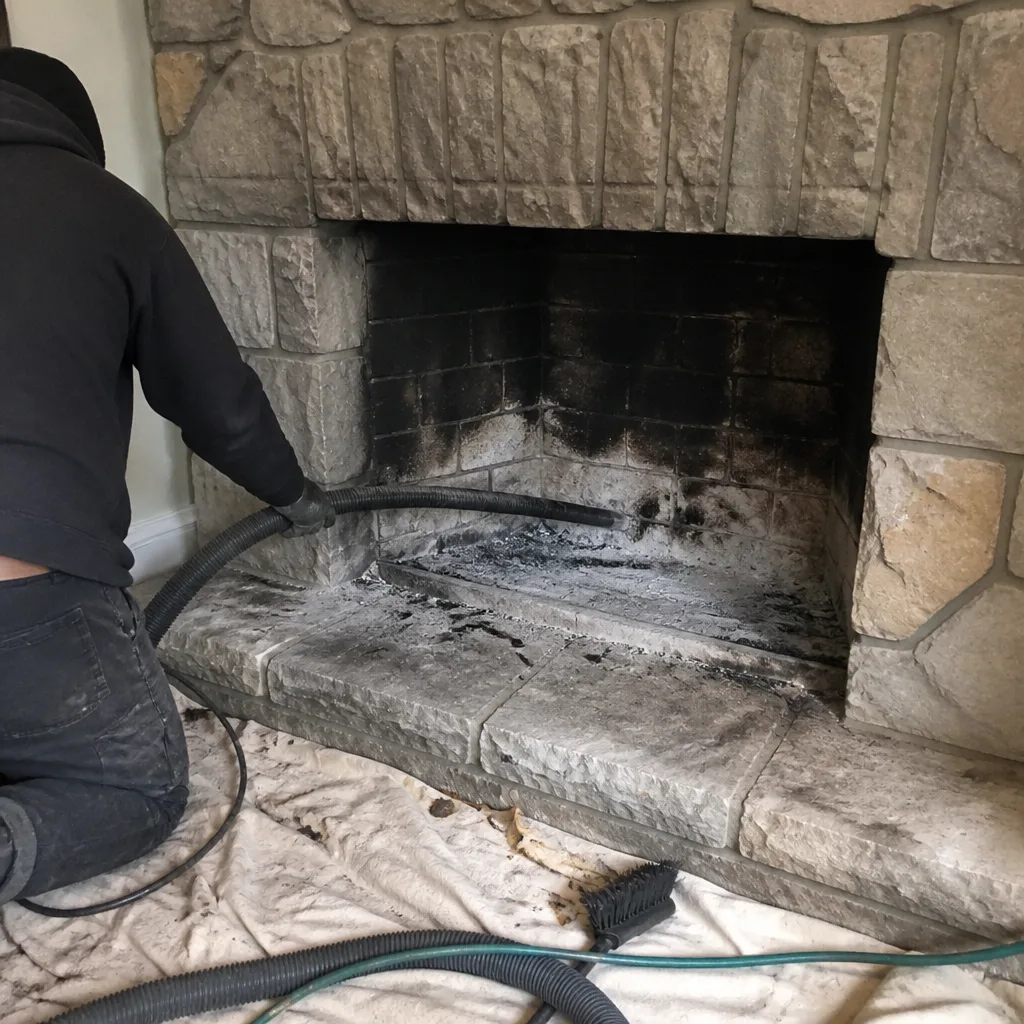 Before
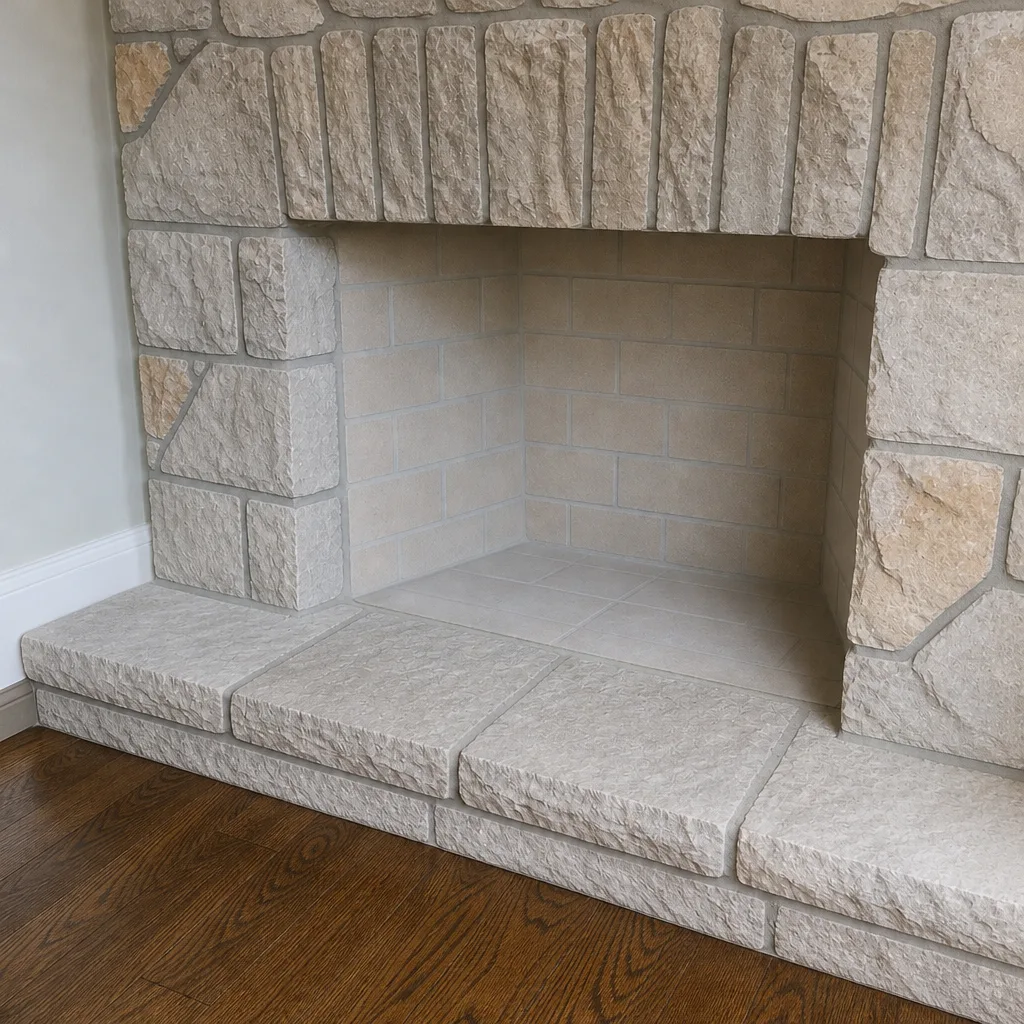 After
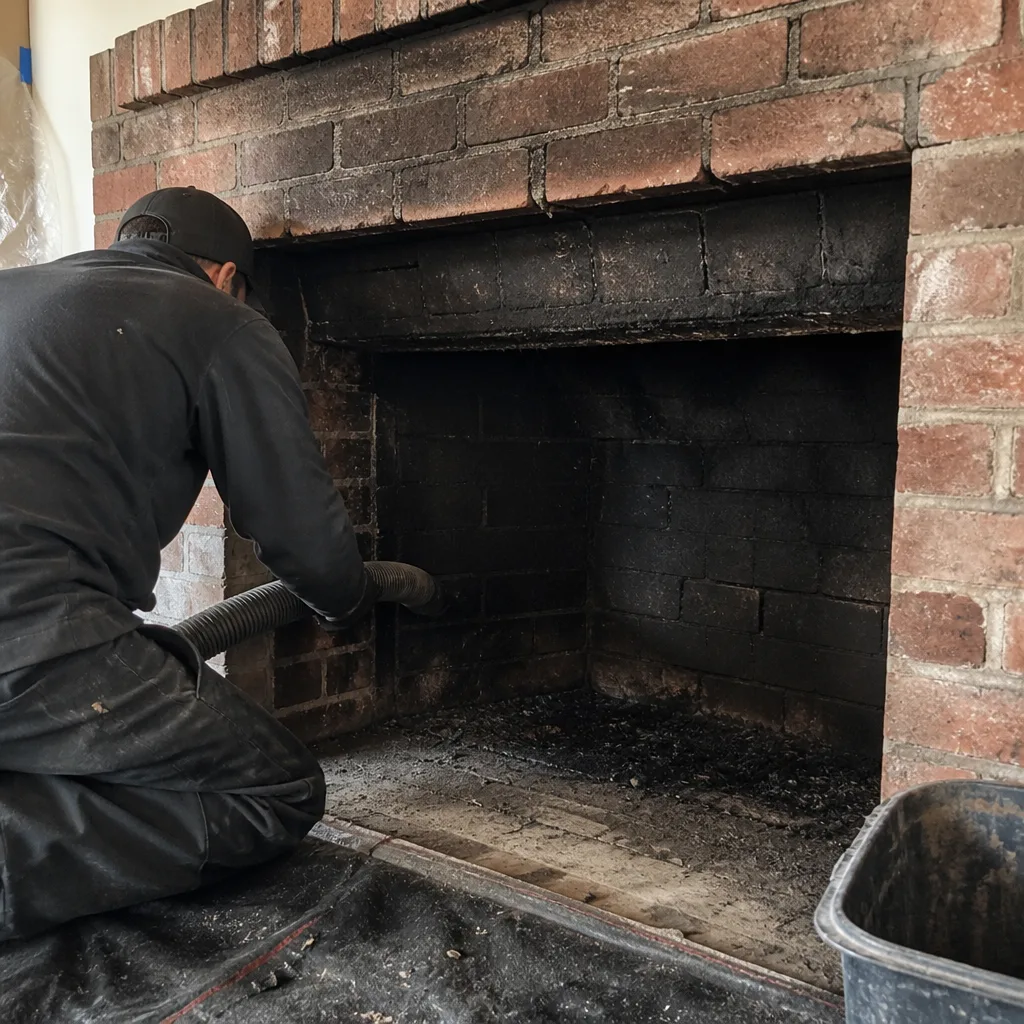 Before
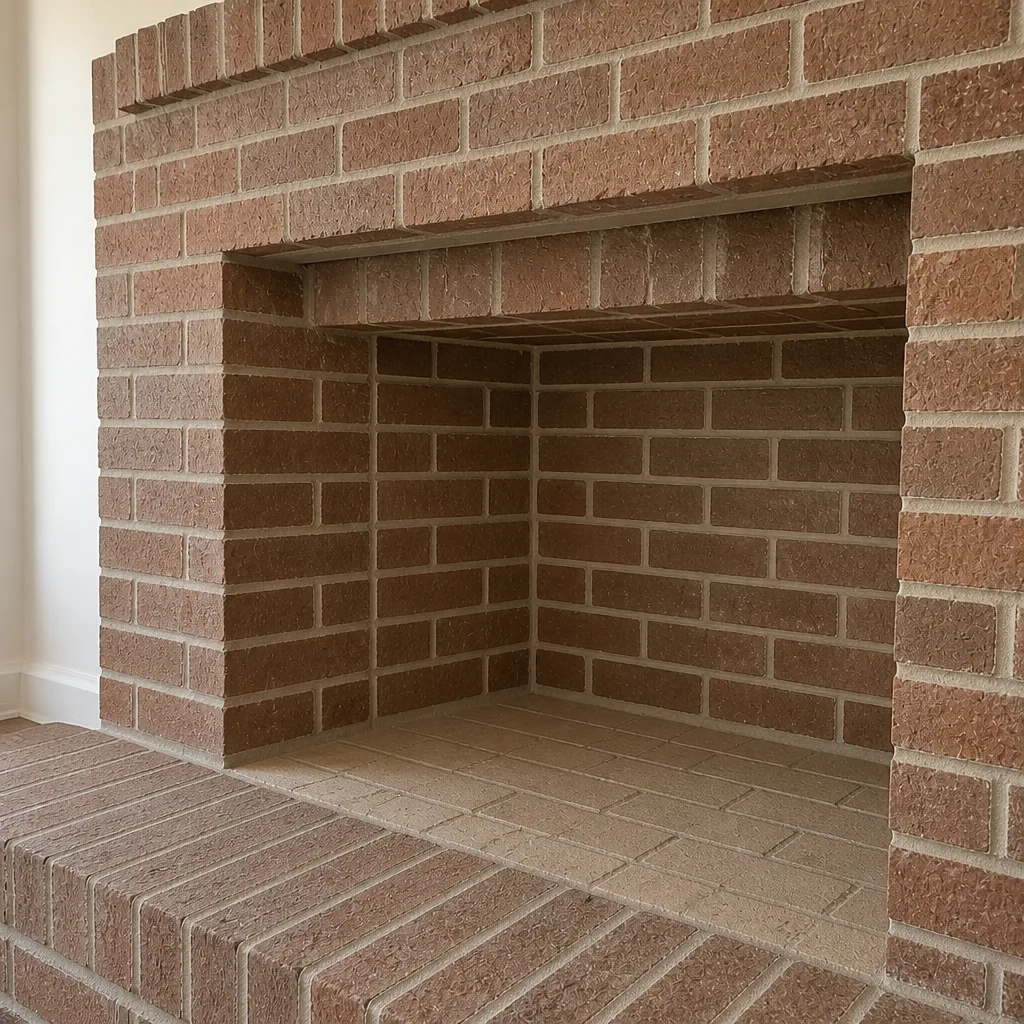 After
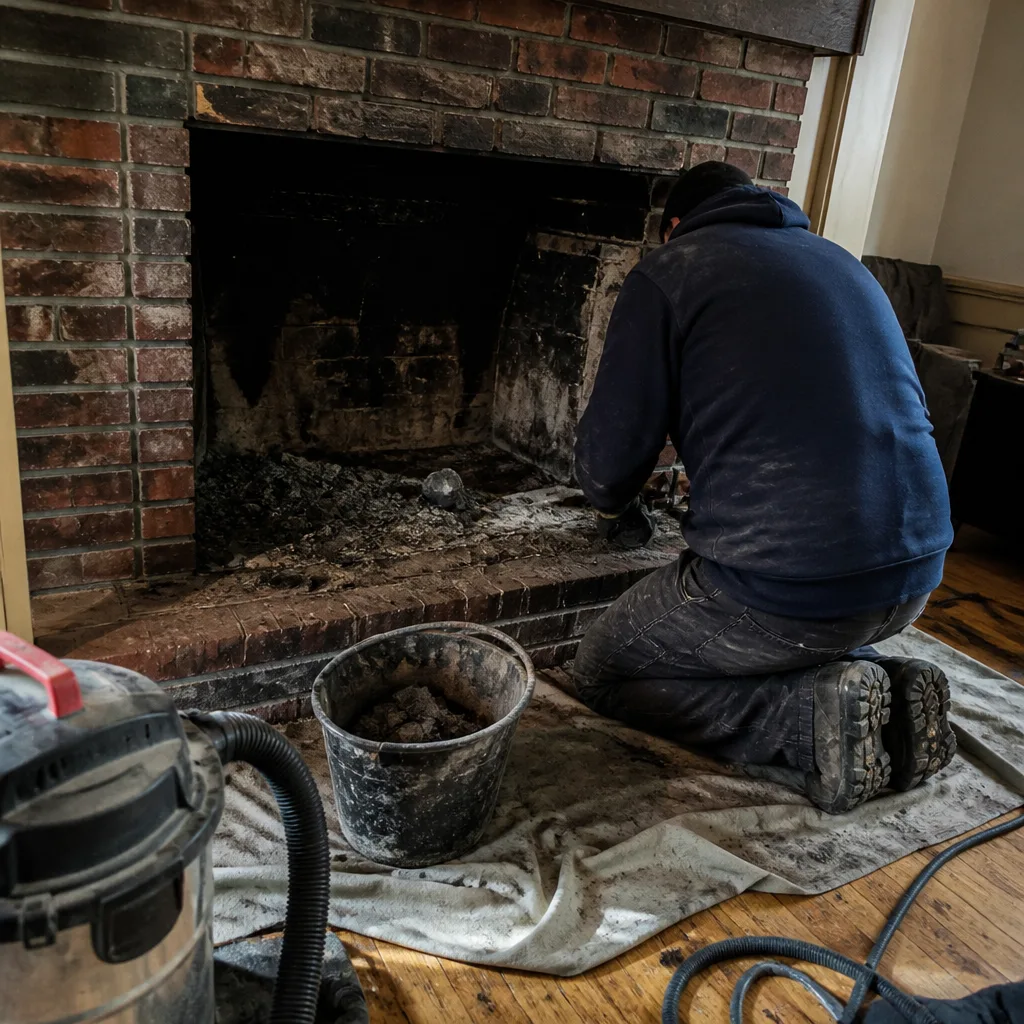 Before
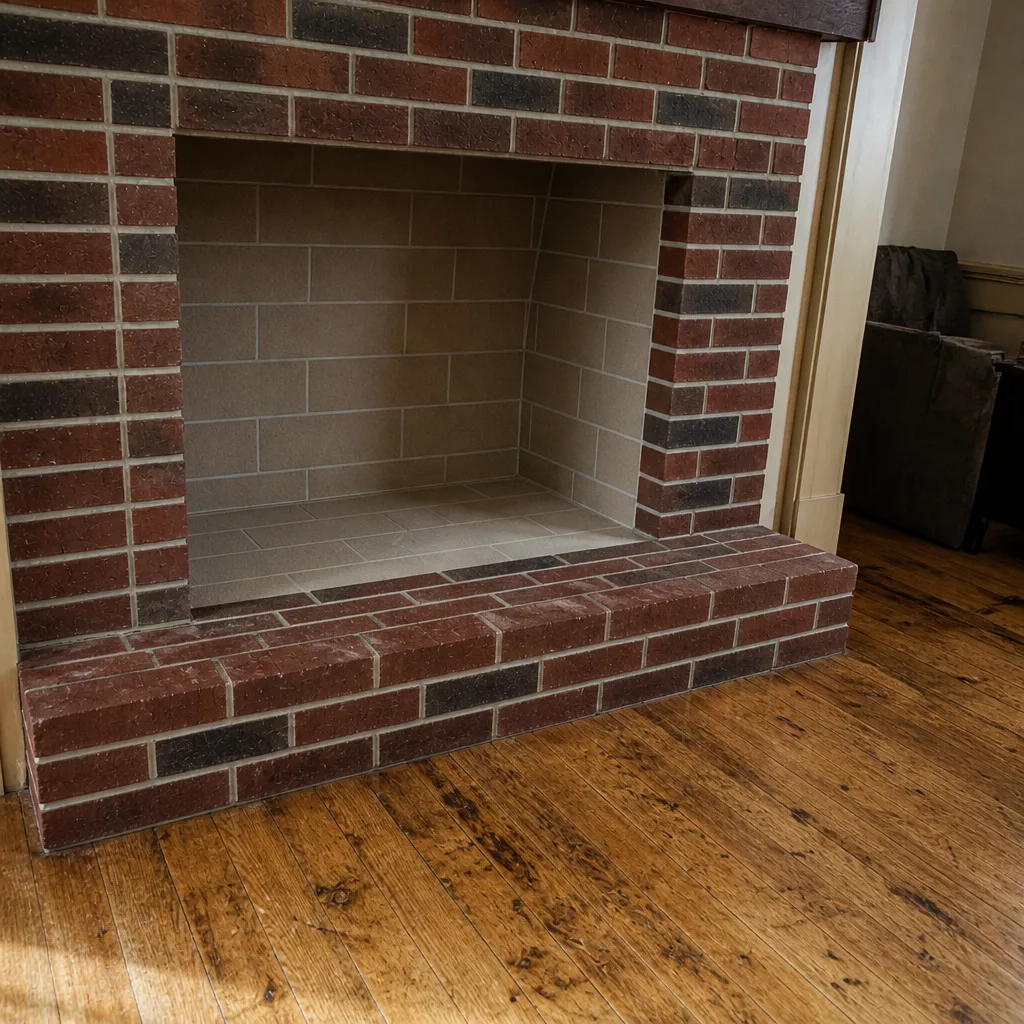 After
When to Call a Professional
Call a professional when any of these warning signs shows up: a smoky smell in the house, smoke rolling back into the room, a strong acrid smell when no fire is burning, spalling firebrick, rust or water in the firebox, a missing or damaged chimney cap, crumbling mortar on the chase, a musty smell after rain, or any strange smell with a gas fireplace. Also call if it’s been more than a year since the last sweep, or if you’ve just moved into a home and don’t know the chimney’s history. If you’re not sure a sign is serious, call anyway and we’ll help you sort it out.
Chimney Sweep Renton offers free estimates in Renton: call (833) 754-5974. We answer 24/7, and fast dispatch from 7am to 7pm, Sunday through Friday. We’re closed Saturday. Every estimate comes with a camera inspection and photo report at no additional cost, so you can see exactly what we see.
Frequently Asked Questions
Once a year for most homes, or more often if you burn frequently, burn a lot of wet wood, or notice any of the warning signs in this guide. An annual inspection catches the small problems before they turn into chimney repairs. If you haven’t had a sweep since buying your home in Renton, it’s worth scheduling one. Call (833) 754-5974 for a free estimate.
Creosote builds up in layers and reaches a stage where it’s combustible, which is a chimney fire risk, and moisture damage advances on the crown, cap, and masonry in the meantime. The cost of a neglected chimney often shows up as a larger repair rather than a sweep. There’s also the blockage risk: an animal nest or fallen tile can force smoke and carbon monoxide back into the room. If it’s been a while, call us and schedule a sweep before the next fire.
The typical range for a standard sweep in the Renton market is $180 to $350 depending on the flue configuration and how much buildup is present. An inspection with a camera and photo report is often bundled into the same visit, and any repair is priced separately as a flat quote in writing. The written estimate is the final price. Call (833) 754-5974 for an exact quote; estimates are free.
Not always. A liner needs replacing when a camera inspection shows it’s cracked, rusted through, or missing. A clay tile liner that’s partially damaged can sometimes be restored with HeatShield resurfacing, which is a specialized repair rather than a replacement. If the flue is offset or irregular, DuraFlex flexible liner systems can fit where rigid liners can’t. The decision should follow the camera evidence, and we’re happy to show you the footage. Call (833) 754-5974 and we’ll walk you through it.
Not always, but it’s worth checking. A smoky smell on a windy day can be as simple as negative pressure in the house pulling smoke down, which is common in tighter homes. It can also mean a deteriorating smoke chamber or a partially blocked flue. The only way to know is to look at the flue with a camera. Call (833) 754-5974 for a free estimate on an inspection.
Turn it off and call us. A stuffy or “off” smell with a gas fireplace can mean the vent isn’t drafting properly, which is a carbon monoxide concern. The same goes for a yellow flame instead of a blue one. Gas units are quiet and often overlooked, but a rusted B-vent or a failed termination can still let exhaust into the house. Call (833) 754-5974 and we’ll schedule an inspection.
The Bottom Line
Chimney warning signs are mostly visible or smellable from inside the house, and the earlier you catch them, the smaller the repair. The smells matter: acrid means creosote, musty means moisture, oily means an animal. The firebox matters: spalling brick, efflorescence, and rust each point to a specific problem. The exterior matters: a missing cap in Renton’s wet season is a bigger deal than it sounds. Gas fireplaces are the quiet risk most homeowners miss. And when a sign says “don’t light a fire tonight,” take it seriously.
The most useful step is a sweep and inspection with a camera and photo report, so you can see the evidence for yourself and decide what to do. Chimney Sweep Renton is here for it: sweep, repair, and inspection, all handled by the same chimney-focused team. Call (833) 754-5974 for a free estimate. We answer 24/7, and fast dispatch from 7am to 7pm, Sunday through Friday. We’re closed Saturday.
Written by the team at Chimney Sweep Renton.